





























































































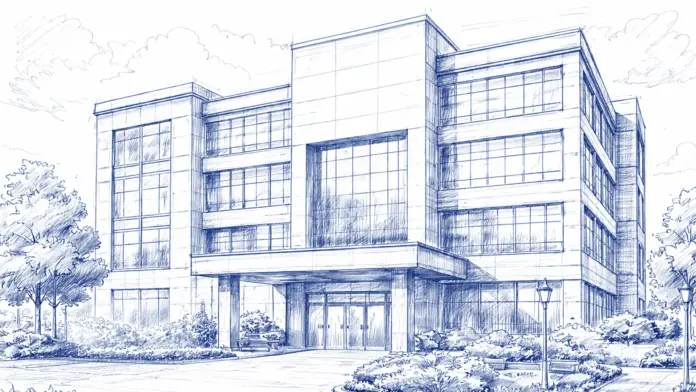
About Ascend Recovery Center NM
Ascend Recovery Center of Albuquerque, New Mexico, provides a full continuum of dual diagnosis care to individuals with mental health and substance use disorders. Joint Commission accredited and LegitScript certified, they have staff on hand to assist with verifying insurance benefits. Telehealth visits are available when you are unable to attend sessions in person, including counseling, support groups and educational workshops.
Evidence Based and Holistic Services
Services are trauma informed with an emphasis on personalization, beginning with a confidential consultation to determine the appropriate level of care. Medically supervised detox is available to assist you with navigating withdrawal symptoms safely and comfortably.
Treatment is designed to address the physical, mental, emotional and spiritual aspects of recovery, delivered through their residential, outpatient, intensive outpatient and partial hospitalization programs.
Holistic approaches like meditation and mindfulness are blended with evidence based modalities such as cognitive behavioral therapy (CBT), dialectical behavioral therapy (DBT), acceptance and commitment therapy (ACT) and 12 step facilitation. I appreciate that they also offer case management and medication management services, as well as life skills training.
Supportive Staff and Personalized Care
Former clients praise the supportive staff and personalized care received. They highlight the nutrient conscious meals, safe detox environment and success in building recovery tools. Several speak of feeling heard by their clinicians and describe transitioning out of treatment feeling prepared.
Latest Reviews



Rehab Score
 Our Methodology


Location
Accepted Insurance
Other Forms of Payment
Private insurance refers to any kind of healthcare coverage that isn't from the state or federal government. This includes individual and family plans offered by an employer or purchased from the Insurance Marketplace. Every plan will have different requirements and out of pocket costs so be sure to get the full details before you start treatment.
Medicaid is a state based program that helps lower-income individuals and families pay for healthcare. Medicaid covers addiction treatment so those enrolled can use their coverage to pay for rehab. When a program accepts Medicaid the client often pays very little or nothing out of their own pocket.
Medicare is a federal program that provides health insurance for those 65 and older. It also serves people under 65 with chronic and disabling health challenges. To use Medicare for addiction treatment you need to find a program that accepts Medicare and is in network with your plan. Out of pocket costs and preauthorization requirements vary, so always check with your provider.
Self-pay involves paying for treatment out of your own pocket. You can use savings or credit, get a personal loan, or receive help from family and friends to fund your treatment. If you don't have insurance or your insurance plan doesn't cover a specific program, self-pay can help ensure you still get the care you need.
Addiction Treatments
Levels of Care
When your body is purged of all addictive substances, the process is known as detoxification, and this is typically the first step in the addiction recovery process. A medically assisted detox is generally performed in an inpatient setting, where you are monitored by a team of medical professionals who consistently check and recheck your vital signs and provide medications if necessary to help alleviate any withdrawal symptoms. After you've safely cleared drugs and alcohol from your system, you'll likely transition to an inpatient addiction treatment program for the next phase of your recovery.
Inpatient rehabs are often clients' first stage of treatment following detox, and many, but not all, provide medically supervised detox services in the same inpatient facility. Clients in inpatient treatment receive intensive clinical support and supervision. They reside at the treatment center for the duration of the program and typically engage in multiple addiction counseling sessions and/or recovery-focused life skills courses each day. Many treatment centers also offer evidence-based complementary therapies, such as yoga and meditation.
Often known as "day treatment, a partial hospitalization program (PHP) offers short-term, intensive rehab during the day, allowing you to return home in the evening. PHP treatment is often part of a step-down service provided in the treatment of substance use disorders. PHP treatment provides structured programming that includes daily therapeutic services. Typically, PHP treatment sessions are 5 days a week for approximately 6-8 hours, offering intensive treatment during the day, allowing you to return home. The duration of PHP treatment varies based on your needs but averages 90 days.
Intensive outpatient programs (IOP) provide robust support for clients who choose to remain in their own homes or who are reintegrating into their community following inpatient care. IOP treatment generally consists of a combination of individual, group, and family counseling, recovery-focused life skills training, and evidence-based holistic therapies. Many intensive outpatient rehabs also offer medication assisted treatment (MAT) for clients in alcohol and/or opioid recovery. Clients in IOP typically receive nine to 20 hours of treatment weekly.
Clients enrolled in outpatient rehab programs may receive daily, biweekly, or weekly treatment while continuing to live at home. This enables clients to integrate their recovery care plan into their routine work and family schedule. Addiction counseling, recovery-focused life skills training, and medication assisted treatment (MAT) are the most common services offered at outpatient centers, but many also provide holistic therapies, such as meditation and massage, and ancillary services, such as career coaching.
Treatments
Ranging from mild to severe, alcohol use disorder is a condition characterized by drinking to the point of causing harm or distress. Recovery from this alcohol addiction takes time and commitment. Alcohol rehab in New Mexico can provide the resources necessary to overcome alcoholism. Through detox, psychotherapy, and social supports, participants gain the skills they need to achieve and maintain sobriety.
 Opioid Addiction
In New Mexico, specialized dual-diagnosis addiction treatment programs prioritize comprehensive care for individuals with co-occurring substance use disorders and mental health conditions. These programs offer outpatient, inpatient, and partial hospitalization options. Evidence-based therapies, like cognitive behavioral therapy and medication-assisted treatment, in combination with skills training and recovery support groups, provide a comprehensive and holistic approach to address both disorders simultaneously. By addressing co-occurring disorders simultaneously, and under the same roof, treatment outcomes are drastically improved.
Clinical Services
When you participate in cognitive behavioral therapy in New Mexico you can expect to follow a structured four step process. This involves identifying life challenges, identifying inaccurate thinking about those challenges, changing those thought patterns to healthy ones, and changing the resulting behaviors.
Weekly dialectical behavior therapy (DBT) sessions involve one on one meetings with your therapist. Each session lasts about an hour. You'll work on identifying and accepting your emotions while also learning how to manage them. Additionally, weekly 90 minute group DBT sessions give you the opportunity to develop and practice coping skills.
Accreditations

The Joint Commission, formerly known as JCAHO, is a nonprofit organization that accredits rehab organizations and programs. Founded in 1951, the Joint Commision's mission is to improve the quality of patient care and demonstrating the quality of patient care.
Joint Commission Accreditation: Yes

The Substance Abuse and Mental Health Services Administration (SAMHSA) is a branch of the U.S. Department of Health and Human Services. Established in 1992 by congress, SAMHSA's mission is to reduce the impact of substance abuse and mental illness on American's communities.
SAMHSA Listed: Yes

State Licenses are permits issued by government agencies that allow rehab organizations to conduct business legally within a certain geographical area. Typically, the kind of program a rehab facility offers, along with its physical location, determines which licenses are required to operate legally.
State License: New Mexico
Rehab.com regularly reviews this listing for accuracy but changes may occur between updates. For the most up-to-date information, please contact Ascend Recovery Center NM.
Contact Information


883 Lead Ave SE, Albuquerque, NM 87102
Sponsored Helpline
