











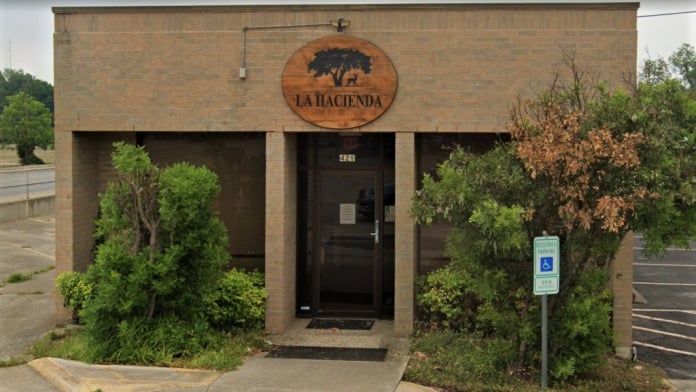
La Hacienda Treatment Center
1
Top 10 Rehab Centers In Hunt



















































































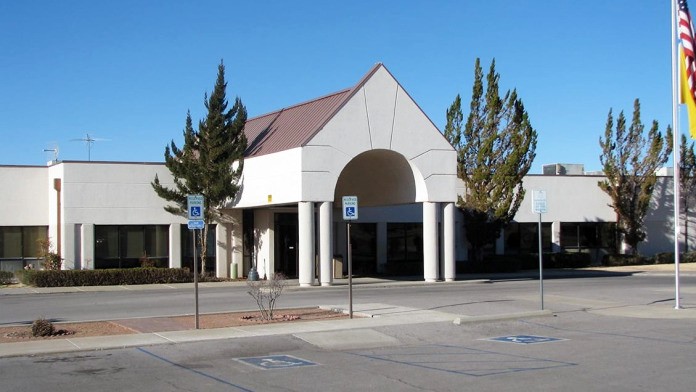
BHC Mesilla Valley Hospital is a substance use and behavioral health treatment center in Las Cruces, New Mexico offering acute inpatient and outpatient care for all ages.
This 122 bed hospital provides chemical dependency treatment and inpatient detoxification as well as psychiatric care and structured outpatient programs. Accredited by The Joint Commission the hospital is known for its compassionate multidisciplinary team and evidence based approach.
The hospital provides inpatient detoxification and rehabilitation through its Chemical Dependency program along with inpatient psychiatric care, Partial Hospitalization (PHP), and Intensive Outpatient (IOP) programs.
Treatment may include counseling and medication management, coping skills, and relapse prevention.
BHC Mesilla Valley Hospital serves adults (18 and older), seniors (55 and older), and adolescents (12-17). The team also provides specialized care for clients with co-occurring mental health and substance use disorders including depression and anxiety, bipolar disorder, and PTSD.
The hospital is located at 3751 Del Rey Boulevard in Las Cruces, New Mexico offering behavioral health services within a structured and supportive setting.
BHC Mesilla Valley Hospital accepts Medicare, Medicaid, TRICARE, and most major insurance plans. The staff will help verify coverage, work with out of network benefits when possible, and offer self pay options with payment plans.
 120
120 
 Our Methodology


Medicaid is a state based program that helps lower-income individuals and families pay for healthcare. Medicaid covers addiction treatment so those enrolled can use their coverage to pay for rehab. When a program accepts Medicaid the client often pays very little or nothing out of their own pocket.
Private insurance refers to any kind of healthcare coverage that isn't from the state or federal government. This includes individual and family plans offered by an employer or purchased from the Insurance Marketplace. Every plan will have different requirements and out of pocket costs so be sure to get the full details before you start treatment.
Self-pay involves paying for treatment out of your own pocket. You can use savings or credit, get a personal loan, or receive help from family and friends to fund your treatment. If you don't have insurance or your insurance plan doesn't cover a specific program, self-pay can help ensure you still get the care you need.
Financial aid can take many forms. Centers may have grants or scholarships available to clients who meet eligibility requirements. Programs that receive SAMHSA grants may have financial aid available for those who need treatment as well. Grants and scholarships can help you pai for treatment without having to repay.
Medicare is a federal program that provides health insurance for those 65 and older. It also serves people under 65 with chronic and disabling health challenges. To use Medicare for addiction treatment you need to find a program that accepts Medicare and is in network with your plan. Out of pocket costs and preauthorization requirements vary, so always check with your provider.
Military members, veterans, and eligible dependents have access to specific insurance programs that help them get the care they need. TRICARE and VA insurance can help you access low cost or no cost addiction and mental health treatment. Programs that accept military insurance often have targeted treatment focused on the unique challenges military members, veterans, and their families face.
Private insurance refers to any kind of healthcare coverage that isn't from the state or federal government. This includes individual and family plans offered by an employer or purchased from the Insurance Marketplace. Every plan will have different requirements and out of pocket costs so be sure to get the full details before you start treatment.
Residential treatment programs are those that offer housing and meals in addition to substance abuse treatment. Rehab facilities that offer residential treatment allow patients to focus solely on recovery, in an environment totally separate from their lives. Some rehab centers specialize in short-term residential treatment (a few days to a week or two), while others solely provide treatment on a long-term basis (several weeks to months). Some offer both, and tailor treatment to the patient's individual requirements.
Often known as "day treatment, a partial hospitalization program (PHP) offers short-term, intensive rehab during the day, allowing you to return home in the evening. PHP treatment is often part of a step-down service provided in the treatment of substance use disorders. PHP treatment provides structured programming that includes daily therapeutic services. Typically, PHP treatment sessions are 5 days a week for approximately 6-8 hours, offering intensive treatment during the day, allowing you to return home. The duration of PHP treatment varies based on your needs but averages 90 days.
When your body is purged of all addictive substances, the process is known as detoxification, and this is typically the first step in the addiction recovery process. A medically assisted detox is generally performed in an inpatient setting, where you are monitored by a team of medical professionals who consistently check and recheck your vital signs and provide medications if necessary to help alleviate any withdrawal symptoms. After you've safely cleared drugs and alcohol from your system, you'll likely transition to an inpatient addiction treatment program for the next phase of your recovery.
The goal of treatment for alcoholism is abstinence. Those with poor social support, poor motivation, or psychiatric disorders tend to relapse within a few years of treatment. For these people, success is measured by longer periods of abstinence, reduced use of alcohol, better health, and improved social functioning. Recovery and Maintenance are usually based on 12 step programs and AA meetings.
Each drug rehab in New Mexico offers unique amenities and treatment methods. Common aspects of treatment include group and individual counseling, recreational therapy, medication management, and healthy living. Aftercare is often provided to prevent relapse.
Many of those suffering from addiction also suffer from mental or emotional illnesses like schizophrenia, bipolar disorder, depression, or anxiety disorders. Rehab and other substance abuse facilities treating those with a dual diagnosis or co-occurring disorder administer psychiatric treatment to address the person's mental health issue in addition to drug and alcohol rehabilitation.
A combined mental health and substance abuse rehab has the staff and resources available to handle individuals with both mental health and substance abuse issues. It can be challenging to determine where a specific symptom stems from (a mental health issue or an issue related to substance abuse), so mental health and substance abuse professionals are helpful in detangling symptoms and keeping treatment on track.
Opioid rehabs specialize in supporting those recovering from opioid addiction. They treat those suffering from addiction to illegal opioids like heroin, as well as prescription drugs like oxycodone. These centers typically combine both physical as well as mental and emotional support to help stop addiction. Physical support often includes medical detox and subsequent medical support (including medication), and mental support includes in-depth therapy to address the underlying causes of addiction.
For residents of New Mexico struggling with drug or alcohol addiction, substance abuse treatment is available on an inpatient and outpatient basis. These programs integrate evidence-based therapies such as cognitive-behavioral therapy (CBT), dialectical behavior therapy (DBT), acceptance and commitment therapy, and mindfulness-based interventions to help you reframe unhelpful thoughts, develop more healthy coping strategies, and give you the tools to sustain your recovery.
Adult rehab programs include therapies tailored to each client's specific needs, goals, and recovery progress. They are tailored to the specific challenges adult clients may face, including family and work pressures and commitments. From inpatient and residential treatment to various levels of outpatient services, there are many options available. Some facilities also help adults work through co-occurring conditions, like anxiety, that can accompany addiction.
Teen programs are designed to address the unique pressures teens face, pressures that can drive them to experiment with dangerous, addictive substances. They need programs that meet them exactly where they are and give them tools for long-term recovery. Therapy can help teenagers understand and work through underlying issues so they can reclaim the life ahead of them.
Serving in the military is both mentally and physically challenging, and can result in trauma that persists even after combat ends. Military programs are tailored to the specific and often complex needs of active duty personnel, veterans, and military families. Clients often access these programs through the U.S. Department of Veterans Affairs (VA).
Group therapy is any therapeutic work that happens in a group (not one-on-one). There are a number of different group therapy modalities, including support groups, experiential therapy, psycho-education, and more. Group therapy involves treatment as well as processing interaction between group members.
In individual therapy, a patient meets one-on-one with a trained psychologist or counselor. Therapy is a pivotal part of effective substance abuse treatment, as it often covers root causes of addiction, including challenges faced by the patient in their social, family, and work/school life.
Research clearly demonstrates that recovery is far more successful and sustainable when loved ones like family members participate in rehab and substance abuse treatment. Genetic factors may be at play when it comes to drug and alcohol addiction, as well as mental health issues. Family dynamics often play a critical role in addiction triggers, and if properly educated, family members can be a strong source of support when it comes to rehabilitation.
Through recreational therapy, you engage in activities that support your mental and physical health, as well as promote your addiction recovery. The activities might include team sports, creative arts, or yogurt to help manage your stress, improve your mood, and build a supportive network of individuals who help you maintain your long term sobriety.
 Private Setting
 CEO
CMO
CFO
Director of Business Development
Director of Performance Improvement
Director of Utilization Review
Director of Dietary
Director of Business Office

The Joint Commission, formerly known as JCAHO, is a nonprofit organization that accredits rehab organizations and programs. Founded in 1951, the Joint Commision's mission is to improve the quality of patient care and demonstrating the quality of patient care.
Joint Commission Accreditation: Yes
Rehab.com regularly reviews this listing for accuracy but changes may occur between updates. For the most up-to-date information, please contact BHC Mesilla Valley Hospital.

3751 Del Rey Boulevard
Las Cruces, NM 88012
Sponsored Helpline

they will keep you here even if you are not on a psych hold! I dont even know how this place is legally open everything about this place is a prison and there is nothing "healing" about it they treat these people like they are insects and money bags they are only there to collect a check you'll leave more traumatized than you walked in please find a different facility, the doctors will sedate you enough to shut you up and make their jobs easier oh and guess what you cant refuse it and if you try to they will keep you there longer its truly dehumanizing feeling like you've lost all rights to yourself while trying to seek help.

About 85% of the staff are great, and there to help you. The worst part about Mesilla valley is the mattresses and pillows they give us to sleep for days on as we're withdrawing. They destroy our backs and our necks. The food situation is good though because if you don't like what the cook made you can always go to the salad bar. The south building has always been way too cold, but a tech named Matt actually spoke directly to a maintenance man and got it a little warmer in there. We all truly appreciated that more than words can say. Mesilla valley's biggest downfall is that they need better beds for people to be withdrawing in. The only other downfall I can think of is the new bedding does not allow us to wrap ourselves in a blanket to stay warm in a building that feels like the middle of winter. Though I definitely appreciated the thicker blanket. It was still so cold in there though that you had to take the whole thing off the bed and sleep under both the bed cover and the top blanket. But like I said they fixed it mostly, it's still a bit too cold sometimes, but it is no longer unbearable unbearable. I would like to give a special shout out to a the best tech ever and I happen to have known from working there 30 years ago, Jose.

It was a good experience overall and the staff were very helpful and understanding. Clean facility and friendly staff.

I attended php and iop I graduated both of the programs. The best program I've done and also the staff is very great, caring and loving they will help you in any way possible they can. Thank You Mesilla Valley Hospital for doing right by me and helping me get back on my feet and helping with my life and copying skills.
 Back
Back
Sharing your insights and experiences can help others learn more about this rehab center.