





























































































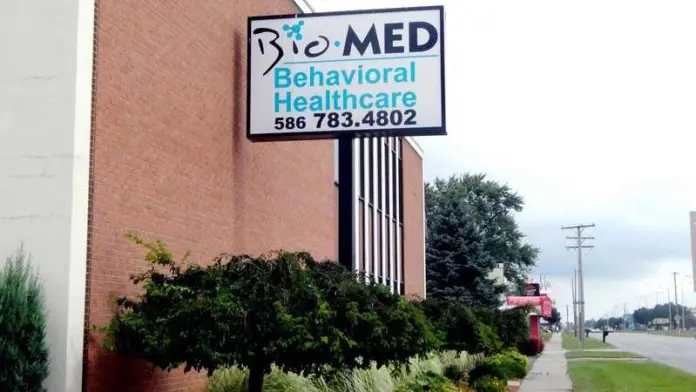
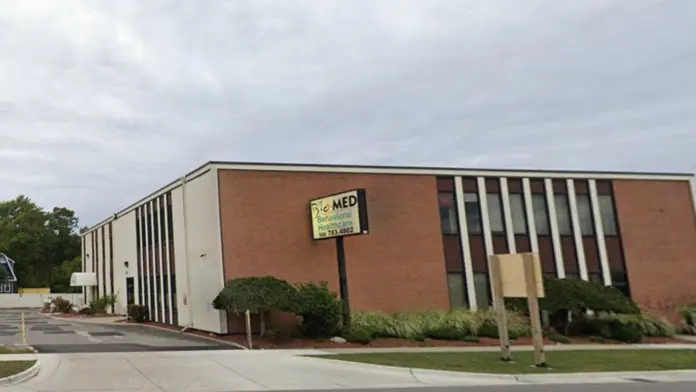
About BioMed Behavioral Healthcare
Outpatient settings are a convenient way to receive treatment for drug and alcohol addiction. Clients make regular appointments to visit the facility without having to make an inpatient stay. Services offered include individual counseling, group sessions, care management, physical assessments, and acupuncture.
MAT is the combination of specific medications and traditional counseling to treat opioid use disorder. BioMed provides same day dosing following admission into the program.
Co-occurring disorders are any mental health diagnosis, such as depression or anxiety, that exist alongside substance abuse. Co-occurring disorders carry a higher risk of relapse, but specialized treatment reduces this risk.
BioMed doesn’t list its accepted insurance plans, but many treatment programs work with private insurance, such as Magellan, ComPsych, Aetna, Anthem, and BlueCross BlueShield. Clients should confirm their coverage, as out of network benefits may vary.
Latest Reviews



Rehab Score
 Our Methodology


Gallery
Accepted Insurance
Other Forms of Payment
Private insurance refers to any kind of healthcare coverage that isn't from the state or federal government. This includes individual and family plans offered by an employer or purchased from the Insurance Marketplace. Every plan will have different requirements and out of pocket costs so be sure to get the full details before you start treatment.
Self-pay involves paying for treatment out of your own pocket. You can use savings or credit, get a personal loan, or receive help from family and friends to fund your treatment. If you don't have insurance or your insurance plan doesn't cover a specific program, self-pay can help ensure you still get the care you need.
Medicare is a federal program that provides health insurance for those 65 and older. It also serves people under 65 with chronic and disabling health challenges. To use Medicare for addiction treatment you need to find a program that accepts Medicare and is in network with your plan. Out of pocket costs and preauthorization requirements vary, so always check with your provider.
Medicaid is a state based program that helps lower-income individuals and families pay for healthcare. Medicaid covers addiction treatment so those enrolled can use their coverage to pay for rehab. When a program accepts Medicaid the client often pays very little or nothing out of their own pocket.
Addiction Treatments
Levels of Care
Clients receiving care at an outpatient rehab remain in their own homes and attend treatment as often as daily, depending on the level of need. Outpatient care generally consists of psychotherapy, addiction education, life skills training, and community reintegration support. Many outpatient treatment centers provide step-down care, including partial hospitalization (PHP), intensive outpatient (IOP), sober living, and standard outpatient services. Some outpatient rehabs also offer ambulatory medical detox and medication assisted treatment (MAT).
During a medically supervised detox, addictive substances are removed from your body while under the 24/7 supervision of medical professionals in an inpatient environment. This is the safest way to wean your body off of addictive substances, since quitting alcohol or certain drugs (like opioids or benzodiazepines) can be dangerous if done on your own. The program typically lasts around 5-7 days, but is highly individualized depending on your needs.
Programs
Adult rehab programs include therapies tailored to each client's specific needs, goals, and recovery progress. They are tailored to the specific challenges adult clients may face, including family and work pressures and commitments. From inpatient and residential treatment to various levels of outpatient services, there are many options available. Some facilities also help adults work through co-occurring conditions, like anxiety, that can accompany addiction.
Young adulthood can be an exciting, yet difficult, time of transition. Individuals in their late teens to mid-20s face unique stressors related to school, jobs, families, and social circles, which can lead to a rise in substance use. Rehab centers with dedicated young adult programs will include activities and amenities that cater to this age group, with an emphasis on specialized counseling, peer socialization, and ongoing aftercare.
Clinical Services
Group therapy sessions in Michigan allow you to share responsibility with your peers in a group setting. This fosters a collective commitment to achieve sobriety and learn coping skills that are essential to improving your relationships and reducing your stress levels.
Accreditations

The Commission on Accreditation of Rehabilitation Facilities (CARF) is a non-profit organization that specifically accredits rehab organizations. Founded in 1966, CARF's, mission is to help service providers like rehab facilities maintain high standards of care.
CARF Accreditation: Yes
Rehab.com regularly reviews this listing for accuracy but changes may occur between updates. For the most up-to-date information, please contact BioMed Behavioral Healthcare.
Contact Information

31581 Gratiot Ave
Roseville, MI 48066
Sponsored Helpline



