















































































































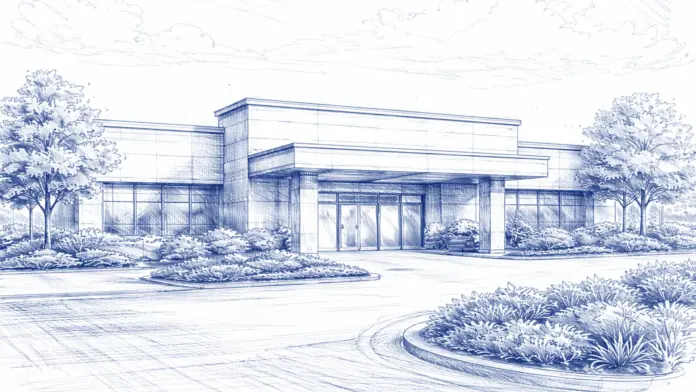
About Camelback Recovery Treatment Center
Camelback Recovery Treatment Center is an addiction treatment and mental health provider in Phoenix, Arizona that offers a full continuum of care from detox through aftercare.
Services include inpatient treatment, Partial Hospitalization (PHP), Intensive Outpatient including in-person and virtual IOP, plus advanced specialty services such as Medication Assisted Treatment (MAT), psychiatry, Transcranial Magnetic Stimulation (TMS), and GeneSight genetic testing.
What kinds of programs does Camelback Recovery offer?
The center provides medically supervised detox and residential inpatient care. The PHP meets five days per week for four to six hours daily and IOP requires at least three days per week for about three hours per day.
Treatment combines evidence based therapies like CBT, motivational interviewing, EMDR, and trauma focused approaches with medication management, relapse prevention, and aftercare planning.
Who can get help at Camelback Recovery?
The program serves adults with substance use disorders and co-occurring mental health conditions including those needing trauma informed care. Special programs are available for veterans. They offer sober transportation and companion services.
Does Camelback Recovery accept insurance?
The center accepts Aetna, Blue Cross Blue Shield, Cigna, GEHA, Gilsbar, Medica, Multiplan, TRICARE, TriWest, and United Healthcare, but does not accept Medicare or Medicaid. Sliding scale payment assistance and interest free payment plans are available for eligible individuals.

Rehab Score
 Our Methodology


Location
Other Forms of Payment
Self-pay involves paying for treatment out of your own pocket. You can use savings or credit, get a personal loan, or receive help from family and friends to fund your treatment. If you don't have insurance or your insurance plan doesn't cover a specific program, self-pay can help ensure you still get the care you need.
Sliding scale payments are based on a client's income and family size. The goal is to make treatment affordable to everyone. By taking these factors into account, addiction recovery care providers help ensure that your treatment does not become a financial burden to you or your family, eliminating one barrier to care.
Addiction Treatments
Levels of Care
Inpatient rehab is designed primarily for persons in early recovery and those who are exiting detox programs. It's ideal for clients in crisis or at an elevated risk of relapse. Inpatient treatment centers provide housing and meals, allowing clients to focus on their recovery away from distractions and addiction triggers. Clients engage in intensive psychotherapy, and many inpatient programs feature recovery-focused life skills training and/or complementary therapies like meditation, creative arts therapy, and other holistic treatments.
A partial hospitalization program (PHP) offers a short-term alternative to inpatient treatment or a step-down option after a residential program. With PHP treatment, you'll receive 6 to 8 hours of daily support, up to 5 days a week. The duration of a partial hospitalization program can vary with the average length being 90 days. While commuting is necessary, some programs also offer telehealth options. PHP treatment is often covered by insurance and typically offers medication management, relapse prevention techniques, and behavioral therapy.
Intensive inpatient programs (IOP) offer high-level support for clients in early recovery, those exiting detox or inpatient rehabs, and those at an elevated risk of relapse. Intensive outpatient treatment typically includes rigorous individual, group, and family counseling. Evidence-based complementary therapies, such as acupuncture and massage, are widely available. Medication assisted treatment (MAT) may be provided. Clients in IOP receive a minimum of nine hours of treatment per week but may engage in up to 20 treatment hours weekly.
Many clients who enroll in an outpatient rehab program are exiting intensive inpatient care and no longer require such high-level clinical supervision. Outpatient programs typically follow a step-down structure, with treatment frequency and intensity decreasing as clients progress in their recovery journey. Partial hospitalization (PHP) and intensive outpatient (IOP) levels of care are the most time-intensive and are designed primarily for clients who have just left inpatient treatment or who are at an elevated risk of relapse.
If you're struggling with adjusting to daily life after inpatient rehab, a sober living home in Arizona may be a good option. These residences offer an in-between option where you can practice the skills you learned in rehab in a structured, drug-free environment. This transition can help you prepare to face the "real world" after treatment. You'll live with others in recovery and follow house rules such as contributing to chores and paying rent.
Telehealth in Arizona lets you speak with your health care provider online via smartphone or computer. You can call, video chat, or send messages from wherever is convenient for you, rather than seeing your provider in person.
Treatments
Alcohol use disorder (AUD), also referred to as alcoholism and alcohol addiction, is a chronic condition that involves craving alcohol and an inability to control drinking. A person with AUD must drink greater and greater amounts of alcohol to achieve the same effects and experiences withdrawal symptoms if they stop drinking alcohol. Several evidence-based methods are available to treat AUD through alcohol rehab in Arizona. This treatment can occur on an outpatient or inpatient basis.
 Opioid Addiction
Drug rehab in Arizona is the process of treating individuals who are dependent on a particular addictive drug. Because addiction is complex, this treatment typically includes a variety of interventions that address the many physical and emotional issues involved.
Arizona's substance abuse treatment centers can provide tailored treatment for individuals with substance use disorders and mental health conditions. Treatment programs may include medically assisted detox, 12-Step recovery, intensive outpatient programs, and aftercare support. Addiction experts employ evidence-based therapies like cognitive behavioral therapy (CBT), dialectical behavioral therapy (DBT), and talk therapy to uncover and reframe unhelpful patterns. By graduation, you'll have developed new coping strategies, learned new stress management techniques, and have the capability of sustaining your recovery.
Treatment for addiction includes mental health services that are provided while during your stay at the facility. This may be a hospital, clinic, or a luxury treatment center setting. You receive 24-hour support and monitoring by mental health counselors and clinical staff. Most inpatient programs last 30 days, but some can last for two months or longer. Mental health is addressed during treatment via group and individual counseling, addiction education programming, and often recreational activities.
Dual-diagnosis addiction treatment in Arizona provides integrated care for individuals with co-occurring substance use disorders and mental health conditions. Services may include medically assisted detox, 12-Step recovery, intensive outpatient programs, and aftercare support. Addiction experts use evidence-based therapies, like cognitive behavioral therapy, or dialectical behavioral therapy, and trauma-focused therapy, to simultaneously address substance use and mental health disorders. This comprehensive approach to treatment helps to ensure sustained recovery.
Programs
Adult rehab programs include therapies tailored to each client's specific needs, goals, and recovery progress. They are tailored to the specific challenges adult clients may face, including family and work pressures and commitments. From inpatient and residential treatment to various levels of outpatient services, there are many options available. Some facilities also help adults work through co-occurring conditions, like anxiety, that can accompany addiction.
Clinical Services
Also known as CBT, cognitive behavioral therapy in Arizona is one of the most common types of psychotherapy. It offers a structured method of counseling that effectively treats substance use disorder and dual diagnosis disorders.
Self expression through creative arts therapy in Arizona can allow individuals who have a hard time articulating their feelings to access their emotions. This approach to counseling taps into our desire to create and draws from a variety of formats such as music, drama, sculpting, and painting.
Dialectical behavior therapy in Arizona focuses on acceptance of your reality and behaviors while also attempting to make changes in unhealthy behaviors. It has been shown to be effective for the treatment of anxiety, depression, PTSD, and substance use disorder.
Trauma therapy focuses on helping you understand and manage emotional and physical responses to past trauma. Using therapeutic interventions, you learn to reframe the experience. This helps reduce your anxiety and gives you greater control over your life.
Amenities
-
 Desert Setting
 -
 Gym
Gym -
 Metropolitan Area
 -
 Mountain Views
 -
 Private Rooms
 -
 Swimming Pool
 -
 WiFi
WiFi -
 Yoga Studio
Accreditations

State Licenses are permits issued by government agencies that allow rehab organizations to conduct business legally within a certain geographical area. Typically, the kind of program a rehab facility offers, along with its physical location, determines which licenses are required to operate legally.
State License: Arizona
Contact Information


4527 N 16th St Suite 200, Phoenix, AZ 85016
Sponsored Helpline
