
















































































































About Carrara Luxury Drug & Alcohol Rehab
Carrara Treatment Wellness and Spa is a luxury drug and alcohol rehab for adults. Clients can find this treatment center tucked away in a corner of metropolitan Los Angeles, California. The center is tucked away in a scenic landscape where guests can focus on recovery and healing with personalized treatment programs.
Integrative Methods
Carrara’s staff understands that every person has a unique path to recovery and that generic approaches may not work for every situation. Programs typically last 30-90 days.
They combine traditional and holistic methods to support the most comprehensive care. Guests attend counseling sessions to address the potential root causes of substance use and develop coping skills for life’s stressors.
Somatic Trauma therapy is available to help clients process traumas and emotions that are sometimes stored in the body. It can facilitate healthy changes that empower guests and lead to lasting sobriety. Art therapy can support emotional health and increase expression. It may also provide a creative outlet that some guests may not find in traditional therapy sessions. Outdoor pools and space for lounging and socializing offer an atmosphere to promote healing and sharing.
A Luxury Addiction Treatment Experience in Los Angeles
The rehab center is housed in an exquisite home in the Los Angeles hills. Though the residence is in a private, secluded, and secure area, it’s near the heart of Los Angeles with its cultural attractions, parks, and nearby beaches.
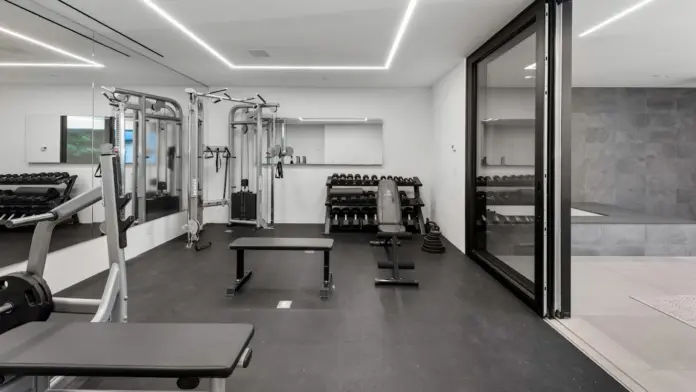
There are three luxury private rooms with high end furnishings and en-suite bathrooms. There’s a swimming pool and a well appointed fitness center.
Clients can take advantage of the spa services and enjoy professionally prepared gourmet meals. There are tranquil outdoor areas with lush gardens for healing and relaxation.
Focused on Relapse Prevention
Carrara Treatment understands that the first few months after treatment can often be the most daunting. They offer process groups to help guests work through relapse scenarios that may present after the program. They can learn to manage substance use triggers, gain life skills training, and receive education that teaches them about the disease of addiction and how it affects thinking patterns and behaviors.
Their inclusive program offers services tailored to busy executives, professionals, and the LGBTQ+ community. The center is near Wilacre Park and Fryman Canyon Park, where guests can enjoy hiking trails, nature settings, and relaxation conducive to recovery.
Facility Overview
 61 - 90
 Latest Reviews



Rehab Score
 Our Methodology


Gallery



Accepted Insurance


Other Forms of Payment
Private insurance refers to any kind of healthcare coverage that isn't from the state or federal government. This includes individual and family plans offered by an employer or purchased from the Insurance Marketplace. Every plan will have different requirements and out of pocket costs so be sure to get the full details before you start treatment.
Self-pay involves paying for treatment out of your own pocket. You can use savings or credit, get a personal loan, or receive help from family and friends to fund your treatment. If you don't have insurance or your insurance plan doesn't cover a specific program, self-pay can help ensure you still get the care you need.
Financing your treatment can make treatment more accessible. You'll work with your care provider to set up payment plans, including interest rates and repayment timelines. Financing options vary widely and not all programs offer them, so be sure to get the full details before enrolling in treatment. If you have insurance or other benefits, financing may help you cover your remaining out of pocket expenses.
Addiction Treatments
Levels of Care
Carrara Treatment provides 24-hour medically monitored detox in Los Angeles, with nursing staff on site throughout withdrawal. The program transitions directly into residential treatment.
Carrara Treatment's residential program in Los Angeles runs 30 to 90 days and is housed in a private facility with luxury accommodations, a dedicated clinical team, and individualized therapy
Carrara Treatment builds individualized aftercare plans that include ongoing counseling, sober living referrals, support group integration, and relapse prevention strategies to support recovery after discharge.
Treatments
Alcoholism, or alcohol use disorder (AUD), is defined by alcohol dependence. This is a state the body reaches when it experiences withdrawal symptoms in the absence of alcohol. A person who has AUD craves alcohol and continues to drink despite adverse consequences. Because withdrawing from alcohol can pose health risks, individuals with AUD should seek professional alcohol rehab in California to overcome their alcohol addiction. This process typically involves medical detox, rehabilitation, and maintenance.
Drug rehab in California teaches participants constructive ways to stay clean and sober. Treatment revolves around helping individuals stop using the substance they are addicted to and learn healthy habits to avoid relapse.
 Opioid Addiction
Carrara Treatment addresses co-occurring mental health conditions alongside substance use, providing integrated clinical and psychiatric support so both conditions are treated within the same residential program.
Inpatient treatment for drug and alcohol addiction with a focus on mental health is a good fit for people who need closer monitoring and care. Treatment may occur in a hospital setting, a clinic, or a luxury rehab center. Mental health counselors and staff are available 24/7. Therapies typically include group and individual counseling, relapse prevention education, and emotional coping skills training.
Programs
Adult rehab programs include therapies tailored to each client's specific needs, goals, and recovery progress. They are tailored to the specific challenges adult clients may face, including family and work pressures and commitments. From inpatient and residential treatment to various levels of outpatient services, there are many options available. Some facilities also help adults work through co-occurring conditions, like anxiety, that can accompany addiction.
Clinical Services
Carrara Treatment uses CBT to help clients identify and reshape thought patterns that contribute to substance use, building coping strategies and relapse prevention skills through individual and group sessions.
DBT at Carrara Treatment focuses on four skill areas: mindfulness, distress tolerance, emotion regulation, and interpersonal effectiveness, delivered through structured group and individual sessions.
Carrara Treatment pairs each client with a licensed therapist for at least three one-on-one sessions per week, with options to include family or couples sessions in the treatment plan.
Therapeutic process groups at Carrara Treatment are led by licensed therapists and offer a structured, nonjudgmental setting for clients to process experiences and build peer connection during residential treatment.
Eye movement desensitization and reprocessing (EMDR) is available at Carrara Treatment to support clients processing trauma that underlies or co-occurs with substance use disorder.
Carrara Treatment's somatic trauma therapy helps clients release stored trauma through body-awareness techniques, including nervous system regulation, grounding, and sensory coping skills integrated throughout the residential program.
Amenities
-
 Private Rooms
 -
 Spa
Spa -
 Gym
Gym -
 Swimming Pool
 -
 Meditation Room
 -
 Pet Friendly
 -
 Private Setting
 -
 Luxury Accommodations
 -
 Business Center
 -
Gym
Accreditations

State Licenses are permits issued by government agencies that allow rehab organizations to conduct business legally within a certain geographical area. Typically, the kind of program a rehab facility offers, along with its physical location, determines which licenses are required to operate legally.
State License: California

The Joint Commission, formerly known as JCAHO, is a nonprofit organization that accredits rehab organizations and programs. Founded in 1951, the Joint Commision's mission is to improve the quality of patient care and demonstrating the quality of patient care.
Joint Commission Accreditation: Yes
Contact Information


1813 Marcheeta Pl, Los Angeles, CA 90069
Sponsored Helpline

