





























































































I don't complain about the staff often, but the residential people can and should do better.
About Center for Dependency, Addiction and Rehabilitation (CeDAR) A division of UCHealth
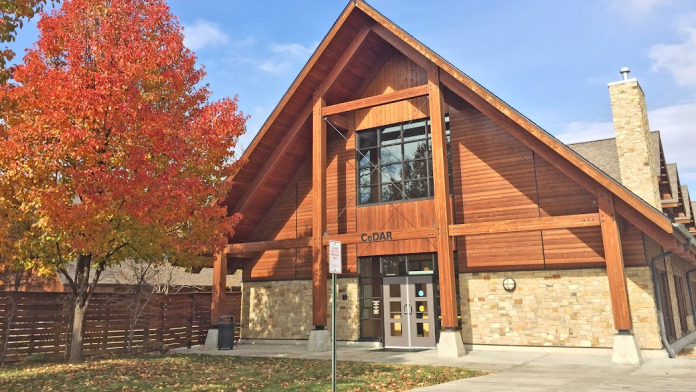
CeDAR Center for Dependency, Addiction and Rehabilitation in Aurora, Colorado has several levels of care to meet the needs of every individual who comes to them for help. There are inpatient detoxification and medical stabilization programs. There is also an intensive residential program, partial hospitalization program, intensive outpatient and continuing care programs and even telehealth and online services.
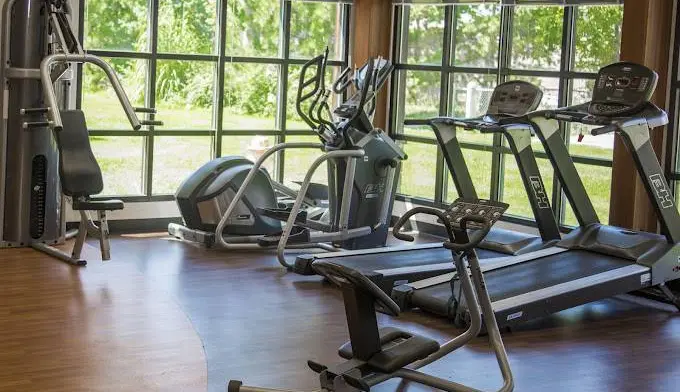
They have additional support programs such as a spiritual program, a fitness program, a family and an alumni program. Each of these are available to help individuals and their families to overcome addiction and live a healthier, happier life.
Medical Supervision and Compassionate Support
CeDAR has a medically supervised withdrawal and assessment program (MSWAP) that not only provides the traditional detox services.
You will be admitted to the detox unit for approximately five days. During that time you may receive medications to help reduce the discomfort and dangers of detoxing. You will also go through a biopsychosocial needs assessment and a psychiatric evaluation.
The Next Step
After someone goes through detox they will be referred to the next level of care that is appropriate for them. This could be inpatient or residential treatment, a partial hospitalization or intensive outpatient program or a general outpatient support plan.
All of these levels of care will include cognitive behavioral therapy, psychiatric care if needed, treatment for dual diagnosis and chronic pain as well as workshops such as mindfulness coaching.
Home Away From Home
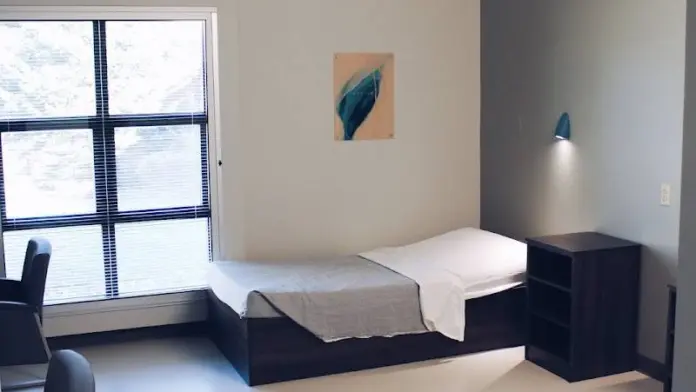
Residential treatment can be the perfect setting to assess your life, deal with your issues, and make a plan for success because you don’t have the pressures and responsibilities of the outside world to cope with. You are in a supervised, safe environment with support around you to ensure you get on and stay on the right track.
You will be involved in several groups such as SMART Recovery, Recovery Dharma, and traditional 12-step groups. There is an extended residential treatment program that helps with addiction, depression or anxiety, bipolar disorder, unhealed trauma, and more.
Treatment While in Community
You may not need a residential treatment program, or perhaps you have finished residential treatment but still need support on your recovery journey. There are several outpatient options available through telehealth or in person. It is usually for 12 weeks and can be attended day or night. Partial hospitalization is also available in person. Both of these programs do have medication assisted treatment available if appropriate.
There are also alumni support meeting via Zoom twice a week for those who have completed all levels of care.
Insurance is accepted. There are also self-pay options and financial assistance available if needed. No one should be turned away due to financial status.
Latest Reviews
Cedar Recovery in Colorado is absolutely outstanding!
My son has been struggling with alcoholism for the past 13 years and we as a family tried EVERYTHING!
My son has been in numerous Rehab facilities in Fla and Colorado and CeDAR is by far the best. They have never given up .. ever, on my son.
After his recent stay, CeDAR was able to get my son in an EXCELLENT sober living situation that requires accountability, stability, support classes and groups and my son is so hopeful and excited about life again.
Thank you is inadequate to express our gratitude and appreciation for EVERYTHING CeDAR has done for our family!
Love these guys, they truly have a heart and have a desire to help. I joined their alumni group and you really develop a positive group of friends while here. ❤️❤️❤️
Response from the owner1 week ago
Trevor, thanks so much for your kind review and for sharing your experience. We are grateful for the 5-star rating and for your feedback.
CeDar was life changing for me. I had been in active addiction for over 8 years. Addicted to methampetamine and opiates. After 30 days here in 2024 I now have over 2 years of continued sobriety and am doing very well. Thank you to Dana and multiple other staff members for their support.
Response from the owner1 week ago
Tristian, thanks so much for your kind review and for sharing your experience. We are grateful for the 5-star rating and for your feedback. 
Rehab Score
 Our Methodology
Scoring is assigned by a proprietary system which helps surface key metrics that determine quality. The 10-point scale factors in categories such as operations, customer satisfaction, and trust metrics. Read Full Methodology

7.7 / 10
Gallery
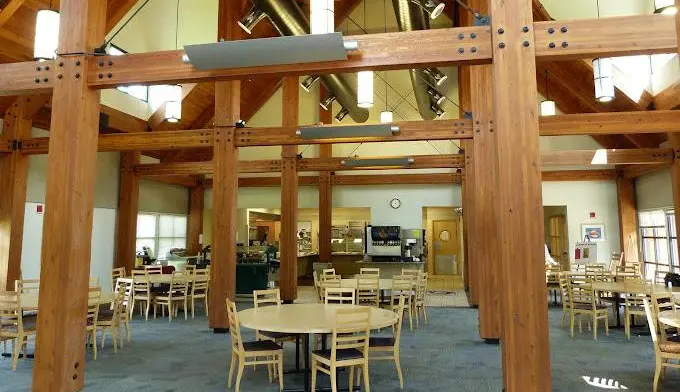
Accepted Insurance

Cofinity
Colorado Access
HealthFirst
Rocky Mountain Health Plans
Other Forms of Payment
Private insurance refers to any kind of healthcare coverage that isn't from the state or federal government. This includes individual and family plans offered by an employer or purchased from the Insurance Marketplace. Every plan will have different requirements and out of pocket costs so be sure to get the full details before you start treatment.
Self-pay involves paying for treatment out of your own pocket. You can use savings or credit, get a personal loan, or receive help from family and friends to fund your treatment. If you don't have insurance or your insurance plan doesn't cover a specific program, self-pay can help ensure you still get the care you need.
Financial aid can take many forms. Centers may have grants or scholarships available to clients who meet eligibility requirements. Programs that receive SAMHSA grants may have financial aid available for those who need treatment as well. Grants and scholarships can help you pai for treatment without having to repay.
Addiction Treatments
Levels of Care
Residential treatment programs are those that offer housing and meals in addition to substance abuse treatment. Rehab facilities that offer residential treatment allow patients to focus solely on recovery, in an environment totally separate from their lives. Some rehab centers specialize in short-term residential treatment (a few days to a week or two), while others solely provide treatment on a long-term basis (several weeks to months). Some offer both, and tailor treatment to the patient's individual requirements.
Intensive Outpatient Programs (IOP) are for those who want or need a very structured treatment program but who also wish to live at home and continue with certain responsibilities (such as work or school). IOP substance abuse treatment programs vary in duration and intensity, and certain outpatient rehab centers will offer individualized treatment programs.
Drug and alcohol addiction often takes a heavy toll on one’s body. Over time, a physical dependence can develop, meaning the body physiologically needs the substance to function. Detox is the process of removing drugs and/or alcohol from the body, a process that can be lethal if mismanaged. Medical detox is done by licensed medical professionals who monitor vital signs and keep you safe, healthy, and as comfortable as possible as you go through detox and withdrawal. Medically managed detoxification is an important first step in recovery from addiction. Their experienced, caring professional medical staff in CeDAR’s Assessment Detox Unit (ADU) understand how challenging this first step may be for patients. With compassion, respect and dignity, their staff helps each patient move through this experience safely and as comforablly as possible.
12-step programs are addiction recovery models based on Alcoholics Anonymous (AA). A number of substance abuse programs (including some drug and alcohol rehab centers) use the 12 steps as a basis for treatment. Beginning steps involve admitting powerlessness over the addiction and creating a spiritual basis for recovery. Middle steps including making direct amends to those who've been hurt by the addiction, and the final step is to assist others in addiction recovery in the same way. 12-Step offshoots including Narcotics Anonymous (NA), Cocaine Anonymous (CA), Dual Recovery Anonymous (DRA), Sex and Love Addicts Anonymous (SLAA) and Gamblers Anonymous (GA).
Clients engaged in a rehab aftercare program have completed active addiction treatment and are receiving services designed to promote their sustained sobriety. Drug rehab aftercare typically encompasses a wide variety of medical, mental health, and social services meant to facilitate clients' reintegration into their home, workplace, and community. Clients typically collaborate with their case manager and/or recovery team to identify and access the services they need, often including peer coaching, career counseling, and care referrals.
For those that don't require round-the-clock care, a partial hospitalization program (PHP) is a short-term option that can be used as a step-down treatment or as an alternative to intensive hospitalization. PHP treatment requires up to 5 days a week of commitment where you'll receive 6 to 8 hours of support every day. While a partial hospitalization program typically requires a commute, telehealth may be available. PHP treatment costs can vary but are often covered by most insurance.
Treatments
The goal of treatment for alcoholism is abstinence. Those with poor social support, poor motivation, or psychiatric disorders tend to relapse within a few years of treatment. For these people, success is measured by longer periods of abstinence, reduced use of alcohol, better health, and improved social functioning. Recovery and Maintenance are usually based on 12 step programs and AA meetings.
Professional services are often necessary to recover from addiction. Drug rehab in Colorado provides the expert services needed to address the complex issues of addiction and help individuals start their recovery journey.
Many of those suffering from addiction also suffer from mental or emotional illnesses like schizophrenia, bipolar disorder, depression, or anxiety disorders. Rehab and other substance abuse facilities treating those with a dual diagnosis or co-occurring disorder administer psychiatric treatment to address the person's mental health issue in addition to drug and alcohol rehabilitation.
A combined mental health and substance abuse rehab has the staff and resources available to handle individuals with both mental health and substance abuse issues. It can be challenging to determine where a specific symptom stems from (a mental health issue or an issue related to substance abuse), so mental health and substance abuse professionals are helpful in detangling symptoms and keeping treatment on track.
Opioid rehabs specialize in supporting those recovering from opioid addiction. They treat those suffering from addiction to illegal opioids like heroin, as well as prescription drugs like oxycodone. These centers typically combine both physical as well as mental and emotional support to help stop addiction. Physical support often includes medical detox and subsequent medical support (including medication), and mental support includes in-depth therapy to address the underlying causes of addiction.
Programs
Adult rehab programs include therapies tailored to each client's specific needs, goals, and recovery progress. They are tailored to the specific challenges adult clients may face, including family and work pressures and commitments. From inpatient and residential treatment to various levels of outpatient services, there are many options available. Some facilities also help adults work through co-occurring conditions, like anxiety, that can accompany addiction.
Young adulthood can be an exciting, yet difficult, time of transition. Individuals in their late teens to mid-20s face unique stressors related to school, jobs, families, and social circles, which can lead to a rise in substance use. Rehab centers with dedicated young adult programs will include activities and amenities that cater to this age group, with an emphasis on specialized counseling, peer socialization, and ongoing aftercare.
Clinical Services
The main principle of cognitive behavioral therapy (CBT) in Colorado is that substance use disorders are based on faulty thinking and behavior patterns. The goal of this treatment is to help the individual learn better ways of coping with challenges, which will lead to changes in thinking and behavior.
Dialectical behavior therapy is skills based and present oriented. You'll be asked to keep a diary of emotions and related behaviors and practice the skills you've been learning between sessions. The focus of skills development is on mindfulness, distress tolerance, emotion regulation, and interpersonal effectiveness.
Therapists who employ motivational interview techniques seek to draw out the client's ideas about change and allow them to draw their own conclusions about the need for change. This method is often effective for clients who feel unsure about their ability to change or the need for change.
In individual therapy, a patient meets one-on-one with a trained psychologist or counselor. Therapy is a pivotal part of effective substance abuse treatment, as it often covers root causes of addiction, including challenges faced by the patient in their social, family, and work/school life.
Research clearly demonstrates that recovery is far more successful and sustainable when loved ones like family members participate in rehab and substance abuse treatment. Genetic factors may be at play when it comes to drug and alcohol addiction, as well as mental health issues. Family dynamics often play a critical role in addiction triggers, and if properly educated, family members can be a strong source of support when it comes to rehabilitation. The week-long program helps family members learn about addiction, how to care for themselves, and how to support the person they love through the recovery process. In fact, research shows participation in our addiction family support program helps increase overall recovery rates.
Group therapy is any therapeutic work that happens in a group (not one-on-one). There are a number of different group therapy modalities, including support groups, experiential therapy, psycho-education, and more. Group therapy involves treatment as well as processing interaction between group members.
Amenities
-
 Private Setting
Accreditations

The Substance Abuse and Mental Health Services Administration (SAMHSA) is a branch of the U.S. Department of Health and Human Services. Established in 1992 by congress, SAMHSA's mission is to reduce the impact of substance abuse and mental illness on American's communities.
SAMHSA Listed: Yes

The Joint Commission, formerly known as JCAHO, is a nonprofit organization that accredits rehab organizations and programs. Founded in 1951, the Joint Commision's mission is to improve the quality of patient care and demonstrating the quality of patient care.
Joint Commission Accreditation: Yes
Accreditation Number: 9384

The National Association of Addiction Treatment Providers (NAATP) is a professional association that represents organizations in the field of addiction services. Founded in 1978, NAATP's mission is to advance addiction services and ensure that high-quality addiction treatment is available and accessible.
NAATP Member: Yes
Member ID: 1825
Rehab.com regularly reviews this listing for accuracy but changes may occur between updates. For the most up-to-date information, please contact Center for Dependency, Addiction and Rehabilitation (CeDAR) A division of UCHealth.
Contact Information

1693 North Quentin street
Aurora CO, 80045
Get Help Now - 720-918-6614
Sponsored Helpline
Sponsored Helpline


