











Ashwood Recovery – Outpatient
1
Top 10 Rehab Centers In Boise



















































































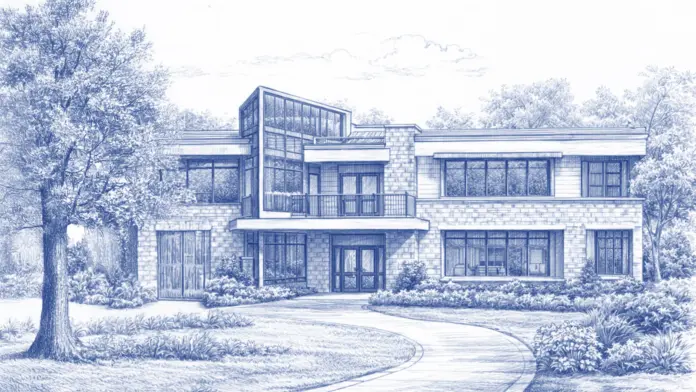
The partial hospitalization program provides a highly structured outpatient program for individuals who need support to a greater degree than a traditional outpatient program can offer. Clients typically participate in treatment five to six days per week. They engage in six to seven hours of treatment each day they are on site. Individual therapy, group therapy, peer support services, family therapy, educational classes, meal-time support, and nutritional support are provided.
Intensive outpatient services are provided for those who are able to step down from the partial hospitalization program. Clients are required to participate in nine hours of therapy per week over a three-to-six-day window each week. As clients progress, they may qualify for virtual support services.
Center for Discovery accepts most insurance plans, including Amerigroup, Magellan, Kaiser Permanente, United Healthcare, Blue Cross Blue Shield, and more. Out of network benefits may vary, so it’s important to verify coverage with your provider prior to starting treatment.

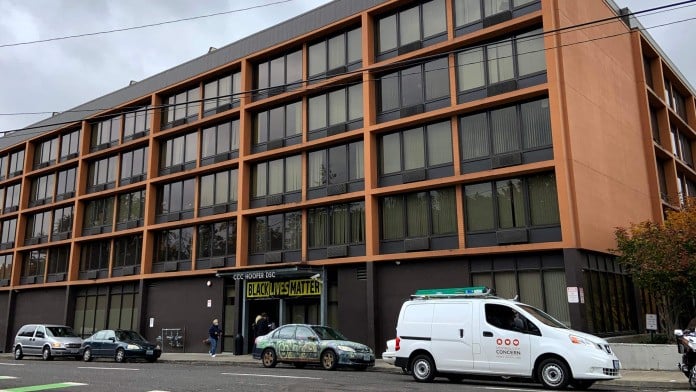
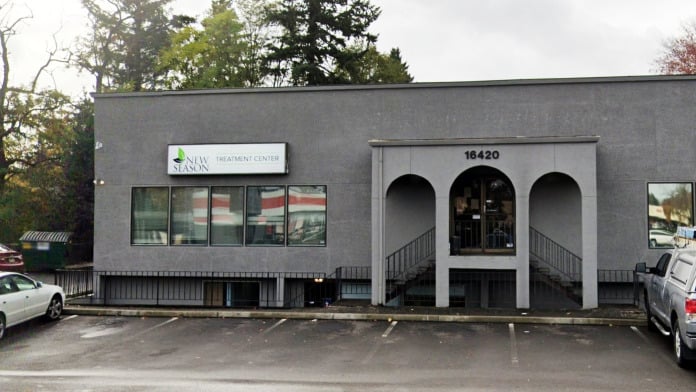

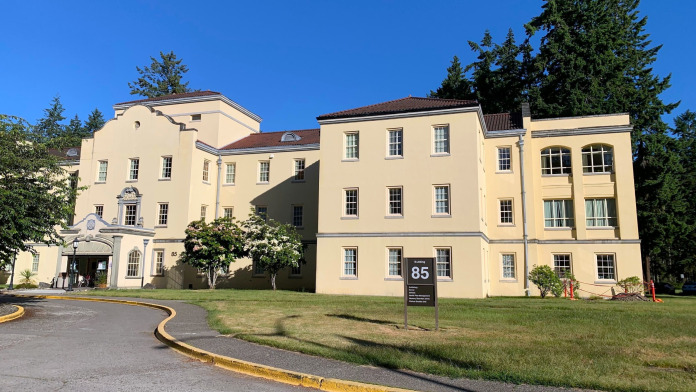

 Our Methodology


Private insurance refers to any kind of healthcare coverage that isn't from the state or federal government. This includes individual and family plans offered by an employer or purchased from the Insurance Marketplace. Every plan will have different requirements and out of pocket costs so be sure to get the full details before you start treatment.
Self-pay involves paying for treatment out of your own pocket. You can use savings or credit, get a personal loan, or receive help from family and friends to fund your treatment. If you don't have insurance or your insurance plan doesn't cover a specific program, self-pay can help ensure you still get the care you need.
Outpatient Programs (OP) are for those seeking mental rehab or drug rehab, but who also stay at home every night. The main difference between outpatient treatment (OP) and intensive outpatient treatment (IOP) lies in the amount of hours the patient spends at the facility. Most of the time an outpatient program is designed for someone who has completed an inpatient stay and is looking to continue their growth in recovery. Outpatient is not meant to be the starting point, it is commonly referred to as aftercare.
Inpatient rehab enables clients who are exiting detox or who are at an increased risk of relapse to focus on their recovery in a highly structured and supportive environment. Inpatient rehabs provide intensive clinical supervision and high-level treatment. Clients remain at the facility through the length of their program and typically receive multiple addiction counseling and education sessions per day. Holistic therapies, such as yoga, message, and meditation, may be used to relieve stress and ease discomfort.
Intensive Outpatient Programs (IOP) are for those who want or need a very structured treatment program but who also wish to live at home and continue with certain responsibilities (such as work or school). IOP substance abuse treatment programs vary in duration and intensity, and certain outpatient rehab centers will offer individualized treatment programs.
A partial hospitalization program (PHP) is a short-term form of intensive rehab, usually for those with acute symptoms that are hard to manage but don’t require 24-hour care. PHPs have structured programming (i.e. individual and/or group therapy), and usually meet 3-5 days a week for around 6 hours (i.e. 9am-3m). Some PHPs are residential (patients sleep on site) and some are not, so patients sleep at home. PHPs can last from 1-6 months, and some offer transportation and meals.
24-hour clinical care in Washington includes a team of medical professionals who are on-site 24/7 to provide the care you need. Medical staff can provide medications and other physical treatment to help you safely navigate withdrawal. Counselors offer mental and emotional support. Other specialists who offer additional resources may include nutritionists, family therapists, and case managers.
Mental health rehabs focus on helping individuals recover from mental illnesses like bipolar disorder, clinical depression, anxiety disorders, schizophrenia, and more. Mental health professionals at these facilities are trained to understand and treat mental health issues, both in individual and group settings.
Adult rehab programs include therapies tailored to each client's specific needs, goals, and recovery progress. They are tailored to the specific challenges adult clients may face, including family and work pressures and commitments. From inpatient and residential treatment to various levels of outpatient services, there are many options available. Some facilities also help adults work through co-occurring conditions, like anxiety, that can accompany addiction.
Young adulthood can be an exciting, yet difficult, time of transition. Individuals in their late teens to mid-20s face unique stressors related to school, jobs, families, and social circles, which can lead to a rise in substance use. Rehab centers with dedicated young adult programs will include activities and amenities that cater to this age group, with an emphasis on specialized counseling, peer socialization, and ongoing aftercare.
Recovery is most successful when clients feel accepted and validated by their peers and treatment providers. Facilities that offer LGBTQ-inclusive programming are committed to creating a safe space where everyone can grow and recover without fear of judgment or discrimination. They will have dedicated policies in place to create a safe and supportive environment that fosters free expression.
Cognitive Behavioral Therapy (CBT) is a therapy modality that focuses on the relationship between one's thoughts, feelings, and behaviors. It is used to establish and allow for healthy responses to thoughts and feelings (instead of unhealthy responses, like using drugs or alcohol). CBT has been proven effective for recovering addicts of all kinds, and is used to strengthen a patient's own self-awareness and ability to self-regulate. CBT allows individuals to monitor their own emotional state, become more adept at communicating with others, and manage stress without needing to engage in substance abuse.
Dialectical behavior therapy (DBT) is a highly structured form of therapy that teaches skills to help participants change negative thoughts and behaviors. Applying a philosophy of acceptance and change, you'll learn and practice these skills to break unhealthy patterns and establish healthy ones.
 Equine Therapy
Group therapy is a safe space that offers you a confidential environment to openly discuss your challenges with addiction and the progress you're making without fear of judgment. Group therapy participants share responsibility for recovery, which fosters a collective commitment to sobriety.
Individual therapy sessions for drug and alcohol addiction treatment emphasize the importance of personalized care. Your therapist works with you to understand your unique life experiences and develop effective coping mechanisms to address your underlying issues. This comprehensive approach to recovery is the foundation of drug rehab.
Clinicians who apply motivational interviewing techniques engage with their clients as equal partners. This method avoids warnings and confrontation and instead allows clients to analyze their situation and explore their options. This technique is often used when the client feels unsure about their ability or desire to change.
Trauma therapy addresses traumatic incidents from a client's past that are likely affecting their present-day experience. Trauma is often one of the primary triggers and potential causes of addiction, and can stem from child sexual abuse, domestic violence, having a parent with a mental illness, losing one or both parents at a young age, teenage or adult sexual assault, or any number of other factors. The purpose of trauma therapy is to allow a patient to process trauma and move through and past it, with the help of trained and compassionate mental health professionals.
Couples therapy can help a couple navigate their differences. By learning powerful interpersonal skills in therapy, the couple can work together to overcome challenges and change the direction of their relationship.
EMDR is a therapeutic modality originally developed to help process trauma. In an EMDR session, a patient is prompted to undergo eye movements that mimic those of REM sleep. This is accomplished by watching a therapist's finger move back and forth across, or following a bar of light. The goal is repetitive sets of eye movements that help the brain reprocess memory, which can significantly reduce the intensity of remembered traumatic incidents. Associated memories can heal simultaneously, leaving patients significantly calmer, more stable, and more emotionally relaxed.
One goal of family therapy is to provide a platform where members have a safe place to talk about the challenges that addiction has created in their lives. Using guided sessions, therapists help individual family members develop healthy communication skills and address unresolved issues between themselves to support their loved one's sobriety.
 Yoga Studio
  Residential Setting
  Private Rooms
Executive Director
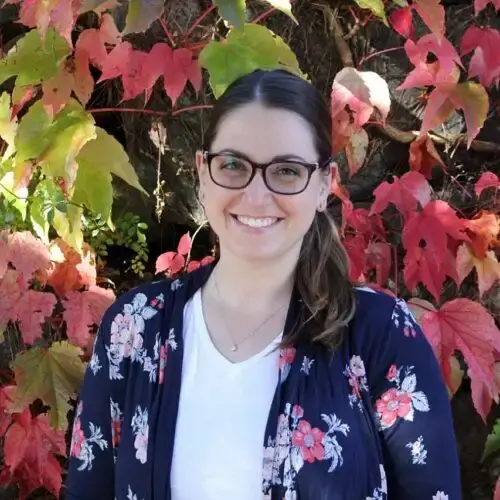
Clinical Director
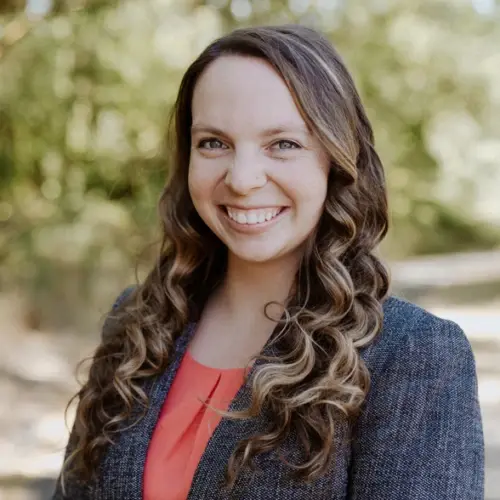
Therapist

Counselor

The Joint Commission, formerly known as JCAHO, is a nonprofit organization that accredits rehab organizations and programs. Founded in 1951, the Joint Commision's mission is to improve the quality of patient care and demonstrating the quality of patient care.
Joint Commission Accreditation: Yes
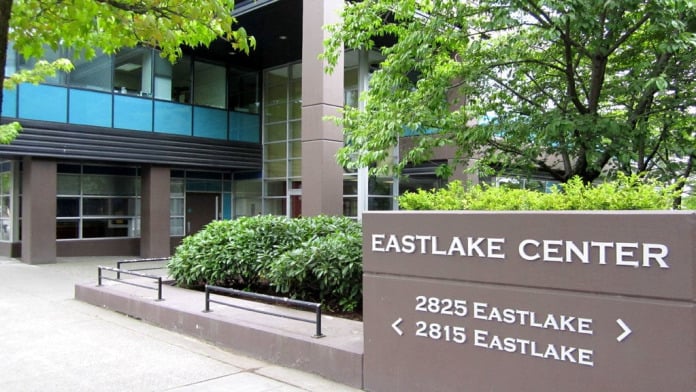
Rehab.com regularly reviews this listing for accuracy but changes may occur between updates. For the most up-to-date information, please contact Center for Discovery – Tacoma.

2202 South Cedar
Suite 175
Tacoma, WA 98405
Sponsored Helpline

While even the thought of going into an eating disorder treatment program is terrifying, I felt very supported While being there. I learned a lot, and some things I already knew, but just didn't care about. I didn't expect this place to be so bright and uplifting with such supportive staff. I graduated out of this program last October, and see a dietitian who works with this wonderful team now. I started there not wanting to be there at all, and left hardly wanting to leave because of the structure of the day. I felt very supported by my care team and made a pretty great friend there who also attended program. It was a place I felt safe to be who I am, and was around people who actually thought I was funny. Mostly I just get judged or ignored for my humor, which led me to think I was not really that cool of a person but this team made me feel worthy and cared for. Thank you CFD!

My daughter received residential treatment in Edmonds, and then was transferred to step down treatment, mostly due to our insurance not approving a continued stay. We were told she would return to residential if she wan’t doing well in intensive outpatient. Instead, she was abruptly discharged with no time to plan for follow up care. She continues to struggle with her eating disorder. I recommend avoiding this program altogether


This center in Tacoma does a terrible job. The staff were highly incompetent from the beginning. The enrollment process was a joke. We had to constantly follow up with them and they regularly did not follow through with what they told us they would do. When my daughter finally got in the program, there was very little progress. In fact, she felt that her mental health took several steps backward participating in the program. The therapist was not great at keeping her appointments, and when our daughter decided to leave the program and we didn’t 100% agree with how they recommended we proceed in treating her, they reported us. Like we needed that added stress! Eating disorders are real and you should do all you can to support your loved ones when they are dealing with one. I would just recommend you do it anywhere but the Center For Discovery in Tacoma.
 Back
Back
Sharing your insights and experiences can help others learn more about this rehab center.

 Written By: Courtney Myers
MS
Written By: Courtney Myers
MS
