





























































































About CleanSlate Outpatient Addiction Medicine
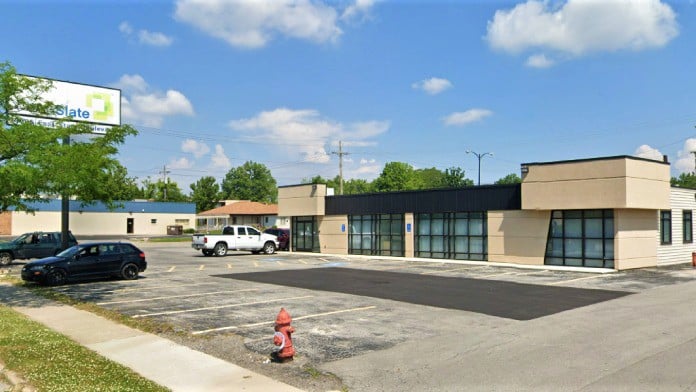
CleanSlate Outpatient Addiction Medicine is located on East Washington Boulevard in Fort Wayne, Indiana. They provide outpatient addiction treatment services for adult men and women with individualized treatment plans designed on your specific needs, focusing on long-term recovery. Walk-ins are available on weekday mornings.
MAT for Opioid and Alcohol Addiction
They specialize in MAT for opioid and alcohol addiction and use FDA-approved medications to treat your addictions including buprenorphine and naltrexone. They offer regular monitoring and supervision, medication management and ongoing clinical support during your retreatment. They also provide behavioral health and counseling services, which are integrated into their care program.
Access to Higher Levels of Care Through Referrals
I am encouraged to learn that they also will assist you with making referrals for higher levels of care as needed. Specialized support is for those recently released from incarceration or referred by the judicial system. They also provide support for pregnant women struggling with addiction. The program is perfect for those seeking confidential outpatient addiction care.
Clients Praise a Supportive and Nonjudgemental Staff
Client reviews are positive, with some exclaiming that the staff is supportive and nonjudgemental. They also mention effective care coordination and accessibility to life-saving medicine. Lastly, clients refer to CleanSlate as offering flexible appointments and compassionate clinicians.
CleanSlate accepts a wide range of payment options for your services including Medicaid, Medicare and most commercial insurance plans. They also offer a sliding scale fee and self-payment options and provide assistance to you to help with verifying benefits and coverage.
Located in downtown Fort Wayne, CleanSlate is pretty close to Headwaters Park, the historic Embassy Theatre and the Fort Wayne Art Museum. These opportunities are conducive to healing and get you back to your community.
Latest Reviews



Rehab Score
 Our Methodology


Gallery
Other Forms of Payment
Private insurance refers to any kind of healthcare coverage that isn't from the state or federal government. This includes individual and family plans offered by an employer or purchased from the Insurance Marketplace. Every plan will have different requirements and out of pocket costs so be sure to get the full details before you start treatment.
Self-pay involves paying for treatment out of your own pocket. You can use savings or credit, get a personal loan, or receive help from family and friends to fund your treatment. If you don't have insurance or your insurance plan doesn't cover a specific program, self-pay can help ensure you still get the care you need.
Medicare is a federal program that provides health insurance for those 65 and older. It also serves people under 65 with chronic and disabling health challenges. To use Medicare for addiction treatment you need to find a program that accepts Medicare and is in network with your plan. Out of pocket costs and preauthorization requirements vary, so always check with your provider.
Medicaid is a state based program that helps lower-income individuals and families pay for healthcare. Medicaid covers addiction treatment so those enrolled can use their coverage to pay for rehab. When a program accepts Medicaid the client often pays very little or nothing out of their own pocket.
Military members, veterans, and eligible dependents have access to specific insurance programs that help them get the care they need. TRICARE and VA insurance can help you access low cost or no cost addiction and mental health treatment. Programs that accept military insurance often have targeted treatment focused on the unique challenges military members, veterans, and their families face.
Addiction Treatments
Levels of Care
Outpatient Programs (OP) are for those seeking mental rehab or drug rehab, but who also stay at home every night. The main difference between outpatient treatment (OP) and intensive outpatient treatment (IOP) lies in the amount of hours the patient spends at the facility. Most of the time an outpatient program is designed for someone who has completed an inpatient stay and is looking to continue their growth in recovery. Outpatient is not meant to be the starting point, it is commonly referred to as aftercare.
Intensive Outpatient programs are for those who want or need a very structured treatment program but who also wish to live at home and continue with certain responsibilities (such as work or school). IOP substance abuse treatment programs vary in duration and intensity, and certain outpatient rehab centers will offer individualized treatment programs. The Intensive Outpatient Program gives patients the chance to participate in a structured treatment plan part-time while they transition back to home and work or other responsibilities.
Completing a drug or alcohol rehab program shouldn't spell the end of substance abuse treatment. Aftercare involves making a sustainable plan for recovery, including ongoing support. This can include sober living arrangements like halfway houses, career counseling, and setting a patient up with community programs like Alcoholics Anonymous (AA) or Narcotics Anonymous (NA).
Programs
Adult rehab programs include therapies tailored to each client's specific needs, goals, and recovery progress. They are tailored to the specific challenges adult clients may face, including family and work pressures and commitments. From inpatient and residential treatment to various levels of outpatient services, there are many options available. Some facilities also help adults work through co-occurring conditions, like anxiety, that can accompany addiction.
Young adulthood can be an exciting, yet difficult, time of transition. Individuals in their late teens to mid-20s face unique stressors related to school, jobs, families, and social circles, which can lead to a rise in substance use. Rehab centers with dedicated young adult programs will include activities and amenities that cater to this age group, with an emphasis on specialized counseling, peer socialization, and ongoing aftercare.
Clinical Services
Group therapy provides a unique experience for men and women to encounter a supportive environment where you can share your experiences and gain insight from your peers who understand your struggles. Group therapy improves your journey and helps promote sustainable recovery.
Qualified therapists in Indiana use a customized treatment approach for individual therapy to address your drug and alcohol addiction treatment. This considers your past history and life circumstances to help you uncover the underlying issues that trigger addictive behavior and manage these factors to support a healthy approach to recovery.
During trauma therapy in Indiana, your therapist helps you process traumatic experiences and learn how they affect your emotional, mental, and physical responses. You learn effective coping strategies that help to reduce the symptoms and improve your mental health and well being.
The goal of family therapy in Indiana is to empower family members to effectively support their loved one's recovery. Therapists work with family members to develop the skills needed to manage stress and resolve conflicts successfully. This fosters a positive environment that is conducive to long term sobriety.
Staff
Chris Bove
CEO
Onita Washington-Lackey
Care Coordinator
Jamie Grall
Medical Assistant
Heather Berry
Center Supervisor
Rehab.com regularly reviews this listing for accuracy but changes may occur between updates. For the most up-to-date information, please contact CleanSlate Outpatient Addiction Medicine.
Contact Information


3005 East State Boulevard
Suite B
Fort Wayne, IN 46805
Sponsored Helpline


