















































































































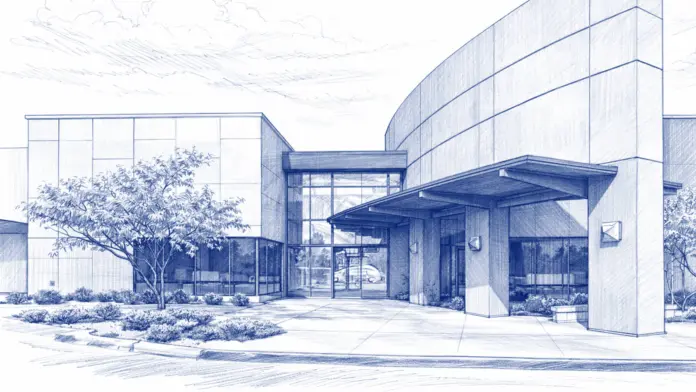
About Coastal Detox of Southern California
Coastal Detox of Southern California provides drug and alcohol rehab in San Diego, California. They offer comprehensive treatment with various care levels to help ensure guests receive the recovery assistance that is most appropriate for their needs.
Medications for Relief
Coast Detox offers Medication-assisted treatment (MAT) to help you through the withdrawal process. Addictions medications may help lessen symptoms and reduce drug cravings for guests struggling with opioid or alcohol addiction.
MAT also includes using behavioral therapy. Therapy can help address the root causes of substance use. Clients develop healthy coping skills for life’s stressors, recognize substance use triggers, and avoid potential relapse pitfalls after treatment.
24/7 Care and Support
At Coastal Detox, they offer programs that include 24/7 care and support. The center provides a tranquil setting and compassionate staff members who are eager to help you overcome substance use. I like that they also have specialized treatment services for women and LGBTQ individuals.
Residents can spend time working on their sobriety without outside distractions. They offer traditional and holistic treatments that allow clients an immersive experience. Not only do guests receive therapy, but they also learn life skills and educational principles that empower them and set the stage for ongoing sobriety.
The center also includes recreational activities, such as fitness therapy, to keep guests engaged in recovery and having a fun outlet outside of therapy rooms. Coastal Detox is near the San Diego Zoo and Presidio Park, where clients may have time to unwind, enjoy nature and continue their healing journey in a relaxing environment.
Facility Overview
 5 - 7
5 - 7 Latest Reviews



Rehab Score
 Our Methodology


Location
Accepted Insurance
Other Forms of Payment
Private insurance refers to any kind of healthcare coverage that isn't from the state or federal government. This includes individual and family plans offered by an employer or purchased from the Insurance Marketplace. Every plan will have different requirements and out of pocket costs so be sure to get the full details before you start treatment.
Self-pay involves paying for treatment out of your own pocket. You can use savings or credit, get a personal loan, or receive help from family and friends to fund your treatment. If you don't have insurance or your insurance plan doesn't cover a specific program, self-pay can help ensure you still get the care you need.
Financing your treatment can make treatment more accessible. You'll work with your care provider to set up payment plans, including interest rates and repayment timelines. Financing options vary widely and not all programs offer them, so be sure to get the full details before enrolling in treatment. If you have insurance or other benefits, financing may help you cover your remaining out of pocket expenses.
Addiction Treatments
Levels of Care
When addicted, quitting your drug of choice suddenly can be dangerous. That's why experts agree a medically assisted detox is the safest way to remove addictive substances from the body. Usually done in an inpatient setting, your vitals signs and overall well being are consistently monitored and rechecked in order to keep you safe and ensure the detox is successful.
Inpatient rehab provides intensive treatment for clients exiting detox, those in early recovery, and those at an elevated risk of relapse. Unlike outpatient drug rehab, clients receiving inpatient care reside at the facility for the duration of the program. The length of stay may range from two weeks to 18 months or more, depending on the client's needs and the program's design. Inpatient treatment typically involves extensive addiction education and recovery-focused life skills training.
Rehab aftercare programs offer clients in addiction recovery a robust continuum of care after clients have completed active treatment. These services address recovery as a life-long process and are designed to evolve with clients' changing needs. Clients may partner with their case managers and/or addiction recovery team to identify the rehab aftercare services that are right for them. They may receive career counseling, housing assistance, peer coaching, 12 step program induction, among many other services.
Treatments
Alcoholism, or alcohol use disorder (AUD), is defined by alcohol dependence. This is a state the body reaches when it experiences withdrawal symptoms in the absence of alcohol. A person who has AUD craves alcohol and continues to drink despite adverse consequences. Because withdrawing from alcohol can pose health risks, individuals with AUD should seek professional alcohol rehab in California to overcome their alcohol addiction. This process typically involves medical detox, rehabilitation, and maintenance.
 Opioid Addiction
In California, substance abuse treatment programs can help individuals with any type of substance use disorders and co-occurring conditions. These rehab programs typically encompass various levels of care, including medically assisted detox, intensive outpatient, outpatient, residential rehab, and partial hospitalization. You can expect clinicians to utilize evidence-based therapies like cognitive behavioral therapy (CBT), dialectical behavioral therapy (DBT), and mindfulness to help you achieve and sustain your recovery. The rehab's clinical team can provide a comprehensive assessment to determine the appropriate level of care and medical support you may need.
In California, dual-diagnosis addiction treatment programs offer comprehensive care for individuals with co-occurring mental health and substance use disorders. Programs include medically assisted detox, intensive outpatient, outpatient, residential rehab, and partial hospitalization. Using an evidence-based approach, clinicians utilize therapies like cognitive behavioral therapy, or dialectical behavioral therapy and mindfulness to address substance use disorders and co-occurring mental health challenges. Additional services include 12-Step recovery, group therapy, family counseling, and relapse prevention to promote sustained recovery.
Programs
Rehabs for women provide a safe, nurturing space for female clients to heal. These treatment programs consider the specific obstacles that women can face during recovery and place a special emphasis on mental, social, physical, and reproductive health. They explore how each woman's experience has shaped the trajectory of their substance use, addressing issues such as sexual abuse and past trauma.
Recovery is most successful when clients feel accepted and validated by their peers and treatment providers. Facilities that offer LGBTQ-inclusive programming are committed to creating a safe space where everyone can grow and recover without fear of judgment or discrimination. They will have dedicated policies in place to create a safe and supportive environment that fosters free expression.
Clinical Services
Cognitive behavioral therapy in California is a method that therapists often use for the effective treatment of substance use disorders. It is based on the principle that substance abuse stems from unhelpful ways of thinking and patterns of behavior, which can be changed by helping the individual learn better ways of coping.
While participating in dialectical behavior therapy in California, you'll focus on four key areas of skill development: mindfulness, interpersonal effectiveness, emotion regulation, and distress tolerance. Treatment includes weekly individual and group sessions.
Family therapy offers a platform for members to have an open dialogue about the challenges that addiction has placed on the family unit. Through guided sessions, therapists can help families develop healthy communication skills and address unresolved issues. By working together toward a common goal, they help to support their loved one's sobriety.
Individual therapy for drug addiction includes a customized treatment plan that considers your history and life circumstances. During your therapy sessions, the therapist helps you uncover underlying issues and triggers for addictive behavior that support a holistic approach to recovery.
Trauma therapy is a structured approach used by therapists to help you heal from a past traumatic event. Your therapist works with you to identify the traumatic memory and process the information so you experience emotional healing and a sense of safety and stability.
Amenities
-
 Gym
Gym -
 Yoga Studio
 -
 Art Activities
 -
 Beach Setting
 -
 Meditation Room
Contact Information


2574 Pico Way, San Diego, CA 92109
Sponsored Helpline

