






























































































One of the best centers and treatments I've ever been to. The only thing I would say ruined the experience was that the private place.
About Cornerstone of Care – Ozanam
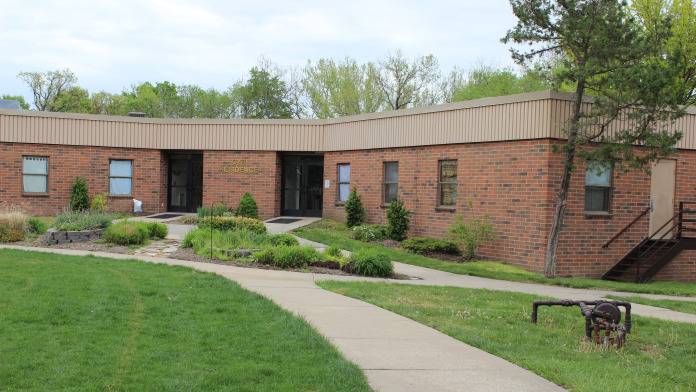
Children and adolescents can receive mental and behavioral care and treatment at Cornerstone of Care Ozanam in Kansas City, Missouri. Services here are built on a foundation of trauma informed care using the Sanctuary Model. Many clients are in foster care, have faced abuse or neglect or display challenging behaviors.
They accept Missouri Medicaid as well as other state and private insurance plans. I noticed that staff are available to help families navigate payment and insurance options.
Campus and Home Based Support for Youth
On campus living for six to 18 year olds with a current or past substance use issue is focused on prevention. They help kids maintain a sober lifestyle and develop healthier ways to cope. Residents in one of five dormitories have access to recreational facilities, a fully functioning greenhouse and a swimming pool.
If your child is at risk of being removed from your home for substance use or other mental and behavioral challenges, they provide short term crisis intervention services upon referral. I think it’s helpful that their intensive in-home services run for 4-6 weeks and are delivered entirely in the familiar surroundings of your home.
Innovative Care for Children and Families
Families often note that the staff are compassionate and create an atmosphere where children feel supported and understood. Many see the campus as more than a treatment center and as a place that encourages real healing and growth every day. One former client said, “One of the most impressive aspects is their commitment to innovative therapies. I am immensely grateful for the positive impact they have had in my life and community.”
Shoal Creek Neighborhood Parks and Culture
Nearby Minor Park is great for recreational activities like pickleball, golf and walking trails, and the Kansas City Zoo and Aquarium offer entertainment and education for families. If you’re interested in history and culture, visit the Ewing and Muriel Kauffman Memorial Garden for beautifully landscaped gardens and sculptures. The facility is also close to community resources and support services that contribute to an environment focused on healing and recovery.
Latest Reviews
Awesome nice staff helpful many exciting places..happy children attentive staff.
Very clean and nice environment
Every staff member I've met has been helpful, lovely, and smiling. Yes, the campus has some bumps and dings, even kids from the most stable backgrounds are careless. It makes sense, but people are working as hard as possible behind the scenes to fix those bumps and dings. The fact that there's a full size gym, a swimming pool that the kids have the opportunity to get into everyday in the summer and as many accoutrements of a family house as possible really makes what looks to me like the best out of a tough situation for some kids.
I loved ozanam they have helped my son tremendously. I was able to run my first 5K with my son. It is very easy for me to be able to call them family.

Rehab Score
 Our Methodology
Scoring is assigned by a proprietary system which helps surface key metrics that determine quality. The 10-point scale factors in categories such as operations, customer satisfaction, and trust metrics. Read Full Methodology

6.7 / 10
Gallery
Other Forms of Payment
Medicaid is a state based program that helps lower-income individuals and families pay for healthcare. Medicaid covers addiction treatment so those enrolled can use their coverage to pay for rehab. When a program accepts Medicaid the client often pays very little or nothing out of their own pocket.
Private insurance refers to any kind of healthcare coverage that isn't from the state or federal government. This includes individual and family plans offered by an employer or purchased from the Insurance Marketplace. Every plan will have different requirements and out of pocket costs so be sure to get the full details before you start treatment.
Self-pay involves paying for treatment out of your own pocket. You can use savings or credit, get a personal loan, or receive help from family and friends to fund your treatment. If you don't have insurance or your insurance plan doesn't cover a specific program, self-pay can help ensure you still get the care you need.
Financial aid can take many forms. Centers may have grants or scholarships available to clients who meet eligibility requirements. Programs that receive SAMHSA grants may have financial aid available for those who need treatment as well. Grants and scholarships can help you pai for treatment without having to repay.
Military members, veterans, and eligible dependents have access to specific insurance programs that help them get the care they need. TRICARE and VA insurance can help you access low cost or no cost addiction and mental health treatment. Programs that accept military insurance often have targeted treatment focused on the unique challenges military members, veterans, and their families face.
Addiction Treatments
Levels of Care
Outpatient Programs (OP) are for those seeking mental rehab or drug rehab, but who also stay at home every night. The main difference between outpatient treatment (OP) and intensive outpatient treatment (IOP) lies in the amount of hours the patient spends at the facility. Most of the time an outpatient program is designed for someone who has completed an inpatient stay and is looking to continue their growth in recovery. Outpatient is not meant to be the starting point, it is commonly referred to as aftercare.
Residential treatment programs are those that offer housing and meals in addition to substance abuse treatment. Rehab facilities that offer residential treatment allow patients to focus solely on recovery, in an environment totally separate from their lives. Some rehab centers specialize in short-term residential treatment (a few days to a week or two), while others solely provide treatment on a long-term basis (several weeks to months). Some offer both, and tailor treatment to the patient's individual requirements.
Treatments
The goal of treatment for alcoholism is abstinence. Those with poor social support, poor motivation, or psychiatric disorders tend to relapse within a few years of treatment. For these people, success is measured by longer periods of abstinence, reduced use of alcohol, better health, and improved social functioning. Recovery and Maintenance are usually based on 12 step programs and AA meetings.
Drug rehab in Missouri usually involves several phases: detox, rehab, and aftercare. The rehab phase may include a combination of inpatient and outpatient treatments, as the individual moves through a continuum of care on their recovery journey.
Many of those suffering from addiction also suffer from mental or emotional illnesses like schizophrenia, bipolar disorder, depression, or anxiety disorders. Rehab and other substance abuse facilities treating those with a dual diagnosis or co-occurring disorder administer psychiatric treatment to address the person's mental health issue in addition to drug and alcohol rehabilitation.
Opioid rehabs specialize in supporting those recovering from opioid addiction. They treat those suffering from addiction to illegal opioids like heroin, as well as prescription drugs like oxycodone. These centers typically combine both physical as well as mental and emotional support to help stop addiction. Physical support often includes medical detox and subsequent medical support (including medication), and mental support includes in-depth therapy to address the underlying causes of addiction.
Substance rehabs focus on helping individuals recover from substance abuse, including alcohol and drug addiction (both illegal and prescription drugs). They often include the opportunity to engage in both individual as well as group therapy.
Programs
Recovery is most successful when clients feel accepted and validated by their peers and treatment providers. Facilities that offer LGBTQ-inclusive programming are committed to creating a safe space where everyone can grow and recover without fear of judgment or discrimination. They will have dedicated policies in place to create a safe and supportive environment that fosters free expression.
Clinical Services
Group therapy is any therapeutic work that happens in a group (not one-on-one). There are a number of different group therapy modalities, including support groups, experiential therapy, psycho-education, and more. Group therapy involves treatment as well as processing interaction between group members.
Trauma therapy addresses traumatic incidents from a client's past that are likely affecting their present-day experience. Trauma is often one of the primary triggers and potential causes of addiction, and can stem from child sexual abuse, domestic violence, having a parent with a mental illness, losing one or both parents at a young age, teenage or adult sexual assault, or any number of other factors. The purpose of trauma therapy is to allow a patient to process trauma and move through and past it, with the help of trained and compassionate mental health professionals.
Staff
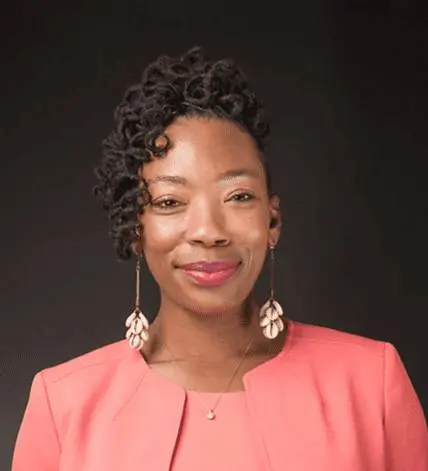
Merideth Rose
President & CEO
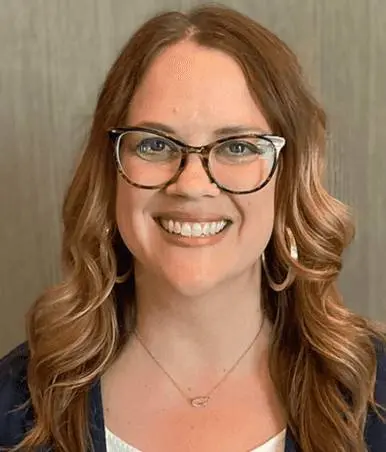
Jill Becl
CFO
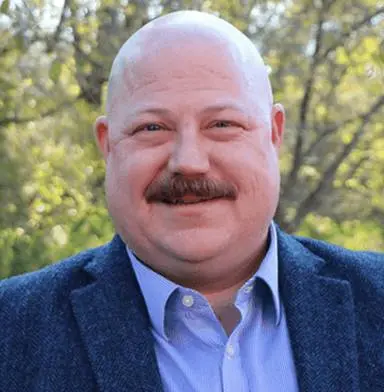
Chad Harris, Ed.D
Chief Development OFficer
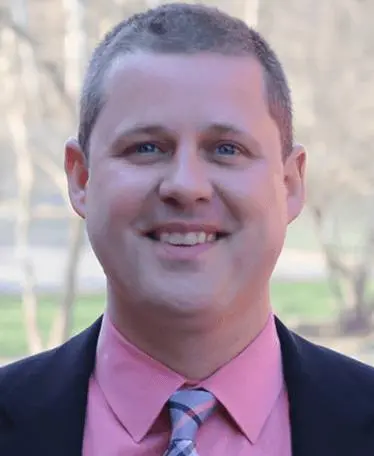
Justin Horton
Chief Programs & Innovations
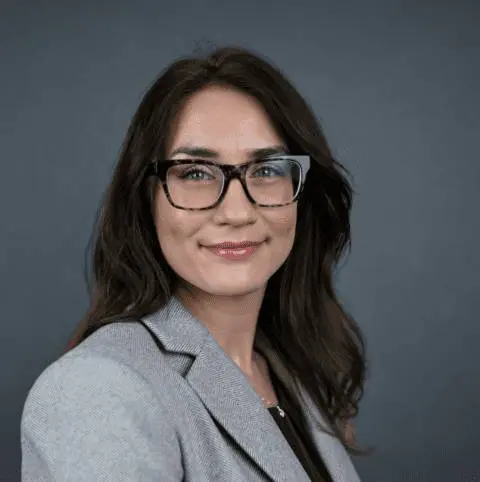
Sarah Scharinger
Chief Administrative Officer
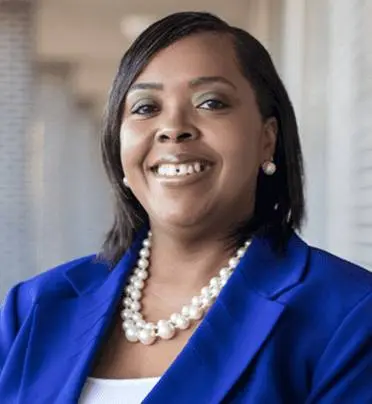
Jamie Stevens
Chief People Officer

Tiarra Anderson
Director of Information Technology
Sara Barnes
Senior Director of Outpatient Programs & Services
Rehab.com regularly reviews this listing for accuracy but changes may occur between updates. For the most up-to-date information, please contact Cornerstone of Care – Ozanam.
Contact Information

421 East 137 street
Kansas City, MO 64145
Get Help Now - 816-892-9904
Sponsored Helpline
Sponsored Helpline


