






























































































Going to Cottage Residential Center was the best decision I ever made. I tried to stop drinking on my own, but was powerless over alcohol, and unable to do it. I woke up one day and decided that I needed help, because I didn't know how to live without alcohol. I called and ...
About Cottage Residential Center
Cottage Residential Center is a licensed residential addiction treatment program in Santa Barbara, California operated by Cottage Health and accredited by The Joint Commission.
The center serves adults and young adults with substance use disorders and co-occurring mental health symptoms, blending medically supervised care, evidence based therapies and wellness practices.
With more than 45 years of experience, the program offers a hospital affiliated yet home like setting designed to support sustainable recovery.
Residential Substance Use Treatment
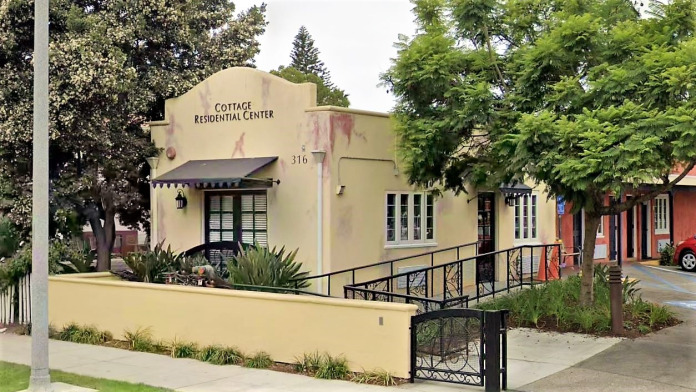
Cottage Residential Center provides short term residential care for up to 24 adults in private and semi private rooms, located just three blocks from the beach and near Santa Barbara Cottage Hospital.
The program combines medical oversight with a structured, community oriented environment.
Treatment integrates 12 step programs, individual and group therapy, acceptance and commitment therapy, mindfulness based relapse prevention, CBT and motivational interviewing.
Residents also engage in yoga and daily walks, experiential groups and community outings, and reviewers frequently highlight the program’s strong staff, structure and alumni support.
Family Involvement and Continuing Care
Family treatment, support and education are central to the program, helping loved ones participate meaningfully in the recovery process.
Discharge planning connects residents to intensive outpatient care through COPE Santa Barbara, community referrals and ongoing alumni support to reinforce long term sobriety.
Getting Started
Cottage Residential Center delivers in person residential treatment at 316 W. Montecito St. in Santa Barbara, with continuity of care extending across Cottage Health’s addiction and psychiatry services.
The program accepts TRICARE and TRICARE West, most private insurances and self pay with available payment plans.
Facility Overview
 578
578 Number of Available Beds
Latest Reviews
Clean date, 7/27/2017. This program worked for me after three attempts in other inpatient programs. If you're ready for recovery this is a great program that teaches you how to live life on a daily basis clean and sober after discharge.
Response from the owner1 week ago
Thank you for taking the time to leave Cottage Residential Center a positive review. We are thrilled to hear about your continued sobriety. Congratulations!
CRC is an outstanding rehab I highly recommend. The compassionate staff and serene location, just two blocks from the ocean, provide an ideal setting for recovery. Santa Barbara’s strong recovery community is bolstered by CRC’s dedicated doctors and therapists, who deliver personalized care through counseling, 12-step meetings, and therapies like stress management. Unlike some newer sober living facilities that lack sufficient support, CRC offers comprehensive programs and a robust support. Lots of alum in long term sobriety.
Response from the owner1 week ago
Drew, thank you for the wonderful feedback and recommendation. We’re proud of the care our team provides and appreciate your recognition of the supportive environment at CRC. It’s great to hear that our team and programs played a meaningful role in your experience. We’re especially grateful to our alumni who continue to lead by example and support others in their recovery. Thank you again for sharing your experience.
Let me be perfectly honest with this place. It’s the most beautiful and amazing place to get sober. I came here from 5Bath. My experience came in twofold first I was shunned by a bunch of patients who came in together. I didn’t care because about their issues. They were kicked out because of drugs. This place has saved my life with the most knowledgeable and caring staff. So don’t listen to people who were kicked out for not keeping this place safe. Please trust in what I am telling you. Great place to get your life back together. Thanks CRC

Rehab Score
 Our Methodology
Scoring is assigned by a proprietary system which helps surface key metrics that determine quality. The 10-point scale factors in categories such as operations, customer satisfaction, and trust metrics. Read Full Methodology

6.9 / 10
Gallery
Other Forms of Payment
 Monthly
Private insurance refers to any kind of healthcare coverage that isn't from the state or federal government. This includes individual and family plans offered by an employer or purchased from the Insurance Marketplace. Every plan will have different requirements and out of pocket costs so be sure to get the full details before you start treatment.
Self-pay involves paying for treatment out of your own pocket. You can use savings or credit, get a personal loan, or receive help from family and friends to fund your treatment. If you don't have insurance or your insurance plan doesn't cover a specific program, self-pay can help ensure you still get the care you need.
Military members, veterans, and eligible dependents have access to specific insurance programs that help them get the care they need. TRICARE and VA insurance can help you access low cost or no cost addiction and mental health treatment. Programs that accept military insurance often have targeted treatment focused on the unique challenges military members, veterans, and their families face.
Addiction Treatments
Levels of Care
Drug and alcohol addiction often takes a heavy toll on one's body. Over time, a physical dependence can develop, meaning the body physiologically needs the substance to function. Detox is the process of removing drugs and/or alcohol from the body, a process that can be lethal if mismanaged. Medical detox is done by licensed medical professionals who monitor vital signs and keep you safe, healthy, and as comfortable as possible as you go through detox and withdrawal.
Residential treatment programs are those that offer housing and meals in addition to substance abuse treatment. Rehab facilities that offer residential treatment allow patients to focus solely on recovery, in an environment totally separate from their lives. Some rehab centers specialize in short-term residential treatment (a few days to a week or two), while others solely provide treatment on a long-term basis (several weeks to months). Some offer both, and tailor treatment to the patient's individual requirements.
Intensive Outpatient Programs (IOP) are for those who want or need a very structured treatment program but who also wish to live at home and continue with certain responsibilities (such as work or school). IOP substance abuse treatment programs vary in duration and intensity, and certain outpatient rehab centers will offer individualized treatment programs.
Completing a drug or alcohol rehab program shouldn't spell the end of substance abuse treatment. Aftercare involves making a sustainable plan for recovery, including ongoing support. This can include sober living arrangements like halfway houses, career counseling, and setting a patient up with community programs like Alcoholics Anonymous (AA) or Narcotics Anonymous (NA).
Treatments
The goal of treatment for alcoholism is abstinence. Those with poor social support, poor motivation, or psychiatric disorders tend to relapse within a few years of treatment. For these people, success is measured by longer periods of abstinence, reduced use of alcohol, better health, and improved social functioning. Recovery and Maintenance are usually based on 12 step programs and AA meetings.
Drug rehab in California teaches participants constructive ways to stay clean and sober. Treatment revolves around helping individuals stop using the substance they are addicted to and learn healthy habits to avoid relapse.
A combined mental health and substance abuse rehab has the staff and resources available to handle individuals with both mental health and substance abuse issues. It can be challenging to determine where a specific symptom stems from (a mental health issue or an issue related to substance abuse), so mental health and substance abuse professionals are helpful in detangling symptoms and keeping treatment on track.
Opioid rehabs specialize in supporting those recovering from opioid addiction. They treat those suffering from addiction to illegal opioids like heroin, as well as prescription drugs like oxycodone. These centers typically combine both physical as well as mental and emotional support to help stop addiction. Physical support often includes medical detox and subsequent medical support (including medication), and mental support includes in-depth therapy to address the underlying causes of addiction.
Programs
Adult rehab programs include therapies tailored to each client's specific needs, goals, and recovery progress. They are tailored to the specific challenges adult clients may face, including family and work pressures and commitments. From inpatient and residential treatment to various levels of outpatient services, there are many options available. Some facilities also help adults work through co-occurring conditions, like anxiety, that can accompany addiction.
Young adulthood can be an exciting, yet difficult, time of transition. Individuals in their late teens to mid-20s face unique stressors related to school, jobs, families, and social circles, which can lead to a rise in substance use. Rehab centers with dedicated young adult programs will include activities and amenities that cater to this age group, with an emphasis on specialized counseling, peer socialization, and ongoing aftercare.
Clinical Services
Research clearly demonstrates that recovery is far more successful and sustainable when loved ones like family members participate in rehab and substance abuse treatment. Genetic factors may be at play when it comes to drug and alcohol addiction, as well as mental health issues. Family dynamics often play a critical role in addiction triggers, and if properly educated, family members can be a strong source of support when it comes to rehabilitation. Cottage Residential Center's program treats the whole family, encouraging successful outcomes for both the chemically dependent and the family. Families are encouraged to participate fully in an intensive program that consists of education, multi-family group therapy, discharge planning and involvement in lifetime care activities.
Group therapy is any therapeutic work that happens in a group (not one-on-one). There are a number of different group therapy modalities, including support groups, experiential therapy, psycho-education, and more. Group therapy involves treatment as well as processing interaction between group members.
In individual therapy, a patient meets one-on-one with a trained psychologist or counselor. Therapy is a pivotal part of effective substance abuse treatment, as it often covers root causes of addiction, including challenges faced by the patient in their social, family, and work/school life.
Amenities
-
 Private Setting
 -
 Private Rooms
Staff & Accreditations
Staff
Ronald C. Werft
President & CEO
Lisa Moore
Executive VP & COO
Kristin Tufvesson
Senior VP & CFO
Stacy Bratcher
Senior VP & General Counsel
Accreditations

The Joint Commission, formerly known as JCAHO, is a nonprofit organization that accredits rehab organizations and programs. Founded in 1951, the Joint Commision's mission is to improve the quality of patient care and demonstrating the quality of patient care.
Joint Commission Accreditation: Yes
Rehab.com regularly reviews this listing for accuracy but changes may occur between updates. For the most up-to-date information, please contact Cottage Residential Center.
Contact Information

316 West Montecito street
Santa Barbara, CA 93101
Get Help Now - 805-472-6108
Sponsored Helpline
Sponsored Helpline

