Get Help Now
Question iconSponsored Helpline
Phone icon 800-641-8351

Easterseals MORC

1685 Baldwin Rd, Suite A
Pontiac, MI 48340
Claim Profile
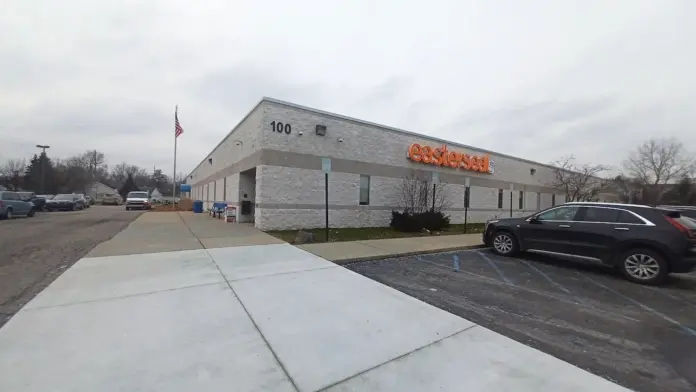
The facilities at Easterseals Michigan in Pontiac, MI 1

About Easterseals MORC

You’ll find Easterseals MORC in Pontiac, Michigan, just a 30 minute drive from Detroit. This nonprofit behavioral health provider has served adults, youth and families experiencing mental health conditions, addiction and developmental disabilities since 1920. You can always access their services, regardless of insurance or finances.

Their outpatient programs provide the flexibility to live at home and maintain responsibilities while attending treatment. You can participate in eight to 12 week programs at different intensity levels with group, individual and family counseling; psychiatric services; case management; and social service support. Each track helps you gain the knowledge, tools and strength to overcome addiction and sustain recovery.

What strikes me the most is their specialized military personnel and veteran services. Active military and veterans typically experience unique challenges that can contribute to substance abuse and mental health conditions like PTSD. They offer tailored care that accounts for these factors and meets you where you are in recovery. You can access proven therapeutic interventions including parenting skills groups and individual, group and family therapy.

Of these approaches their staging groups really caught my eye. If you’re not sure about quitting substances you can access education and other early intervention strategies to help you decide. I think this is a great option because starting recovery can be one of the hardest steps. You’ll benefit from ongoing encouragement and support to take the first step to a happier healthier life.

I also think their peer recovery support services are fantastic. You’ll connect with a certified peer who has lived experience in recovery. They act as a helpful advocate throughout your journey, offering support and resources to help you achieve your recovery goals. You can learn from their unique experiences to fuel your own success in recovery.

Similar Rehab Centers

Fact checked and written by:
Mariah Bourne, M.A.
Edited by:
Kerry Nenn, BSW

Latest Reviews

Victor scott jr
1 week ago on Google
3
a joke every now people are rude and completely don't care or unknowledgeable of how to help people or patients new or prior with anywhere and then all they do is their monthly jot down in your chart mental health help is becoming a joke now days it seems like as times goes on its insane truly and so is the mental health system to help people entirely it makes people want to just go untreated and that's sad entirely people loose their kids and family due to this mistreatment by staff and no help from anywhere including here I had a case back in December of 2023 reopened it they canceled it after Yvette the supervisor or manager told me I would be fine because I had only missed 2 appointments i have irritable bowel syndrome. So my stomach was upset, really bad. A few times with my appointments.Emmanuel deals who is the clinical services manager Or maybe the director manager director anyways he's higher level of clinical services. For this office, the director Victor Garcia. It was very understanding and tried to help me. But they all seemed like they were against me, and they kept saying, and reassuring me that they weren't. They are because they kept saying, ohh. Well, we have to have a way for insurance to cover it. No, what you're implying is you have to have a way for you to have your your jot down your monthly jot down is more important than my health issues. And that's the way it was at TTI and Oakland community health, which is the same thing. I had went through there as well. It's terrible. The mental health system has gone to hell and I just hate to say it. But it has, and the system is very crooked and messed up staff are unknowledgeable of how to help you when you start and then when you start getting services, this is how they treat you. My cousin went through here a long time ago. And I'm not going to say his name due to respect of him, but I will say a family member of mine is my cousin went here. A long time ago and he was treated poorly as well at this point. You know, people, that's why people commit suicide. That's why people have lifes lost a family members. Because the mental health system is supposed to be there to prevent suicide, not drive somebody to the point of committing suicide. Because there's no options, there's options. It's just you're treated like garbage for attempting to receive help and it's just insane, all of they care about is billing insurance. They don't care about you as a human. They can reassure you that a 110 times they don't care. They've shown me in more than two years that they don't care every mental health clinic that i've went through, they don't give a crap unfortunately about anybody and that's just sad, I had law enforcement that had told me an officer of my local police department. I know him well. Officer Bob had told me to seek services through anywhere. Just to get services because I have been struggling with depression after losing family members. And stuff like that, so just like anybody I suffered depression and anxiety. And then, of course, having irritable bowel syndrome that doesn't help that chronic condition. All the stress and then the supervisor Emanuel supervisor was very condescending and argumentative top of the morning argumentative, it's like seriously ma'am, like what the heck they don't have their ducks in a row. The system is so crooked and janky. The staff is janky how do you expect people not to commit suicide When they, it's supposed to be preventative measure for that. For people not to, but then you're treated like garbage for trying to get help to prevent it. Where does it make any sense or correspond at any given time with someone's life? Apparently it doesn't, and then they advertise that, like crazy, like it's the best thing in the world to go to Easter seals. It's not my friend went through here. People that I've known have gone through here. It's hell, it's like going through a prison. Rather, you're physically in the office or you're not. And it should not feel that way getting help with mental health is just insane entirely.
add tude
1 month ago on Google
1
My daughter receives in school visits from an Easter seal therapist... It's supposed to be weekly but, on average works out to every 3rd week. We are NEVER informed of cancellations! We simply have to wait for an explanation 2 -3 weeks later, when the therapist decides to show up! Not entirely sure how detrimental it is but I am assuming it does NOT contribute to improving her over all wellness!
Matthew Vibbard
1 month ago on Google
1
You people are pathetic and screw your policy. You're willing to let people go through withdrawals instead of helping to get refills. It takes hours, even days to get help. I'm ending my services. You don't care about the mental well-being of anyone.
Response from the owner1 week ago
Matthew, we have shared your review with the location so we can get a better understanding of your situation. Someone from the Pontiac location should be contacting you shortly to discuss this.
Rehab.com icon

Rehab Score

Question iconOur Methodology
Scoring is assigned by a proprietary system which helps surface key metrics that determine quality. The 10-point scale factors in categories such as operations, customer satisfaction, and trust metrics. Read Full MethodologyCaret icon
Gauge icon
7.1 / 10

Other Forms of Payment

Private insurance refers to any kind of healthcare coverage that isn't from the state or federal government. This includes individual and family plans offered by an employer or purchased from the Insurance Marketplace. Every plan will have different requirements and out of pocket costs so be sure to get the full details before you start treatment.

Self-pay involves paying for treatment out of your own pocket. You can use savings or credit, get a personal loan, or receive help from family and friends to fund your treatment. If you don't have insurance or your insurance plan doesn't cover a specific program, self-pay can help ensure you still get the care you need.

Financial aid can take many forms. Centers may have grants or scholarships available to clients who meet eligibility requirements. Programs that receive SAMHSA grants may have financial aid available for those who need treatment as well. Grants and scholarships can help you pai for treatment without having to repay.

Sliding scale payments are based on a client's income and family size. The goal is to make treatment affordable to everyone. By taking these factors into account, addiction recovery care providers help ensure that your treatment does not become a financial burden to you or your family, eliminating one barrier to care.

Medicare is a federal program that provides health insurance for those 65 and older. It also serves people under 65 with chronic and disabling health challenges. To use Medicare for addiction treatment you need to find a program that accepts Medicare and is in network with your plan. Out of pocket costs and preauthorization requirements vary, so always check with your provider.

Military members, veterans, and eligible dependents have access to specific insurance programs that help them get the care they need. TRICARE and VA insurance can help you access low cost or no cost addiction and mental health treatment. Programs that accept military insurance often have targeted treatment focused on the unique challenges military members, veterans, and their families face.

Medicaid is a state based program that helps lower-income individuals and families pay for healthcare. Medicaid covers addiction treatment so those enrolled can use their coverage to pay for rehab. When a program accepts Medicaid the client often pays very little or nothing out of their own pocket.

Addiction Treatments

Levels of Care

Outpatient Programs (OP) are for those seeking mental rehab or drug rehab, but who also stay at home every night. The main difference between outpatient treatment (OP) and intensive outpatient treatment (IOP) lies in the amount of hours the patient spends at the facility. Most of the time an outpatient program is designed for someone who has completed an inpatient stay and is looking to continue their growth in recovery. Outpatient is not meant to be the starting point, it is commonly referred to as aftercare.

Intensive Outpatient Programs (IOP) are for those who want or need a very structured treatment program but who also wish to live at home and continue with certain responsibilities (such as work or school). IOP substance abuse treatment programs vary in duration and intensity, and certain outpatient rehab centers will offer individualized treatment programs.

Clients engaged in a rehab aftercare program have already completed high-level treatment and have begun to develop essential recovery skills. Rehab aftercare services are designed to support clients' sustained sobriety as they reintegrate into their home, workplace, and community. Case managers, care teams, and clients design the customized service portfolio that will best support the client's long-term sobriety. Clients may receive peer coaching, 12 step program induction, vocational training, and relapse prevention services.

12 step programs are typically community-based and peer-led, though many rehabs base their treatment models on this approach. Participants engage in regular 12 step meetings, which are anonymous, free, and accessible multiple times a day, 365 days a year in most communities. Participants are also mentored by self-selected sponsors who support them as they work through the 12 steps of recovery, which include addressing the causes of the disease, taking personal responsibility, and relinquishing control.

Intervention services helps family or friends of addicts stage an intervention, which is a meeting in which loved ones share their concerns and attempt to get an addict into treatment. Professional intervention specialists can help loved ones organize, gather, and communicate with an addict. They can guide intervention participants in describing the damage the addict's behavior is causing and that outside help is necessary to address the addiction. The ideal outcome of an intervention is for the addict to go to rehab and get the help they need.

Treatments

The goal of treatment for alcoholism is abstinence. Those with poor social support, poor motivation, or psychiatric disorders tend to relapse within a few years of treatment. For these people, success is measured by longer periods of abstinence, reduced use of alcohol, better health, and improved social functioning. Recovery and Maintenance are usually based on 12 step programs and AA meetings.

Drug rehab in Michigan provides personalized treatment to help individuals break this cycle and regain control of their lives. Treatment methods are used in various levels of care, including inpatient rehab, partial hospitalization programs, intensive outpatient programs, and standard outpatient treatment.

Many of those suffering from addiction also suffer from mental or emotional illnesses like schizophrenia, bipolar disorder, depression, or anxiety disorders. Rehab and other substance abuse facilities treating those with a dual diagnosis or co-occurring disorder administer psychiatric treatment to address the person's mental health issue in addition to drug and alcohol rehabilitation.

A combined mental health and substance abuse rehab has the staff and resources available to handle individuals with both mental health and substance abuse issues. It can be challenging to determine where a specific symptom stems from (a mental health issue or an issue related to substance abuse), so mental health and substance abuse professionals are helpful in detangling symptoms and keeping treatment on track.

Opioid rehabs specialize in supporting those recovering from opioid addiction. They treat those suffering from addiction to illegal opioids like heroin, as well as prescription drugs like oxycodone. These centers typically combine both physical as well as mental and emotional support to help stop addiction. Physical support often includes medical detox and subsequent medical support (including medication), and mental support includes in-depth therapy to address the underlying causes of addiction.

Programs

Adult rehab programs include therapies tailored to each client's specific needs, goals, and recovery progress. They are tailored to the specific challenges adult clients may face, including family and work pressures and commitments. From inpatient and residential treatment to various levels of outpatient services, there are many options available. Some facilities also help adults work through co-occurring conditions, like anxiety, that can accompany addiction.

Young adulthood can be an exciting, yet difficult, time of transition. Individuals in their late teens to mid-20s face unique stressors related to school, jobs, families, and social circles, which can lead to a rise in substance use. Rehab centers with dedicated young adult programs will include activities and amenities that cater to this age group, with an emphasis on specialized counseling, peer socialization, and ongoing aftercare.

Recovery is most successful when clients feel accepted and validated by their peers and treatment providers. Facilities that offer LGBTQ-inclusive programming are committed to creating a safe space where everyone can grow and recover without fear of judgment or discrimination. They will have dedicated policies in place to create a safe and supportive environment that fosters free expression.

Serving in the military is both mentally and physically challenging, and can result in trauma that persists even after combat ends. Military programs are tailored to the specific and often complex needs of active duty personnel, veterans, and military families. Clients often access these programs through the U.S. Department of Veterans Affairs (VA).

Clinical Services

Cognitive behavioral therapy in Michigan helps participants view challenges more clearly so they can respond to them in healthy ways. During a limited number of structured sessions, clients learn about and practice these changes to effectively address substance use and mental health disorders.

Dialectical Behavior Therapy (DBT) is a modified form of Cognitive Behavioral Therapy (CBT), a treatment designed to help people understand and ultimately affect the relationship between their thoughts, feelings, and behaviors. DBT is often used for individuals who struggle with self-harm behaviors, such as self-mutilation (cutting) and suicidal thoughts, urges, or attempts. It has been proven clinically effective for those who struggle with out-of-control emotions and mental health illnesses like Borderline Personality Disorder.

Group therapy is any therapeutic work that happens in a group (not one-on-one). There are a number of different group therapy modalities, including support groups, experiential therapy, psycho-education, and more. Group therapy involves treatment as well as processing interaction between group members.

In individual therapy, a patient meets one-on-one with a trained psychologist or counselor. Therapy is a pivotal part of effective substance abuse treatment, as it often covers root causes of addiction, including challenges faced by the patient in their social, family, and work/school life.

Motivational Interviewing (MI) is a clinical approach to helping people with substance abuse issues and other conditions shift behavior in positive ways. It is more goal-oriented than traditional psychotherapy, as MI counselors directly attempt to get clients to consider making behavioral change (rather than wait for them to come to conclusions themselves). Its primary purpose is to resolve ambivalence and help clients become able to make healthy choices freely.

Trauma therapy addresses traumatic incidents from a client's past that are likely affecting their present-day experience. Trauma is often one of the primary triggers and potential causes of addiction, and can stem from child sexual abuse, domestic violence, having a parent with a mental illness, losing one or both parents at a young age, teenage or adult sexual assault, or any number of other factors. The purpose of trauma therapy is to allow a patient to process trauma and move through and past it, with the help of trained and compassionate mental health professionals.

Research clearly demonstrates that recovery is far more successful and sustainable when loved ones like family members participate in rehab and substance abuse treatment. Genetic factors may be at play when it comes to drug and alcohol addiction, as well as mental health issues. Family dynamics often play a critical role in addiction triggers, and if properly educated, family members can be a strong source of support when it comes to rehabilitation.

Life skills trainings involve all the skills a person must have in order to function successfully in the world. These include time management, career guidance, money management, and effective communication. Truly successful addiction recovery is based on the ability to not only live substance-free, but to thrive. Life skills teaches the practical necessities of functioning in society, which sets clients up for success in life, and therefore sobriety.

Amenities

  • car iconPrivate Transportation
  • home-setting iconResidential Setting

Staff & Accreditations

Staff

Michael Jacobson

Chairperson, BOD

Elizabeth Pyden

Vice Chairperson, BOD

Emil Kreycik

Treasurer, BOD

LaToya Stroker

Secretary, BOD

Scott Barnett

BOD

David Benoit

BOD

John Byrne

BOD

Accreditations

The Substance Abuse and Mental Health Services Administration (SAMHSA) is a branch of the U.S. Department of Health and Human Services. Established in 1992 by congress, SAMHSA's mission is to reduce the impact of substance abuse and mental illness on American's communities.

SAMHSA Listed: Yes

The Commission on Accreditation of Rehabilitation Facilities (CARF) is a non-profit organization that specifically accredits rehab organizations. Founded in 1966, CARF's, mission is to help service providers like rehab facilities maintain high standards of care.

CARF Accreditation: Yes
Accreditation Number: 221761

State Licenses are permits issued by government agencies that allow rehab organizations to conduct business legally within a certain geographical area. Typically, the kind of program a rehab facility offers, along with its physical location, determines which licenses are required to operate legally.

State License: Michigan

Contact Information

Building icon

1685 Baldwin Rd
Suite A
Pontiac, MI 48340

Explore Other Centers Near Pontiac

Reviews of Easterseals MORC

2.81/5 (62 reviews)
0
Staff
0
Amenities
0
Meals
0
Value
0
Cleanliness
5
26
4
3
3
4
2
3
1
33

Reviews

Overall Experience
Date Submitted
Reviewer

Google Reviews

2.81 (62 reviews)
Victor scott jr
1 week ago
1

A joke staff are rude and unprofessional are rude and completely don't care or unknowledgeable of how to help people or patients new or prior with anywhere and then all they do is their monthly jot down in your chart mental health help is becoming a joke now days it seems like as times goes on its insane truly and so is the mental health system to help people entirely it makes people want to just go untreated and that's sad entirely people loose their kids and family due to this mistreatment by staff and no help from anywhere including here I had a case back in December of 2023 reopened it they canceled it after Yvette the supervisor or manager told me I would be fine because I had only missed 2 appointments i have irritable bowel syndrome. So my stomach was upset, really bad. A few times with my appointments.Emmanuel deals who is the clinical services manager Or maybe the director manager director anyways he's higher level of clinical services. For this office, the director Victor Garcia. He was very understanding and tried to help me. But they all seemed like they were against me, and they kept saying things and trying to reassure me but they were not they kept saying, oh Well, we have to have a way for insurance to cover it. No, what you're implying is you have to have a way for you to have your your jot down your monthly jot down is more important than my health issues. And that's the way it was at TTI and Oakland community health, which is the same thing. I had went through there as well. It's terrible. The mental health system has gone to hell and I just hate to say it. But it has, and the system is very crooked and messed up staff are unknowledgeable of how to help you when you start and then when you start getting services, this is how they treat you. My cousin went through here a long time ago. And I'm not going to say his name due to respect of him, but I will say a family member of mine is my cousin went here. A long time ago and he was treated poorly as well at this point. You know, people, that's why people commit suicide. That's why people have lifes lost a family members. Because the mental health system is supposed to be there to prevent suicide, not drive somebody to the point of committing suicide. Because there's no options, there's options. It's just you're treated like garbage for attempting to receive help and it's just insane, all of they care about is billing insurance. They don't care about you as a human. They can reassure you that a 110 times they don't care. They've shown me in more than two years that they don't care every mental health clinic that i've went through, they don't give a crap unfortunately about anybody and that's just sad, I had law enforcement that had told me an officer of my local police department. I know him well. Officer Bob had told me to seek services through anywhere. Just to get services because I have been struggling with depression after losing family members. And stuff like that, so just like anybody I suffered depression and anxiety. And then, of course, having irritable bowel syndrome that doesn't help that chronic condition. All the stress and then the supervisor Emanuel his supervisor was very condescending and argumentative top of the morning argumentative, it's like seriously ma'am, like what the heck they don't have their ducks in a row. The system is so crooked and janky. The staff is janky how do you expect people not to commit suicide When they, it's supposed to be a preventative measure for that. For people not to, but then you're treated like garbage for trying to get help to prevent it. Where does it make any sense or correspond at any given time with someone's life? Apparently it doesn't, and then they advertise that, like crazy, like it's the best thing in the world to go to Easter seals. It's not my friend went through here. People that I've known have gone through here. It's hell, it's like going through a prison Then helping rather you're physically in the office or you're not. And it should not feel that way getting help its insane

Response from the owner
Victor, we have passed your review along to the directors of this location so they can look into this.
Victor scott jr
1 week ago
3

a joke every now people are rude and completely don't care or unknowledgeable of how to help people or patients new or prior with anywhere and then all they do is their monthly jot down in your chart mental health help is becoming a joke now days it seems like as times goes on its insane truly and so is the mental health system to help people entirely it makes people want to just go untreated and that's sad entirely people loose their kids and family due to this mistreatment by staff and no help from anywhere including here I had a case back in December of 2023 reopened it they canceled it after Yvette the supervisor or manager told me I would be fine because I had only missed 2 appointments i have irritable bowel syndrome. So my stomach was upset, really bad. A few times with my appointments.Emmanuel deals who is the clinical services manager Or maybe the director manager director anyways he's higher level of clinical services. For this office, the director Victor Garcia. It was very understanding and tried to help me. But they all seemed like they were against me, and they kept saying, and reassuring me that they weren't. They are because they kept saying, ohh. Well, we have to have a way for insurance to cover it. No, what you're implying is you have to have a way for you to have your your jot down your monthly jot down is more important than my health issues. And that's the way it was at TTI and Oakland community health, which is the same thing. I had went through there as well. It's terrible. The mental health system has gone to hell and I just hate to say it. But it has, and the system is very crooked and messed up staff are unknowledgeable of how to help you when you start and then when you start getting services, this is how they treat you. My cousin went through here a long time ago. And I'm not going to say his name due to respect of him, but I will say a family member of mine is my cousin went here. A long time ago and he was treated poorly as well at this point. You know, people, that's why people commit suicide. That's why people have lifes lost a family members. Because the mental health system is supposed to be there to prevent suicide, not drive somebody to the point of committing suicide. Because there's no options, there's options. It's just you're treated like garbage for attempting to receive help and it's just insane, all of they care about is billing insurance. They don't care about you as a human. They can reassure you that a 110 times they don't care. They've shown me in more than two years that they don't care every mental health clinic that i've went through, they don't give a crap unfortunately about anybody and that's just sad, I had law enforcement that had told me an officer of my local police department. I know him well. Officer Bob had told me to seek services through anywhere. Just to get services because I have been struggling with depression after losing family members. And stuff like that, so just like anybody I suffered depression and anxiety. And then, of course, having irritable bowel syndrome that doesn't help that chronic condition. All the stress and then the supervisor Emanuel supervisor was very condescending and argumentative top of the morning argumentative, it's like seriously ma'am, like what the heck they don't have their ducks in a row. The system is so crooked and janky. The staff is janky how do you expect people not to commit suicide When they, it's supposed to be preventative measure for that. For people not to, but then you're treated like garbage for trying to get help to prevent it. Where does it make any sense or correspond at any given time with someone's life? Apparently it doesn't, and then they advertise that, like crazy, like it's the best thing in the world to go to Easter seals. It's not my friend went through here. People that I've known have gone through here. It's hell, it's like going through a prison. Rather, you're physically in the office or you're not. And it should not feel that way getting help with mental health is just insane entirely.

add tude
1 month ago
1

My daughter receives in school visits from an Easter seal therapist... It's supposed to be weekly but, on average works out to every 3rd week. We are NEVER informed of cancellations! We simply have to wait for an explanation 2 -3 weeks later, when the therapist decides to show up! Not entirely sure how detrimental it is but I am assuming it does NOT contribute to improving her over all wellness!

Matthew Vibbard
1 month ago
1

You people are pathetic and screw your policy. You're willing to let people go through withdrawals instead of helping to get refills. It takes hours, even days to get help. I'm ending my services. You don't care about the mental well-being of anyone.

Response from the owner
Matthew, we have shared your review with the location so we can get a better understanding of your situation. Someone from the Pontiac location should be contacting you shortly to discuss this.
Overall Experience
Date Submitted
No reviews matching the selected filter!
Get Help Now
Question iconSponsored Helpline
Phone icon 800-641-8351
Left arrow iconBack

Write a review for Easterseals MORC

Sharing your insights and experiences can help others learn more about this rehab center.

Title of Your Review
This is a required field
Your Review

Reviews comments must comply with our Review Policy Content Standards. Please do not use names (job titles / positions are acceptable) of any individual or identifying features, abusive remarks, or allegations of negligence or criminal activity.

A minimum of 200 characters and max of 2,000 characters required.
This is a required field
How would you rate the facility on the following?*
Overall Experience
Must select a star rating
Accomodations & Amenities
Must select a star rating
Meals & Nutrition
N/A
Must select a star rating
Treatment Effectiveness
Must select a star rating
Admissions Process
Must select a star rating
Staff & Friendliness
Must select a star rating
Cleanliness
Must select a star rating
Value for Cost
Must select a star rating
What is your connection to this facility?
This is a required field
Your Name*
This is a required field
Your Email*
This is a required field
Spinner icon Submitting your review...
Thumbs up icon Your review was successfully submitted.

Nearby Featured Providers

Get Help Today Phone icon 800-847-1418
Question iconSponsored Helpline