















































































































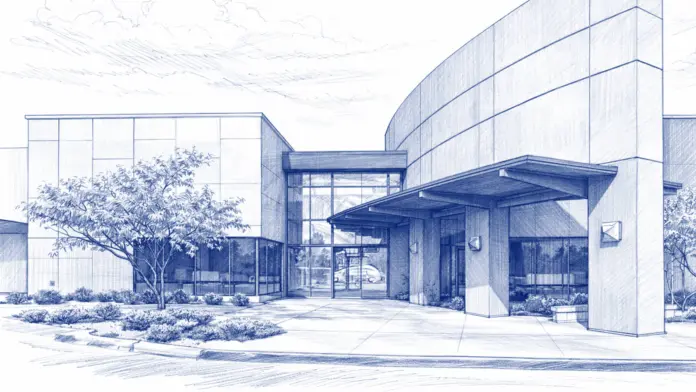
About Element Q Healing Center
Element Q is a substance abuse and mental health center that serves the LGBTQ+ community in San Diego, California. In addition to trauma informed LGBTQ+ care, they also offer gender affirming care as well.
Holistic Therapy Options
One of the standout features of Element Q Healing is the variety of holistic therapy options they offer. The treatments they offer include sound healing, breathwork and equine therapy.
The center has a Doctor of Chinese Medicine on staff to provide healing that addresses the mental, physical, and spiritual nature of recovery. Chinese Medicine implements methods, such as acupuncture, cupping and craniosacral acupressure, which may relieve pain and reduce stress.
Evidence Based Treatments
In addition to holistic therapy options the facility also offers evidence based treatments to support your healing. Counselors may use therapeutic approaches such as cognitive behavioral therapy and dialectical behavioral therapy. The facility incorporates restorative justice practices into their treatment to help clients address identity based harm and systemic discrimination.
Gender Affirming Care
Another unique feature of Element Q is the gender-affirming care offered. They honor your identity and embrace you with specialized treatment that allows you to be authentic. This service is available across the gender spectrum and helps with challenges the community often faces.
Former clients have mentioned feeling like part of a community and the caring, compassionate staff members. The center is near Torrey Pines State Reserve, where guests can hike, reflect, and enjoy the natural scenery that may promote recovery and healing.
Latest Reviews

Thank you so much for sharing your experience and for your continued support. Your confidence in our program means the world to our team!

We’re so grateful for your thoughtful review and your support of our work. Your feedback means a lot to us.

We’re so grateful for your thoughtful words. It means everything to know you felt affirmed, supported, and able to bring your whole self into the space at Element Q. Thank you for allowing us to be a part of your journey.

Rehab Score
 Our Methodology


Location
Accepted Insurance
Other Forms of Payment
Private insurance refers to any kind of healthcare coverage that isn't from the state or federal government. This includes individual and family plans offered by an employer or purchased from the Insurance Marketplace. Every plan will have different requirements and out of pocket costs so be sure to get the full details before you start treatment.
Self-pay involves paying for treatment out of your own pocket. You can use savings or credit, get a personal loan, or receive help from family and friends to fund your treatment. If you don't have insurance or your insurance plan doesn't cover a specific program, self-pay can help ensure you still get the care you need.
Addiction Treatments
Levels of Care
Commonly known as "day treatment," a partial hospitalization program (PHP) is an intensive form of outpatient treatment where clients meet during the day and return home in the evening. PHP treatment doesn't require 24-hour care and often serves as an alternative to inpatient hospitalization or a step-down after a residential program. With PHP treatment, you can receive daily support for 6 to 8 hours which includes evidence-based therapies and medication management. The cost of PHP treatment typically varies but averages 90 days.
Intensive outpatient programs (IOP) support a client's sustained sobriety as they exit detox or step down from an inpatient program. IOPs are also designed for clients who are at an elevated risk of relapse. Intensive outpatient treatment typically requires clients to engage in a minimum of nine hours of therapy per week, but clients may receive up to 20 therapeutic hours weekly. IOP treatment modalities often combine psychotherapy, recovery-focused life skills training, and medication assisted treatment (MAT).
Clients receiving treatment at an outpatient rehab typically do not require hospitalization or intensive supervision and support. Outpatient addiction counseling and recovery education are often offered during the morning, evening, night, and weekend, allowing clients to tailor treatment to their own schedule. Partial hospitalization (PHP) and intensive outpatient (IOP) programs are the most time-intensive and are designed for clients who are at an increased relapse risk and/or who need more robust therapeutic support.
Treatments
 Mental Health And Substance Abuse
In California, dual-diagnosis addiction treatment programs offer comprehensive care for individuals with co-occurring mental health and substance use disorders. Programs include medically assisted detox, intensive outpatient, outpatient, residential rehab, and partial hospitalization. Using an evidence-based approach, clinicians utilize therapies like cognitive behavioral therapy, or dialectical behavioral therapy and mindfulness to address substance use disorders and co-occurring mental health challenges. Additional services include 12-Step recovery, group therapy, family counseling, and relapse prevention to promote sustained recovery.
Inpatient treatment for drug and alcohol addiction with a focus on mental health is a good fit for people who need closer monitoring and care. Treatment may occur in a hospital setting, a clinic, or a luxury rehab center. Mental health counselors and staff are available 24/7. Therapies typically include group and individual counseling, relapse prevention education, and emotional coping skills training.
Programs
Recovery is most successful when clients feel accepted and validated by their peers and treatment providers. Facilities that offer LGBTQ-inclusive programming are committed to creating a safe space where everyone can grow and recover without fear of judgment or discrimination. They will have dedicated policies in place to create a safe and supportive environment that fosters free expression.
Clinical Services
Cognitive behavioral therapy in California is a method that therapists often use for the effective treatment of substance use disorders. It is based on the principle that substance abuse stems from unhelpful ways of thinking and patterns of behavior, which can be changed by helping the individual learn better ways of coping.
While participating in dialectical behavior therapy in California, you'll focus on four key areas of skill development: mindfulness, interpersonal effectiveness, emotion regulation, and distress tolerance. Treatment includes weekly individual and group sessions.
Amenities
-
 Acupuncture Room
Accreditations

The Joint Commission, formerly known as JCAHO, is a nonprofit organization that accredits rehab organizations and programs. Founded in 1951, the Joint Commision's mission is to improve the quality of patient care and demonstrating the quality of patient care.
Joint Commission Accreditation: Yes
Contact Information


3750 Convoy St # 310, San Diego, CA 92111
Sponsored Helpline
