





























































































Only good thing were a handful of really caring staff, most honestly could care less or were extremely dismissive if they learned you did not sign up for their 30 day program. They'll have 5 people corner you and yell at you that you're going to die for a half hour if you ...
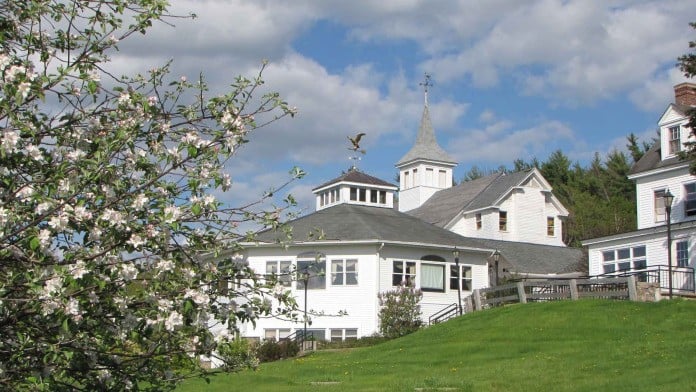
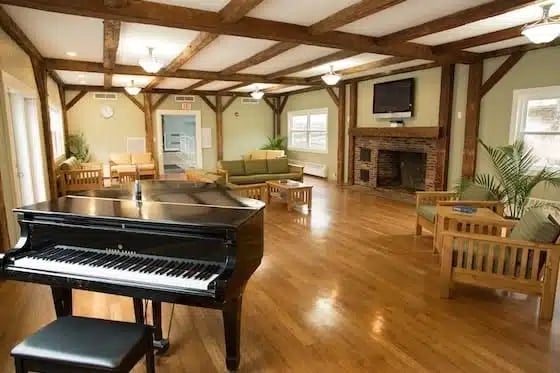
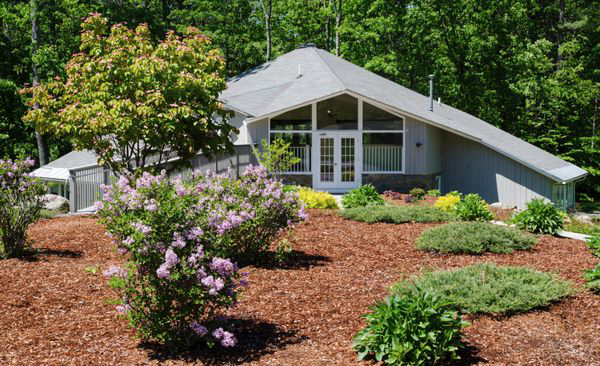
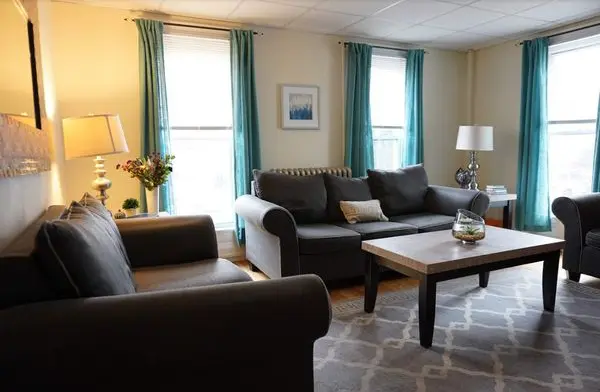
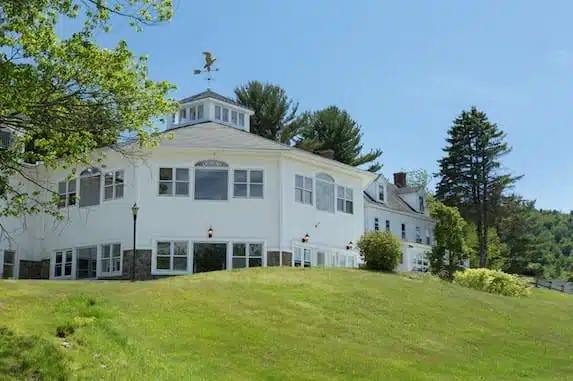
About Green Mountain Treatment Center – Inpatient Drug Detox & Alcohol Rehab
The center is an in network provider for many major insurances. They also take Medicaid. Be sure and verify your insurance with them before you begin care.
If you don’t need any major medical intervention, you can get medical detox at the treatment center. They’re a licensed medical facility. Detox can be an uncomfortable process, but they’ll help ease your symptoms with medications. They give you 24 hour medical monitoring and a structured setting during detox. The process usually takes a few days but can take longer.
After detox, the staff determines whether you need long term or short term residential treatment. Long term treatment is 30 days or longer. Short term residential treatment is usually three to six weeks.
The residential treatment program offers a structured environment with therapy customized to your needs. You may engage in dialectical behavior therapy or cognitive behavioral therapy. Dialectical therapy helps you learn to manage your emotions, and cognitive behavioral therapy helps you with your thinking processes and leads to better problem solving abilities.
The treatment center also has a partial hospitalization program (PHP) and an intensive outpatient program (IOP). A PHP is good if you need a step down program after being in the residential program. It’s also good if you need a more structured program but don’t need the full residential program.
The IOP is less intensive and requires about 10 hours a week of treatment, including group and individual therapy. This program is great if you need help but you don’t need the intensity of the other programs.
All the programs at the center are CARF accredited. They use evidence based treatment modalities and address issues such as depression, grief, loss and trauma. They’ll help you understand your dual diagnosis so you can get your mental health and substance use issues under control.
Facility Overview
 16-30
16-30 Number of Available Beds
 31 - 60
 Avg Length of Stay in Days

Rehab Score
 Our Methodology
Scoring is assigned by a proprietary system which helps surface key metrics that determine quality. The 10-point scale factors in categories such as operations, customer satisfaction, and trust metrics. Read Full Methodology

6.2 / 10
Gallery

Accepted Insurance

Fallon Health
AllWays Health Partners
WellSense
Other Forms of Payment
Self-pay involves paying for treatment out of your own pocket. You can use savings or credit, get a personal loan, or receive help from family and friends to fund your treatment. If you don't have insurance or your insurance plan doesn't cover a specific program, self-pay can help ensure you still get the care you need.
Private insurance refers to any kind of healthcare coverage that isn't from the state or federal government. This includes individual and family plans offered by an employer or purchased from the Insurance Marketplace. Every plan will have different requirements and out of pocket costs so be sure to get the full details before you start treatment.
Medicare is a federal program that provides health insurance for those 65 and older. It also serves people under 65 with chronic and disabling health challenges. To use Medicare for addiction treatment you need to find a program that accepts Medicare and is in network with your plan. Out of pocket costs and preauthorization requirements vary, so always check with your provider.
Medicaid is a state based program that helps lower-income individuals and families pay for healthcare. Medicaid covers addiction treatment so those enrolled can use their coverage to pay for rehab. When a program accepts Medicaid the client often pays very little or nothing out of their own pocket.
Private insurance refers to any kind of healthcare coverage that isn't from the state or federal government. This includes individual and family plans offered by an employer or purchased from the Insurance Marketplace. Every plan will have different requirements and out of pocket costs so be sure to get the full details before you start treatment.
Addiction Treatments
Levels of Care
Their physician managed, medical detoxification uses the utmost care to help our clients safely traverse the withdrawal process while minimizing discomfort. Their team of medical experts include: Physicians, Nurse Practitioners, Registered Nurses, and Licensed Nursing Assistants.
Residential treatment programs are those that offer housing and meals in addition to substance abuse treatment. Rehab facilities that offer residential treatment allow patients to focus solely on recovery, in an environment totally separate from their lives. Some rehab centers specialize in short-term residential treatment (a few days to a week or two), while others solely provide treatment on a long-term basis (several weeks to months). Some offer both, and tailor treatment to the patient's individual requirements.
Green Mountain Treatment Center is a 12-Step Centered program, which means that their clinical treatment is based fully on 12-step principles and traditions. While it is absolutely true that treatment is not a 12-step group or program, it should be vastly different, it is also true that the 12 steps should not be a suggestion on an aftercare plan. The reality is that without a daily design for living in full practice the disease of addiction, which centers in the mind and feeds on gratification, will go untreated and more often than not relapse will occur.
No one leaves treatment successfully without agreement to a copious Aftercare Plan which the client will assist in designing and includes ongoing recovery supports services and a Recovery-Oriented System of Care (ROSC). This could mean further extended care treatment at downstream providers, referral to IOP and/or sober living facilities, and other Continuum of Care solutions.
Intervention services helps family or friends of addicts stage an intervention, which is a meeting in which loved ones share their concerns and attempt to get an addict into treatment. Professional intervention specialists can help loved ones organize, gather, and communicate with an addict. They can guide intervention participants in describing the damage the addict's behavior is causing and that outside help is necessary to address the addiction. The ideal outcome of an intervention is for the addict to go to rehab and get the help they need.
Outpatient Programs (OP) are for those seeking mental rehab or drug rehab, but who also stay at home every night. The main difference between outpatient treatment (OP) and intensive outpatient treatment (IOP) lies in the amount of hours the patient spends at the facility. Most of the time an outpatient program is designed for someone who has completed an inpatient stay and is looking to continue their growth in recovery. Outpatient is not meant to be the starting point, it is commonly referred to as aftercare.
Intensive outpatient programs (IOP) offer high-level transitional support for clients exiting inpatient rehab. They can also be effective for clients at significant relapse risk Intensive outpatient treatment typically involves between nine and 20 hours of care per week, with the frequency and intensity of treatment decreasing as clients progress in their recovery. Most IOP clients participate in a combination of psychotherapy, recovery education, holistic therapies, and, for some, medication assisted treatment (MAT).
If you need short-term intensive rehabilitation care that allows you to return home at the end of the day, a partial hospitalization program (PHP) is the ideal solution. PHP provides structured programming that typically includes therapeutic services, relapse prevention, and medication management. Typically, treatment can run between 3-5 days a week for an average of 90 days. The cost for a partial hospitalization program can vary, but is often covered by providers.
Residents of a sober living home in New Hampshire commit to abstaining from drug and alcohol use and to abiding by the house rules. This communal living environment, also called a halfway house, provides a supportive community where people in recovery can start a new life free from substances. Typical house rules include individual room maintenance, shared meal times, curfews, and 12-step meeting attendance.
Treatments
The goal of treatment for alcoholism is abstinence. Those with poor social support, poor motivation, or psychiatric disorders tend to relapse within a few years of treatment. For these people, success is measured by longer periods of abstinence, reduced use of alcohol, better health, and improved social functioning. Recovery and Maintenance are usually based on 12 step programs and AA meetings.
Treatment provided at drug rehab in New Hampshire prepares individuals to handle life stressors without using substances. Participants get the tools and support they need to maintain lifelong recovery.
At GMTC, they understand the relationship between addiction and other issues, and their clinical team is prepared to deal with them in an effective way. This process begins with clearing the body of substances, and on to various assessments and evaluations to determine what’s going on, followed by applying a comprehensive treatment plan.
Opioid rehabs specialize in supporting those recovering from opioid addiction. They treat those suffering from addiction to illegal opioids like heroin, as well as prescription drugs like oxycodone. These centers typically combine both physical as well as mental and emotional support to help stop addiction. Physical support often includes medical detox and subsequent medical support (including medication), and mental support includes in-depth therapy to address the underlying causes of addiction.
Substance rehabs focus on helping individuals recover from substance abuse, including alcohol and drug addiction (both illegal and prescription drugs). They often include the opportunity to engage in both individual as well as group therapy.
Programs
Adult rehab programs include therapies tailored to each client's specific needs, goals, and recovery progress. They are tailored to the specific challenges adult clients may face, including family and work pressures and commitments. From inpatient and residential treatment to various levels of outpatient services, there are many options available. Some facilities also help adults work through co-occurring conditions, like anxiety, that can accompany addiction.
Young adulthood can be an exciting, yet difficult, time of transition. Individuals in their late teens to mid-20s face unique stressors related to school, jobs, families, and social circles, which can lead to a rise in substance use. Rehab centers with dedicated young adult programs will include activities and amenities that cater to this age group, with an emphasis on specialized counseling, peer socialization, and ongoing aftercare.
Recovery is most successful when clients feel accepted and validated by their peers and treatment providers. Facilities that offer LGBTQ-inclusive programming are committed to creating a safe space where everyone can grow and recover without fear of judgment or discrimination. They will have dedicated policies in place to create a safe and supportive environment that fosters free expression.
Clinical Services
Cognitive Behavioral Therapy (CBT) is a therapy modality that focuses on the relationship between one's thoughts, feelings, and behaviors. It is used to establish and allow for healthy responses to thoughts and feelings (instead of unhealthy responses, like using drugs or alcohol). CBT has been proven effective for recovering addicts of all kinds, and is used to strengthen a patient's own self-awareness and ability to self-regulate. CBT allows individuals to monitor their own emotional state, become more adept at communicating with others, and manage stress without needing to engage in substance abuse.
Creativity is inherently healing, and can help those in recovery express thoughts or feelings they might not otherwise be able to. Creative arts therapy can include music, poetry/writing, painting, sculpting, dance, theater, sandplay, and more. Unlike traditional art, the final product matters far less than the experience of creation and expression itself.
Dialectical Behavior Therapy (DBT) is a modified form of Cognitive Behavioral Therapy (CBT), a treatment designed to help people understand and ultimately affect the relationship between their thoughts, feelings, and behaviors. DBT is often used for individuals who struggle with self-harm behaviors, such as self-mutilation (cutting) and suicidal thoughts, urges, or attempts. It has been proven clinically effective for those who struggle with out-of-control emotions and mental health illnesses like Borderline Personality Disorder.
Group therapy is any therapeutic work that happens in a group (not one-on-one). There are a number of different group therapy modalities, including support groups, experiential therapy, psycho-education, and more. Group therapy involves treatment as well as processing interaction between group members.
In individual therapy, a patient meets one-on-one with a trained psychologist or counselor. Therapy is a pivotal part of effective substance abuse treatment, as it often covers root causes of addiction, including challenges faced by the patient in their social, family, and work/school life.
Motivational Interviewing (MI) is a clinical approach to helping people with substance abuse issues and other conditions shift behavior in positive ways. It is more goal-oriented than traditional psychotherapy, as MI counselors directly attempt to get clients to consider making behavioral change (rather than wait for them to come to conclusions themselves). Its primary purpose is to resolve ambivalence and help clients become able to make healthy choices freely.
GMTC has a full kitchen staff, lead by their professional chef, which serves all meals three times per day. Their menus have been designed by a licensed dietitian and meet all standards of nutrition and taste. They realize that stepping into recovery starts with taking care of their bodies, and they have taken special care to be sure their clients are eating right and well.
Trauma therapy addresses traumatic incidents from a client's past that are likely affecting their present-day experience. Trauma is often one of the primary triggers and potential causes of addiction, and can stem from child sexual abuse, domestic violence, having a parent with a mental illness, losing one or both parents at a young age, teenage or adult sexual assault, or any number of other factors. The purpose of trauma therapy is to allow a patient to process trauma and move through and past it, with the help of trained and compassionate mental health professionals.
When you develop life skills during drug rehab in New Hampshire, you learn how to adapt to challenging situations and tasks. You learn coping strategies and techniques that allow you to live a healthy, sober lifestyle.
Amenities
-
 Private Setting
 -
 Yoga Studio
 -
 Private Transportation
 -
 Gym
Gym -
 Residential Setting
 -
 Private Rooms
Staff & Accreditations
Staff
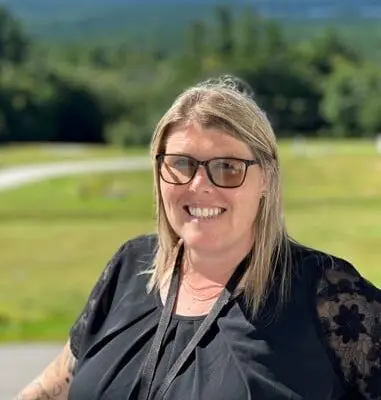
Erica Miller
Director of Operations
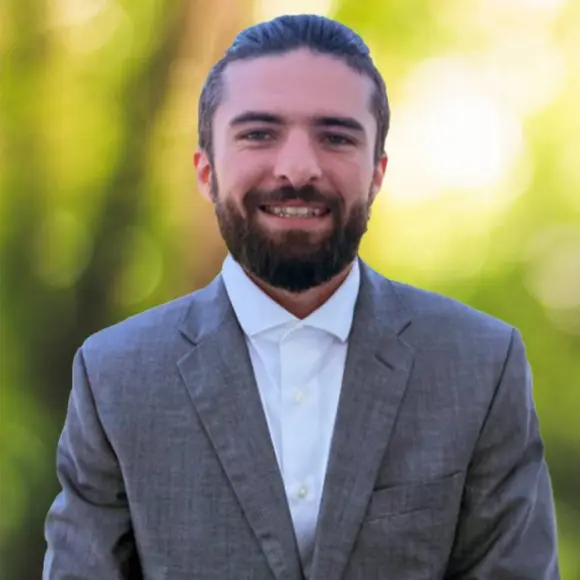
Keegan Rawlins, CFI, CRC
Client Care Manager
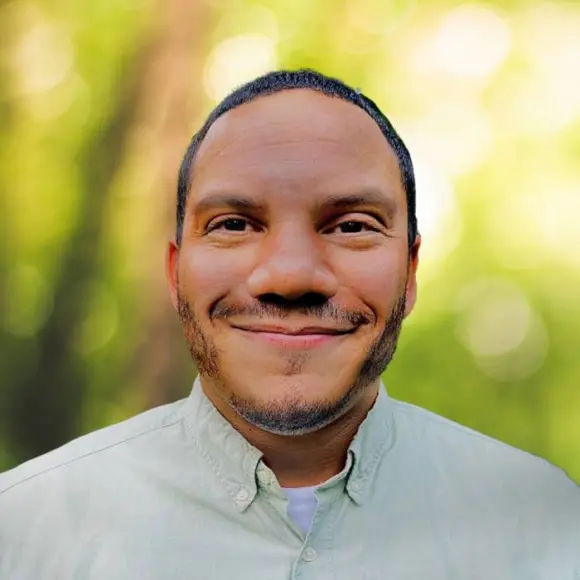
Jermol Mojica, CFI
Director of Case Management
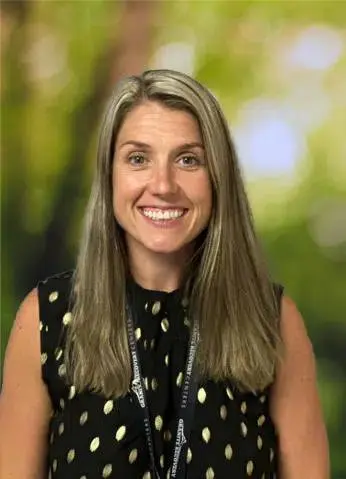
Keri George, BS
Director of Nursing

Robert Arnold
Director of 12-Step
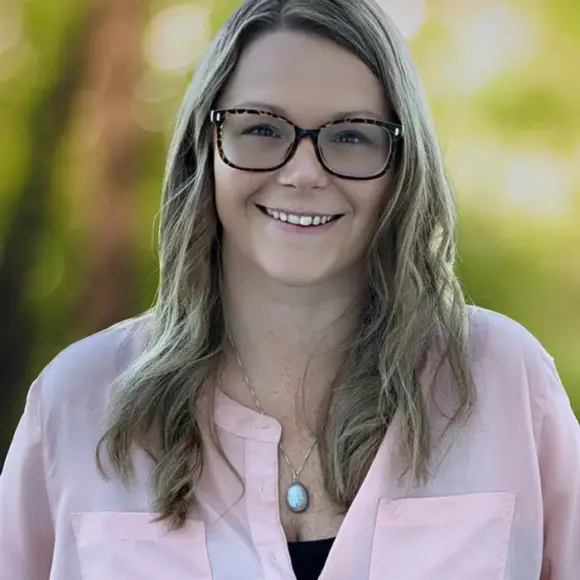
Michelle Peare, MSW, MLADC
Clinical Director

Katie Del Rio, MSCP
Program Director
Accreditations

The Commission on Accreditation of Rehabilitation Facilities (CARF) is a non-profit organization that specifically accredits rehab organizations. Founded in 1966, CARF's, mission is to help service providers like rehab facilities maintain high standards of care.
CARF Accreditation: Yes
Accreditation Number: 274152

The Substance Abuse and Mental Health Services Administration (SAMHSA) is a branch of the U.S. Department of Health and Human Services. Established in 1992 by congress, SAMHSA's mission is to reduce the impact of substance abuse and mental illness on American's communities.
SAMHSA Listed: Yes
Rehab.com regularly reviews this listing for accuracy but changes may occur between updates. For the most up-to-date information, please contact Green Mountain Treatment Center – Inpatient Drug Detox & Alcohol Rehab.
Contact Information

244 High Watch Road
Effingham, NH 03882
Get Help Now - 603-922-7160
Sponsored Helpline
Sponsored Helpline



