





























































































About Guiding Road Recovery Center
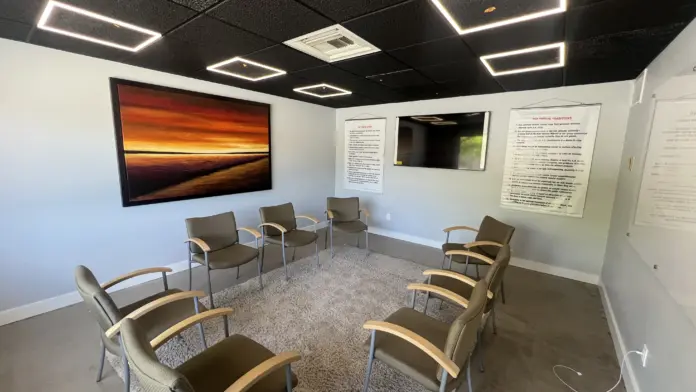
Located in Phoenix, Arizona, Guiding Road Recovery Center provides a full continuum of care to those with co-occurring mental health and substance use disorders. Joint Commission accredited, they offer a homelike and restorative environment on a safe, secure campus with controlled access. Financial counselors are available to discuss payment plans, and verification of benefits is provided as part of the admissions process.
Individually Tailored, Holistic Approach
Medically supervised detox is available to help clients navigate withdrawal symptoms safely and comfortably. They also provide residential, outpatient, intensive outpatient, and partial hospitalization programs.
Treatment is individually tailored and focuses on personal growth and life skills development, using modalities such as cognitive behavioral therapy (CBT), dialectical behavioral therapy (DBT) and 12 step integration. There’s an emphasis on relapse prevention planning and family involvement. I was impressed with their list of holistic services, including yoga, sound baths, acupuncture, and art therapy.
Welcoming, Nonjudgemental Environment
The facility has positive reviews from former clients, with many praising the compassionate clinical staff and their dedication to long term recovery. They highlight the individually tailored care and the welcoming, nonjudgemental environment. Several cite a feeling of safety, crediting the program with helping to rebuild their lives.
Phoenix is home to a number of outdoor spaces that may compliment your recovery journey. Desert Botanical Gardens showcase cacti, succulents and other local plants providing a family friendly environment that’s equally conducive to quiet contemplation. Camelback Mountain features intense trails with stunning ridge views, as well as beginner friendly paths around the mountain’s base.
Latest Reviews



Rehab Score
 Our Methodology


Gallery






Accepted Insurance
Other Forms of Payment
Self-pay involves paying for treatment out of your own pocket. You can use savings or credit, get a personal loan, or receive help from family and friends to fund your treatment. If you don't have insurance or your insurance plan doesn't cover a specific program, self-pay can help ensure you still get the care you need.
Private insurance refers to any kind of healthcare coverage that isn't from the state or federal government. This includes individual and family plans offered by an employer or purchased from the Insurance Marketplace. Every plan will have different requirements and out of pocket costs so be sure to get the full details before you start treatment.
Sliding scale payments are based on a client's income and family size. The goal is to make treatment affordable to everyone. By taking these factors into account, addiction recovery care providers help ensure that your treatment does not become a financial burden to you or your family, eliminating one barrier to care.
Military members, veterans, and eligible dependents have access to specific insurance programs that help them get the care they need. TRICARE and VA insurance can help you access low cost or no cost addiction and mental health treatment. Programs that accept military insurance often have targeted treatment focused on the unique challenges military members, veterans, and their families face.
Private insurance refers to any kind of healthcare coverage that isn't from the state or federal government. This includes individual and family plans offered by an employer or purchased from the Insurance Marketplace. Every plan will have different requirements and out of pocket costs so be sure to get the full details before you start treatment.
Addiction Treatments
Levels of Care
Many clients who enroll in an outpatient rehab program are exiting intensive inpatient care and no longer require such high-level clinical supervision. Outpatient programs typically follow a step-down structure, with treatment frequency and intensity decreasing as clients progress in their recovery journey. Partial hospitalization (PHP) and intensive outpatient (IOP) levels of care are the most time-intensive and are designed primarily for clients who have just left inpatient treatment or who are at an elevated risk of relapse.
Rehab aftercare programs support clients’ successful reintegration into their home, workplace, and community. Drug rehab aftercare presumes that recovery requires life-long support. These programs typically offer a wide variety of services customized for the clients’ unique and evolving needs. Clients may receive vocational training and career counseling, housing assistance, legal aid, peer coaching, and 12 step program induction, among other services. Clients’ case managers often play a lead role in rehab aftercare planning.
Intensive inpatient programs (IOP) offer high-level support for clients in early recovery, those exiting detox or inpatient rehabs, and those at an elevated risk of relapse. Intensive outpatient treatment typically includes rigorous individual, group, and family counseling. Evidence-based complementary therapies, such as acupuncture and massage, are widely available. Medication assisted treatment (MAT) may be provided. Clients in IOP receive a minimum of nine hours of treatment per week but may engage in up to 20 treatment hours weekly.
Many addiction recovery centers base their treatment modalities on the 12 step program model, and those in treatment often transition to community-based programs. These programs can also be effective for clients who choose not to enter rehab. Traditionally, 12 step meetings are designed to provide intensive peer support whenever it is needed. In addition to group meetings and peer sponsorship, participants "work the steps" to achieve recovery through a systematic healing of the mind, body, and spirit.
If you're struggling with adjusting to daily life after inpatient rehab, a sober living home in Arizona may be a good option. These residences offer an in-between option where you can practice the skills you learned in rehab in a structured, drug-free environment. This transition can help you prepare to face the "real world" after treatment. You'll live with others in recovery and follow house rules such as contributing to chores and paying rent.
If a person denies their substance abuse behavior when confronted one-on-one, a drug intervention in Arizona may be necessary. An intervention may be formally planned with intervention services from a professional who can guide loved ones through this process. The intervention involves confronting someone with how their drinking or drug use has affected themselves and everyone around them and encourages them to get treatment.
A partial hospitalization program (PHP) offers a short-term alternative to inpatient treatment or a step-down option after a residential program. With PHP treatment, you'll receive 6 to 8 hours of daily support, up to 5 days a week. The duration of a partial hospitalization program can vary with the average length being 90 days. While commuting is necessary, some programs also offer telehealth options. PHP treatment is often covered by insurance and typically offers medication management, relapse prevention techniques, and behavioral therapy.
Telehealth in Arizona lets you speak with your health care provider online via smartphone or computer. You can call, video chat, or send messages from wherever is convenient for you, rather than seeing your provider in person.
Inpatient rehab is designed primarily for persons in early recovery and those who are exiting detox programs. It's ideal for clients in crisis or at an elevated risk of relapse. Inpatient treatment centers provide housing and meals, allowing clients to focus on their recovery away from distractions and addiction triggers. Clients engage in intensive psychotherapy, and many inpatient programs feature recovery-focused life skills training and/or complementary therapies like meditation, creative arts therapy, and other holistic treatments.
The safest way to remove addictive substances from your body is done under the care of licensed medical professionals. Known as medically assisted detox, this level of care is typically in an inpatient setting with a team of medical experts that may include doctors, nurses, and mental health clinicians. Medications like Suboxone, methadone, or Vivitrol may be administered to help alleviate withdrawal symptoms.
Treatments
Alcohol use disorder (AUD), also referred to as alcoholism and alcohol addiction, is a chronic condition that involves craving alcohol and an inability to control drinking. A person with AUD must drink greater and greater amounts of alcohol to achieve the same effects and experiences withdrawal symptoms if they stop drinking alcohol. Several evidence-based methods are available to treat AUD through alcohol rehab in Arizona. This treatment can occur on an outpatient or inpatient basis.
Individuals who attend opioid rehab in Arizona are provided a safe and comfortable environment where they can focus on sobriety. The goal of treatment is to address issues that drive dependence and help individuals learn how to live independent from opioid use.
Drug rehab in Arizona is the process of treating individuals who are dependent on a particular addictive drug. Because addiction is complex, this treatment typically includes a variety of interventions that address the many physical and emotional issues involved.
Dual-diagnosis addiction treatment in Arizona provides integrated care for individuals with co-occurring substance use disorders and mental health conditions. Services may include medically assisted detox, 12-Step recovery, intensive outpatient programs, and aftercare support. Addiction experts use evidence-based therapies, like cognitive behavioral therapy, or dialectical behavioral therapy, and trauma-focused therapy, to simultaneously address substance use and mental health disorders. This comprehensive approach to treatment helps to ensure sustained recovery.
Arizona's substance abuse treatment centers can provide tailored treatment for individuals with substance use disorders and mental health conditions. Treatment programs may include medically assisted detox, 12-Step recovery, intensive outpatient programs, and aftercare support. Addiction experts employ evidence-based therapies like cognitive behavioral therapy (CBT), dialectical behavioral therapy (DBT), and talk therapy to uncover and reframe unhelpful patterns. By graduation, you'll have developed new coping strategies, learned new stress management techniques, and have the capability of sustaining your recovery.
Treatment for addiction includes mental health services that are provided while during your stay at the facility. This may be a hospital, clinic, or a luxury treatment center setting. You receive 24-hour support and monitoring by mental health counselors and clinical staff. Most inpatient programs last 30 days, but some can last for two months or longer. Mental health is addressed during treatment via group and individual counseling, addiction education programming, and often recreational activities.
Programs
Adult rehab programs include therapies tailored to each client's specific needs, goals, and recovery progress. They are tailored to the specific challenges adult clients may face, including family and work pressures and commitments. From inpatient and residential treatment to various levels of outpatient services, there are many options available. Some facilities also help adults work through co-occurring conditions, like anxiety, that can accompany addiction.
Young adulthood can be an exciting, yet difficult, time of transition. Individuals in their late teens to mid-20s face unique stressors related to school, jobs, families, and social circles, which can lead to a rise in substance use. Rehab centers with dedicated young adult programs will include activities and amenities that cater to this age group, with an emphasis on specialized counseling, peer socialization, and ongoing aftercare.
Clinical Services
In Arizona, group therapy helps promote accountability and motivation for men and women who want to stay committed to addiction recovery. It fosters a sense of community where you can share your progress and learn new coping strategies from your peers.
Individual therapy for drug and alcohol addiction includes focused attention on the unique challenges that trigger addictive behavior. During individual therapy sessions, you have a safe space in which to discuss stressors and emotional struggles. Therapy fosters trust and open communication that helps develop personalized strategies to overcome addiction.
Family therapy involves sessions where members of the family discuss how addiction has affected them individually and collectively. Therapists can guide families in developing coping strategies that help support their loved one's recovery while also focusing on their own emotional health.
Trauma therapy focuses on helping you understand and manage emotional and physical responses to past trauma. Using therapeutic interventions, you learn to reframe the experience. This helps reduce your anxiety and gives you greater control over your life.
Also known as CBT, cognitive behavioral therapy in Arizona is one of the most common types of psychotherapy. It offers a structured method of counseling that effectively treats substance use disorder and dual diagnosis disorders.
Residents of Arizona who are experiencing relationship problems may benefit from couples therapy. This form of psychotherapy helps couples express their feelings, resolve conflicts, and increase intimacy and affection.
Developing life skills is an important piece of addiction recovery treatment. These skills help you succeed in day to day tasks and live a healthy, independent life. They include communication, critical thinking, problem solving, self control, and resilience.
Dialectical behavior therapy in Arizona focuses on acceptance of your reality and behaviors while also attempting to make changes in unhealthy behaviors. It has been shown to be effective for the treatment of anxiety, depression, PTSD, and substance use disorder.
The goal of motivational interviewing in Arizona is to enhance your confidence in your ability to make changes in your life. It encourages you to commit to change and plan for the process of making those changes that will allow you to reach your goals.
Nutrition therapy helps reduce the discomfort of detox and reduces cravings during drug rehab in Arizona. It helps you navigate nutrition, teaching you how to plan and prepare meals that meet your nutritional needs.
Self expression through creative arts therapy in Arizona can allow individuals who have a hard time articulating their feelings to access their emotions. This approach to counseling taps into our desire to create and draws from a variety of formats such as music, drama, sculpting, and painting.
Many holistic centers incorporate recreational therapy into addiction treatment to offer you a chance to rediscover joy in movement and motion and build social connections. Activities can include dance, group games, and yoga, which all help improve mental health, reduce stress, and develop positive lifestyle habits. These holistic approaches help sustain long term recovery.
Rational behavior therapy (RBT) is used in addiction recovery in Arizona to teach you how to recognize and modify distorted thinking patterns. Using cognitive and behavioral techniques, you learn to manage negative emotions, reduce cravings, and develop constructive coping mechanisms that support long term sobriety.
Fitness therapy is incorporated into drug and alcohol addiction treatment to emphasize and restore physical health and well being. It improves cardiovascular fitness, muscle strength, and joint flexibility while offering mental health benefits like reducing anxiety and depression. Engaging in structured routines provides stability and aids in recovery.
 Moral Reconation Therapy
 Sound Therapy
Amenities
-
 Private Setting
 -
 Residential Setting
 -
 Yoga Studio
 -
 Private Transportation
 -
 Hiking
 -
 Private Rooms
 -
 Gym
Gym -
 Wifi
Wifi -
 Mountain Views
Staff
Mark North
Founder & CEO
Bobby Boykin
Executive Director
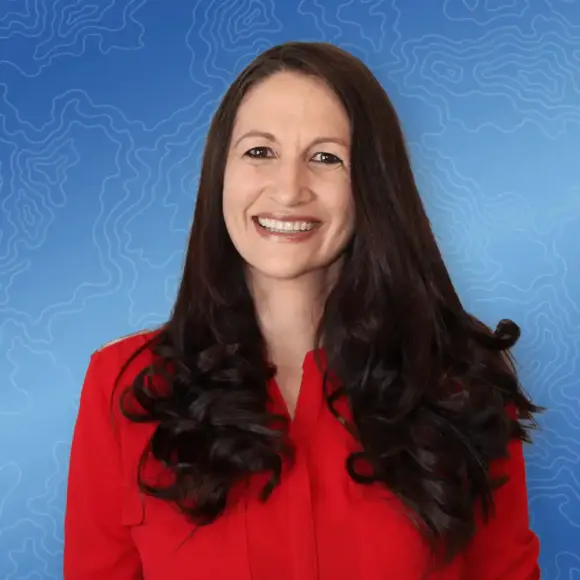
Jennifer North
Director of Administration
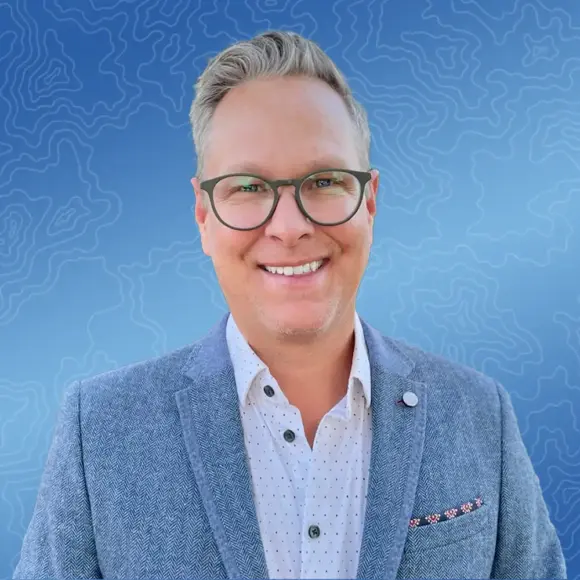
Joey Cassidy
Director of Business Development
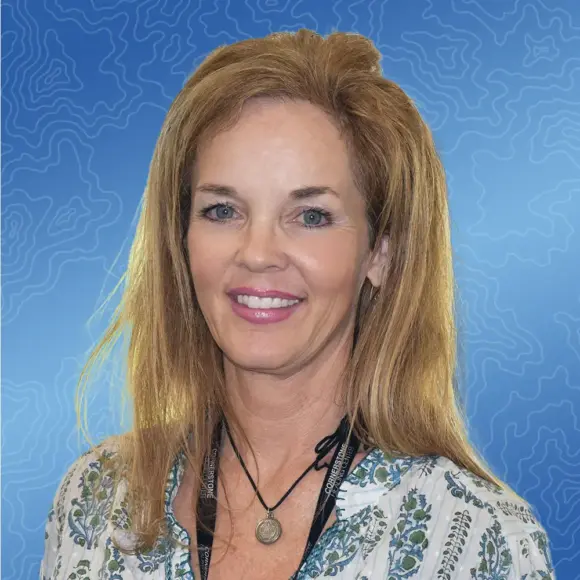
Karen Williams, LPC
Chief Clinical Officer

Aj Jimenez
Case Manager
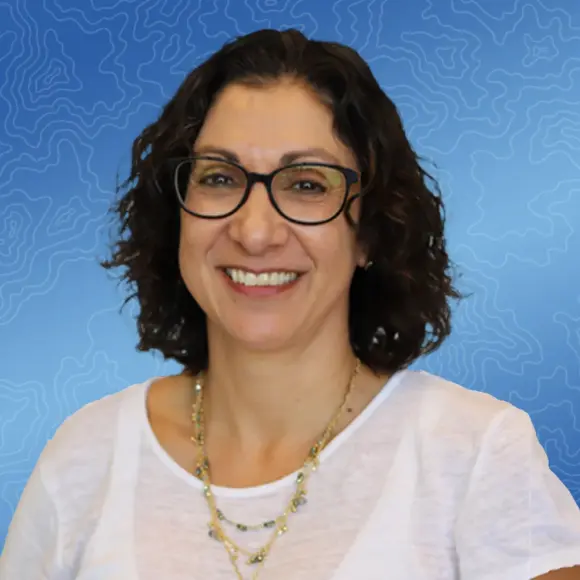
Christina Fife, MSPC, LAC
Primary Therapist
Rehab.com regularly reviews this listing for accuracy but changes may occur between updates. For the most up-to-date information, please contact Guiding Road Recovery Center.
Contact Information


11402 N Cave Creek Rd
Suite 200
Phoenix, AZ 85020
Sponsored Helpline


