






























































































In trying to find a recovery center for a friend, we were lead to Healing Pines. Unfortunatley, they had no availabilty, yet Paul the director, spent a long time on the phone with us providing guidance and feedback on alternative options. His sole goal was to help someone ...
About Healing Pines Recovery
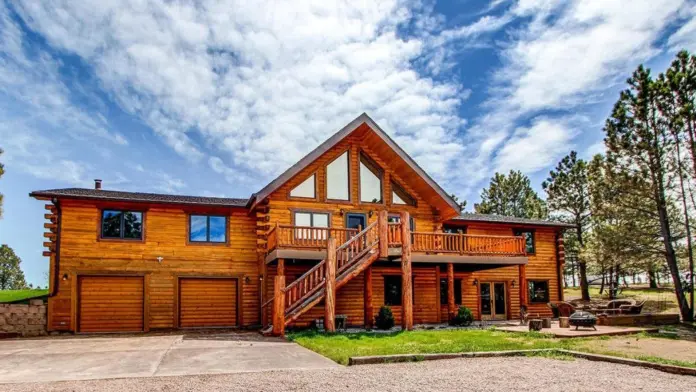
Healing Pines Recovery is located in Elizabeth, Colorado close to both Elbert and Douglas Counties. They use evidence-based, holistic and experiential methods that they believe are critical to sobriety and long-term recovery. One of their main points of focus is on helping clients learn to accept, process and communicate emotions. They exclusively treat men who are dealing with drug addiction, mental health problems and trauma.
This residential inpatient treatment center is designed to help men get past emotional problems and support recovery from drug addiction. They look to provide you with a place to escape from potentially triggering environments at home or in society so you can put all of your energy into recovery. This would be the place you go after hospitalization or detox to promote wellness inside a peaceful atmosphere.
They have an intensive outpatient drug rehab program here that’s designed around the specific challenges men might face on the path to sobriety. This program uses counseling and support groups to fight both the physical and mental effects of addiction. You’ll get comprehensive care while still going about your daily routine.
They use medication-assisted treatment or MAT which is medication combined with behavioral therapies and counseling. They also use cognitive behavior therapy (CBT), which helps ease the symptoms of drug abuse along with any issues from a mental health diagnosis.
They might also use dialectical behavioral therapy (DBT) which is similar to CBT but more focused on treating patients with problems with emotional responses, or more serious mental health issues. Iit’s typically used for people with personality disorders.
You can get some other forms of treatment here like animal therapy, experiential outdoor therapy, yoga, and holistic therapies, as well as ketamine therapies. They also use the SMART therapy method which stands for Self Management Recovery Training.
Facility Overview
 6
6 Number of Available Beds
Latest Reviews
Healing Pines is an amazing place. Not only are the staff courteous and professional, but the serenity and atmosphere of healing in the foothills of the Rockies is unmatched. The culture of recovery, stability and coaching is phenomenal and the alumni events for past clients lends this place a enormous sense of family and belonging.
I would not be this well-equipped for life and have developed life-long relationships if it wasn't for HPR. From staff check ins, follow-on programs and on-site resources this is a top notch center that has an inclusive curriculum, as well as great on-site amenities for recreation, physical and mental well-being.
Staff are caring, thoughtful and invested in the recovery process with every client that comes through. I am truly grateful to both the staff, coaches and clients that I befriended through HPR. I cannot recommend this place enough for people struggling with substance, mental or other struggles as a place of calm and recovery oriented services.
A completely transformative experience. I arrived not knowing what to expect. Within the first hour at the ranch I was on the path to becoming my authentic self. The staff is amazing. At the end of my stay I had become a different person. I would recommend HPR to anyone who needs a reset! A plus experience.
When I came to Healing Pines, I knew I was ready to start a road to recovery from my 25 year long battle with alcohol addiction. From the moment I arrived at intake, I was taken care of and made to feel welcomed and loved. My 30 days at this beautiful ranch was marked by huge breakthroughs, great camaraderie, and a fantastic curriculum focused on the body, mind, and spirit. HPR is a place where you’re not a number, you’re a human being who is cared for in all facets of recovery. The house is in a beautiful setting with tons of recreational activities (if you don’t play pickleball already, you’re gonna learn here!). You’ll learn about everything from why you drink/use, to dealing with emotions, communication, and relapse prevention. The classroom sessions are immensely valuable, but so is the time you’ll spend getting to know your counselors and fellow brothers in the house. The friendships I made here, along with the progress I made in my early recovery, are things I’ll never forget or take for granted. If you or a loved one is looking to finally get clean and sober, Healing Pines should be number one on your list. You’ll appreciate the high level of care both during AND after your time here. Thank you so much to Paul and the entire staff for giving me the opportunity to take a hard reset and get myself headed in the right direction. I will forever be grateful!

Rehab Score
 Our Methodology
Scoring is assigned by a proprietary system which helps surface key metrics that determine quality. The 10-point scale factors in categories such as operations, customer satisfaction, and trust metrics. Read Full Methodology

7.9 / 10
Gallery
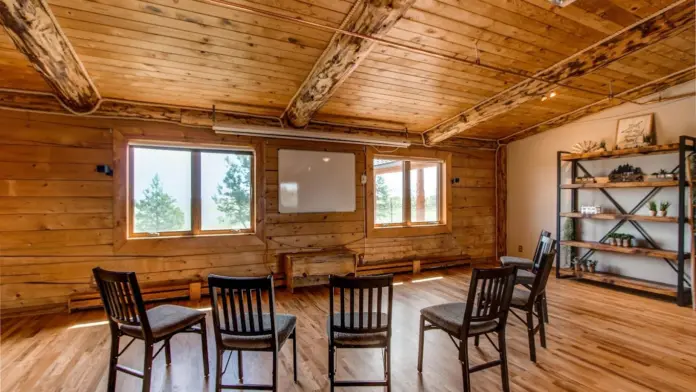
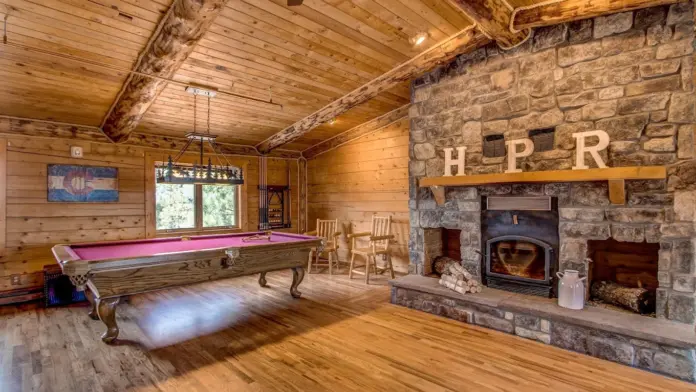
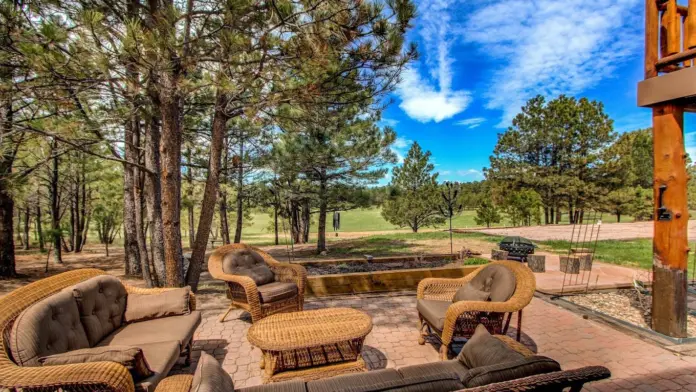
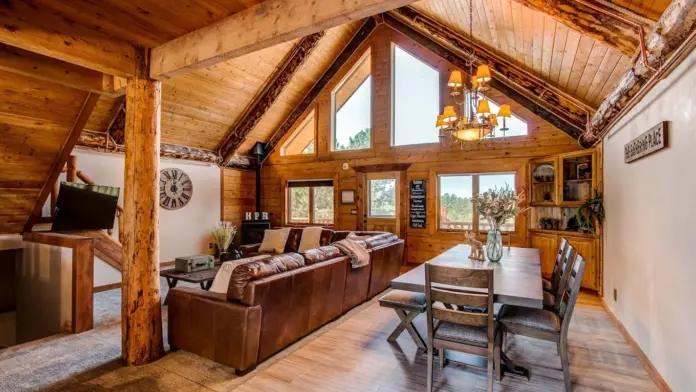
Accepted Insurance
Other Forms of Payment
Private insurance refers to any kind of healthcare coverage that isn't from the state or federal government. This includes individual and family plans offered by an employer or purchased from the Insurance Marketplace. Every plan will have different requirements and out of pocket costs so be sure to get the full details before you start treatment.
Self-pay involves paying for treatment out of your own pocket. You can use savings or credit, get a personal loan, or receive help from family and friends to fund your treatment. If you don't have insurance or your insurance plan doesn't cover a specific program, self-pay can help ensure you still get the care you need.
Addiction Treatments
Levels of Care
Residential treatment programs are those that offer housing and meals in addition to substance abuse treatment. Rehab facilities that offer residential treatment allow patients to focus solely on recovery, in an environment totally separate from their lives. Some rehab centers specialize in short-term residential treatment (a few days to a week or two), while others solely provide treatment on a long-term basis (several weeks to months). Some offer both, and tailor treatment to the patient's individual requirements.
Addiction recovery based on a 12 step program model is rooted in peer support and spiritual development. Participants regularly attend 12 step meetings, which are free, anonymous, peer-led, and available throughout the day and night in most communities. Clients' recovery is achieved progressively as they work through the 12 steps, which teach them to understand and address the root causes of their addiction, become accountable for their choices, and relinquish control over that which cannot be changed.
Drug and alcohol addiction often takes a heavy toll on one’s body. Over time, a physical dependence can develop, meaning the body physiologically needs the substance to function. Detox is the process of removing drugs and/or alcohol from the body, a process that can be lethal if mismanaged. Medical detox is done by licensed medical professionals who monitor vital signs and keep you safe, healthy, and as comfortable as possible as you go through detox and withdrawal.
Clinical Services
The main principle of cognitive behavioral therapy (CBT) in Colorado is that substance use disorders are based on faulty thinking and behavior patterns. The goal of this treatment is to help the individual learn better ways of coping with challenges, which will lead to changes in thinking and behavior.
Dialectical behavior therapy is skills based and present oriented. You'll be asked to keep a diary of emotions and related behaviors and practice the skills you've been learning between sessions. The focus of skills development is on mindfulness, distress tolerance, emotion regulation, and interpersonal effectiveness.
Men and women in Colorado have access to customized individual therapy sessions for drug and alcohol addiction treatment. These sessions explore your life experiences and patterns of substance abuse. Your therapist helps you recognize harmful behaviors and thoughts that empower you to make positive changes for lasting recovery.
During family therapy sessions, family members in Colorado work with therapists to understand addiction as a disease that has affected the entire family. This approach fosters empathy and reduces blame on any one member. Promoting this collective effort helps to support the recovery process.
Participating in experiential therapy in Colorado brings awareness to the emotions and thoughts that affect your behavior. As you engage in an interactive or creative activity, your therapist will help you reflect on and analyze these patterns and develop healthy coping strategies to use in the future.
Amenities
-
 Gym
Gym -
 Yoga Studio
Staff & Accreditations
Staff
Paul Leafstedt
Founder & Executive Director
Michael Anderson, MA, LPC
Clinical Director
Mike Hillstrom, MS, LAC
Lead Therapist
Dr. Heath D Canfield, D.O
Medical Director
Cristi Leafstedt
Founder and Director of Strategic Planning
Accreditations

The Joint Commission, formerly known as JCAHO, is a nonprofit organization that accredits rehab organizations and programs. Founded in 1951, the Joint Commision's mission is to improve the quality of patient care and demonstrating the quality of patient care.
Joint Commission Accreditation: Yes
Rehab.com regularly reviews this listing for accuracy but changes may occur between updates. For the most up-to-date information, please contact Healing Pines Recovery.
Contact Information

5550 Co Rd 124
Elizabeth, CO 80107
Get Help Now - 720-918-6614
Sponsored Helpline
Sponsored Helpline

