











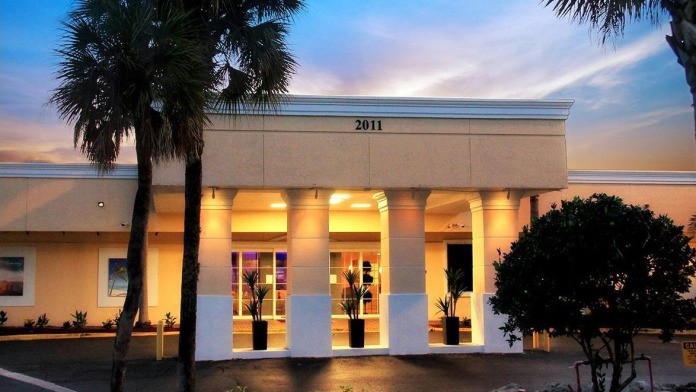
WhiteSands Alcohol & Drug Rehab Plant City
1
Top 10 Rehab In Plant City
















































































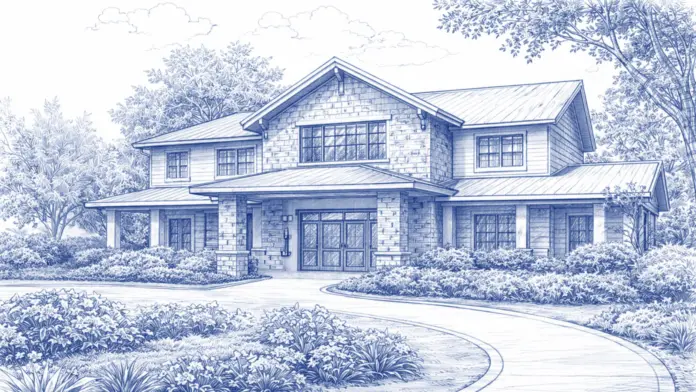
Hyde Park Counseling Center in Tampa, Florida, provides addiction therapy and treatment programs. They accept private pay and work with several major insurance providers.
They provide counseling for substance use disorders. However, they refer you to a local treatment center when you require detox or more intensive inpatient treatment.
Substance use disorders are commonly accompanied by a mental health issue. This is called a dual diagnosis. These are more challenging and require simultaneous treatment for greater success. Hyde Parke Counseling offers this treatment option.
Families are often affected by the addiction and substance use of loved ones. Hyde Park Counseling Center offers counseling opportunities for families and couples to develop a supportive home environment.
The center provides programs mandated by drug court or for DUI offenses. Clients can also receive counseling for substance use issues when needed.
In addition to substance use services, they treat eating disorders such as anorexia nervosa and bulimia nervosa. Binge eating is an addiction similar to substance use disorders and is treated at the center.
 25
25  31 - 60
 Our Methodology


Private insurance refers to any kind of healthcare coverage that isn't from the state or federal government. This includes individual and family plans offered by an employer or purchased from the Insurance Marketplace. Every plan will have different requirements and out of pocket costs so be sure to get the full details before you start treatment.
Self-pay involves paying for treatment out of your own pocket. You can use savings or credit, get a personal loan, or receive help from family and friends to fund your treatment. If you don't have insurance or your insurance plan doesn't cover a specific program, self-pay can help ensure you still get the care you need.
The first step of the recovery process involves the removal of all drugs and alcohol from your system while under 24/7 medical supervision. Known as a medically assisted detox, you are closely monitored by medical staff who can provide medications, if necessary, to help alleviate any potential withdrawal symptoms. Medical detox is usually followed by a period of inpatient addiction treatment.
Clients typically choose inpatient rehab when they are in early recovery or are experiencing a crisis that puts them at an increased risk of relapse. They reside at the treatment center for the length of their program, which may range from two weeks to more than 18 months, depending on the program design. Intensive psychotherapy is often the primary treatment modality, but clients in inpatient care may also receive holistic treatment and recovery-focused life skills training.
Often referred to as "day treatment," a partial hospitalization program (PHP) offers an intensive treatment option that allows individuals to return home at night. PHP treatment typically requires a minimum of 20 hours a week for an average of 90 days. Participants attend daily therapeutic sessions, receive medication management, and have access to skilled medical professionals. While costs can vary, most insurance will fully or partially cover a partial hospitalization program.
Intensive outpatient programs (IOP) involve frequent and robust therapeutic sessions for clients requiring high-level care. Clients may engage in a combination of medication assisted treatment (MAT), addiction counseling, recovery skills training, and holistic therapies for a minimum of nine and a maximum of 20 hours per week. Intensive outpatient rehab is designed primarily for persons in early recovery, those exiting detox or inpatient care, and those at an elevated relapse risk.
When a person has alcohol use disorder (AUD), also referred to as alcoholism or alcohol addiction, they experience withdrawal symptoms when they stop drinking. This physical dependence results from overuse of alcohol, which may be used as a coping mechanism or escape. Individuals who have AUD can overcome the alcohol addiction through alcohol rehab in Florida. This treatment process involves essential therapy and supports to help the individual achieve and maintain recovery.
Drug rehab in Florida provides quality treatment to help individuals overcome dependency related to a wide range of addictive substances. Programs address both the physical and mental aspects of addiction in order to help you make a full recovery.
 Opioid Addiction
In Florida, substance abuse treatment focuses on treating mental health and substance use disorders concurrently to improve recovery outcomes and overall health. Levels of care include medical detox, outpatient, residential treatment, and intensive outpatient programs. Clinicians utilize evidence-based therapies such as dialectical behavioral therapy (DBT) or medication-assisted treatment, group therapy, and skills training activities. This comprehensive approach to treatment helps to ensure sustained recovery.
In Florida, dual-diagnosis addiction treatment treats mental health and substance use disorders concurrently to enhance successful recovery outcomes and improve overall health. Specialized rehab programs include medical detox, outpatient, residential treatment, and intensive outpatient programs. Using evidence-based therapies, like dialectical behavioral therapy or medication-assisted treatment, clinicians successfully treat dual-diagnosis addiction and mental health conditions. Other activities include group therapy and skills training, to equip you with the skills required to achieve and sustain your recovery.
Rehabs for women provide a safe, nurturing space for female clients to heal. These treatment programs consider the specific obstacles that women can face during recovery and place a special emphasis on mental, social, physical, and reproductive health. They explore how each woman's experience has shaped the trajectory of their substance use, addressing issues such as sexual abuse and past trauma.
Therapists who apply cognitive behavioral therapy in Florida believe patient thoughts and behaviors are closely linked. They use this treatment method to help clients change their thought patterns so they can also change behaviors and break free from substance abuse.
Dialectical behavior therapy in Florida consists of individual therapy and group instruction. This structured program is a form of psychotherapy that incorporates the development of skills for managing emotions and relationships.
 Eye Movement Desensitization And Reprocessing
 Residential Setting
The Joint Commission, formerly known as JCAHO, is a nonprofit organization that accredits rehab organizations and programs. Founded in 1951, the Joint Commision's mission is to improve the quality of patient care and demonstrating the quality of patient care.
Joint Commission Accreditation: Yes

3105 W Azeele St, Tampa, FL 33609
Sponsored Helpline
 Back
Back
Sharing your insights and experiences can help others learn more about this rehab center.