





























































































About Indian Path Community Hospital
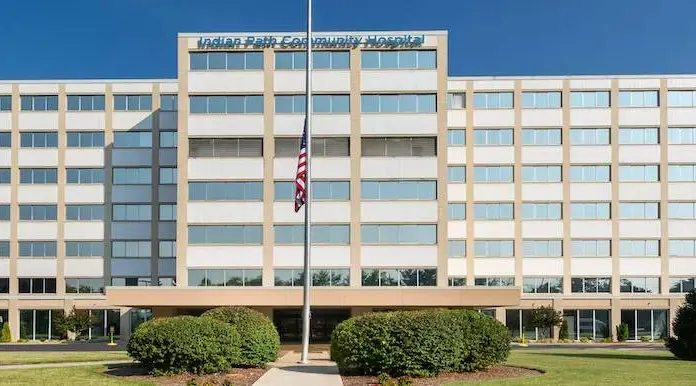
The Indian Path Community Hospital in Kingsport, Tennessee, is part of Ballard Health. It’s been around for 50 years. Hemlock Park isn’t too far off to the south.
The hospital has over 220 beds for inpatient care. There’s also an ER that’s open 24/7. While they don’t provide mental health counseling or substance abuse treatment at this location, emergency services can provide immediate attention to those experiencing a crisis, potentially serving as a first step toward ongoing recovery.
The hospital is always evolving to reflect the changing needs of the community it serves. This even includes adding a gift shop.
The Value of Stabilization
Even if you’re seeking long term substance use disorder care, the temporary relief offered by a visit to this hospital’s emergency department can be a lifesaver. Staffers are trained to stabilize clients in crisis, regardless of the source, and to help them identify helpful resources they can use throughout the community. Just the clarity brought about through stabilization can lend itself to better judgment on your part.
Greater Help at Ballad Health
Ballad Health does provide inpatient and outpatient mental health and addiction care at several dedicated clinics throughout Tennessee and Virginia.
In addition to accredited psychiatric services, these programs are backed by peer support through the Peerhelp program. These dedicated treatment programs strive to support you in and out of sessions, including access to a 24 hour crisis line.
Facility Overview
 239
239 Latest Reviews



Rehab Score
 Our Methodology


Gallery
Other Forms of Payment
Private insurance refers to any kind of healthcare coverage that isn't from the state or federal government. This includes individual and family plans offered by an employer or purchased from the Insurance Marketplace. Every plan will have different requirements and out of pocket costs so be sure to get the full details before you start treatment.
Medicare is a federal program that provides health insurance for those 65 and older. It also serves people under 65 with chronic and disabling health challenges. To use Medicare for addiction treatment you need to find a program that accepts Medicare and is in network with your plan. Out of pocket costs and preauthorization requirements vary, so always check with your provider.
Medicaid is a state based program that helps lower-income individuals and families pay for healthcare. Medicaid covers addiction treatment so those enrolled can use their coverage to pay for rehab. When a program accepts Medicaid the client often pays very little or nothing out of their own pocket.
Addiction Treatments
Levels of Care
Outpatient rehabs enable clients to receive care without leaving their home, workplace, and community. Clients typically receive intensive addiction counseling, including individual, group, and family therapy. Many programs promote clients' long-term sobriety through recovery-focused life skills training and ancillary services, such as peer coaching. Medication assisted treatment (MAT), including medication induction and maintenance, are common in outpatient care. Most facilities offer multiple levels of care to accommodate clients' evolving needs, including intensive outpatient (IOP) and standard outpatient programming.
Inpatient rehabs are designed principally for clients who require intensive supervision and support, including clients who have just completed detox, clients in early recovery, and clients at an elevated risk of relapse. Inpatient treatment helps clients stabilize following detox and prepares them to step-down into outpatient and/or community-based care. Clients reside at the facility for the duration of their program and engage in extensive addiction counseling and education. Many programs also offer evidence-based complementary therapies.
Safe detox requires 24-hour clinical care in Tennessee. This is due to the health risks that are involved during withdrawal. As the brain reacts to the absence of the drug, severe symptoms can occur, depending on the type of drug used. For instance, alcohol and benzodiazepine withdrawal may result in seizures. Fortunately, supervised care in a clinical setting can provide the necessary treatment to avoid health risks and allow you to complete detox safely.
Treatments
Mental health rehabs focus on helping individuals recover from mental illnesses like bipolar disorder, clinical depression, anxiety disorders, schizophrenia, and more. Mental health professionals at these facilities are trained to understand and treat mental health issues, both in individual and group settings.
Programs
Adult rehab programs include therapies tailored to each client's specific needs, goals, and recovery progress. They are tailored to the specific challenges adult clients may face, including family and work pressures and commitments. From inpatient and residential treatment to various levels of outpatient services, there are many options available. Some facilities also help adults work through co-occurring conditions, like anxiety, that can accompany addiction.
Young adulthood can be an exciting, yet difficult, time of transition. Individuals in their late teens to mid-20s face unique stressors related to school, jobs, families, and social circles, which can lead to a rise in substance use. Rehab centers with dedicated young adult programs will include activities and amenities that cater to this age group, with an emphasis on specialized counseling, peer socialization, and ongoing aftercare.
Recovery is most successful when clients feel accepted and validated by their peers and treatment providers. Facilities that offer LGBTQ-inclusive programming are committed to creating a safe space where everyone can grow and recover without fear of judgment or discrimination. They will have dedicated policies in place to create a safe and supportive environment that fosters free expression.
Serving in the military is both mentally and physically challenging, and can result in trauma that persists even after combat ends. Military programs are tailored to the specific and often complex needs of active duty personnel, veterans, and military families. Clients often access these programs through the U.S. Department of Veterans Affairs (VA).
Clinical Services
In individual therapy, a patient meets one-on-one with a trained psychologist or counselor. Therapy is a pivotal part of effective substance abuse treatment, as it often covers root causes of addiction, including challenges faced by the patient in their social, family, and work/school life.
Staff & Accreditations
Staff
Alan Levine
president & CEO
Shane Hilton
CFO
Eric Deaton
Chief Operating Officer
Accreditations

The Joint Commission, formerly known as JCAHO, is a nonprofit organization that accredits rehab organizations and programs. Founded in 1951, the Joint Commision's mission is to improve the quality of patient care and demonstrating the quality of patient care.
Joint Commission Accreditation: Yes
Rehab.com regularly reviews this listing for accuracy but changes may occur between updates. For the most up-to-date information, please contact Indian Path Community Hospital.
Contact Information


2000 Brookside Drive
Kingsport, TN 37660
Sponsored Helpline


