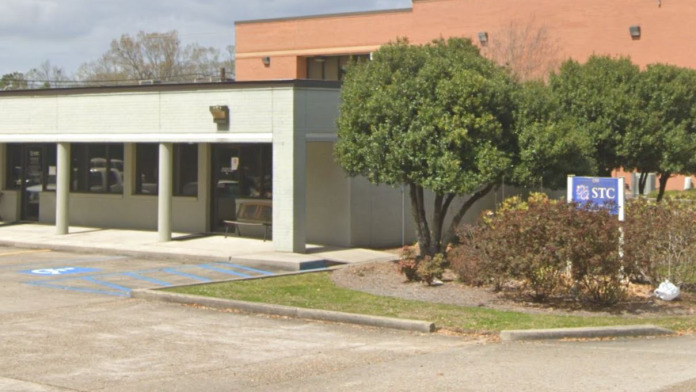
St. Christopher's Addiction Wellness Center
1
Top 10 Rehab Centers In Baton Rouge





































































































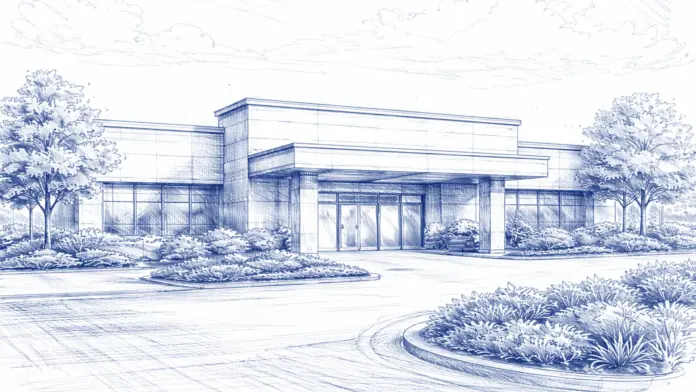
The Institute for Chemical Dependency Studies is located in Houston, Texas. They provide behavioral health services through outpatient care to address and treat your co-occurring mental health issues and substance use disorder. They also offer courses, workshops and certification programs for students training to become chemical dependency counselors and therapists.
They are located in a high-rise office building with ample onsite parking available to you and your family. They are located next to I-610 and near I-45. Their location is also close to several stores, restaurants and hotels. Additionally, you can access natural landmarks nearby including Memorial Park, River Oaks Country Club, Shady Lane Park and Keith Wiess Park.
They offer several levels of outpatient care at ICDS including an intensive outpatient (IOP) and supportive outpatient (SOP) program. They also offer substance abuse evaluations to assess your treatment needs and determine what level of care would be appropriate for you.
I like that they also work with the court system to provide court-mandated programs and services including a DWI education course and a DWI intervention program. They will offer you programming and treatment through therapy sessions and counseling to prepare you for completion of the program. They will also communicate on your behalf with your court-appointed representative to ensure you receive credit for your completion and attendance.
They also offer a program called the Victim Impact Panel course, where convicted offenders will learn about the potential consequences of driving drunk or drugged. I think it’s great to know that the panel includes real accounts of tragedy from victims, their families and survivors to emphasize the impact of impaired driving.
The program helps individuals understand the total and lasting devastation that can be caused by their actions and encourages behavioral changes and empathy toward victims.



 Our Methodology


Private insurance refers to any kind of healthcare coverage that isn't from the state or federal government. This includes individual and family plans offered by an employer or purchased from the Insurance Marketplace. Every plan will have different requirements and out of pocket costs so be sure to get the full details before you start treatment.
Self-pay involves paying for treatment out of your own pocket. You can use savings or credit, get a personal loan, or receive help from family and friends to fund your treatment. If you don't have insurance or your insurance plan doesn't cover a specific program, self-pay can help ensure you still get the care you need.
After completing some form of inpatient care, many clients transition or step down to an outpatient rehab, while some choose to transition from detox directly into outpatient care. High-intensity outpatient programming, including partial hospitalization (PHP) and intensive outpatient (IOP) is widely available for clients in early recovery, those leaving detox, and those at an elevated relapse risk. Clients in outpatient care generally engage in robust addiction counseling and recovery education, and some also receive medication assisted treatment (MAT).
Alcoholism occurs when a person becomes physically and psychologically dependent on alcohol. Attending a professional alcohol rehab in Texas can provide customized intervention methods to address the physical, mental, and relational challenges of addiction.
During rehab in Texas, you'll deal with underlying issues that contribute to addiction. By addressing these challenges and learning healthy ways to cope with them, you'll develop strategies that help you live a drug-free lifestyle.
 Opioid Addiction
Substance abuse treatment is available in Texas for anyone who's struggling with drug or alcohol addiction. These programs usually provide a comprehensive assessment and individualized treatment plan, and include evidence-based treatments, like therapies such as cognitive-behavioral therapy (CBT) to reframe unhelpful coping strategies, and dialectical behavior therapy (DBT) to help with emotional regulation and stress.
Adult rehab programs include therapies tailored to each client's specific needs, goals, and recovery progress. They are tailored to the specific challenges adult clients may face, including family and work pressures and commitments. From inpatient and residential treatment to various levels of outpatient services, there are many options available. Some facilities also help adults work through co-occurring conditions, like anxiety, that can accompany addiction.
Individual therapy offers you a confidential space to address the complexities of your drug or alcohol addiction. Your therapist guides these personalized sessions to help develop self awareness and manage stress. This promotes sustained sobriety and overall well being.
Peer support is an important aspect of group therapy sessions for drug and alcohol addiction. As you and your peers share stories and encourage each other, it fosters a sense of community and belonging that helps you process your feelings and reduces the sense of isolation that is associated with addiction.

The National Association of Addiction Treatment Providers (NAATP) is a professional association that represents organizations in the field of addiction services. Founded in 1978, NAATP's mission is to advance addiction services and ensure that high-quality addiction treatment is available and accessible.
NAATP Member: Yes

1235 N Loop W Suite 701, Houston, TX 77008
Sponsored Helpline

Perfect location right in the heart of Houston! Easy to access with plenty of parking options nearby. Great spot for adult education.

 Back
Back
Sharing your insights and experiences can help others learn more about this rehab center.