





























































































About Isaiah House Treatment Center
Isaiah House Treatment Center is a drug and alcohol rehab in Harrodsburg, Kentucky. This location is the corporate office, but they have numerous treatment centers throughout the area for different programs and groups, including facilities in Harrodsburg.
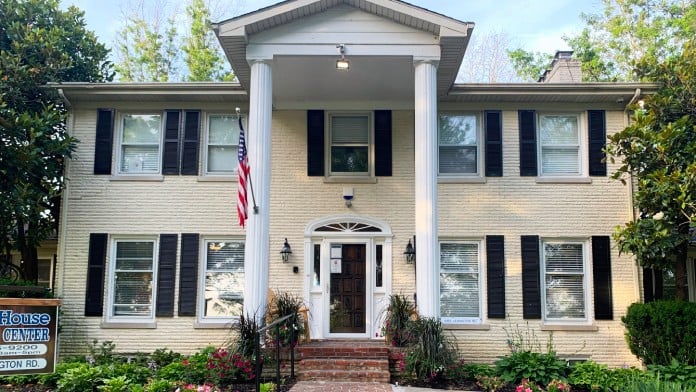
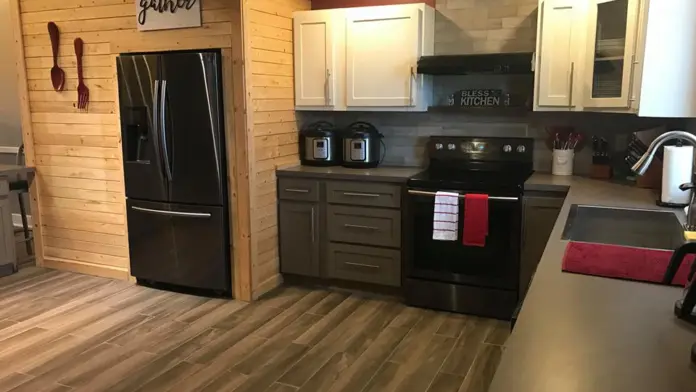
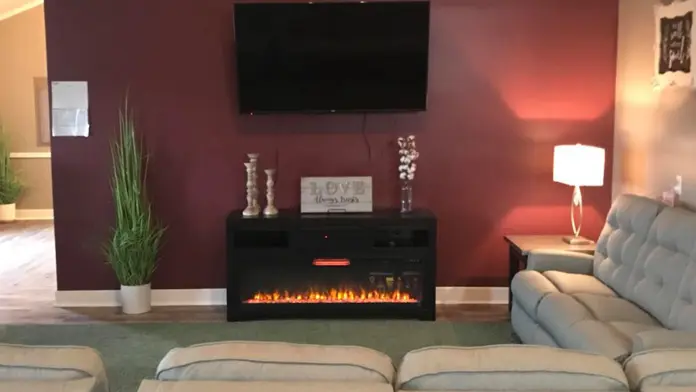
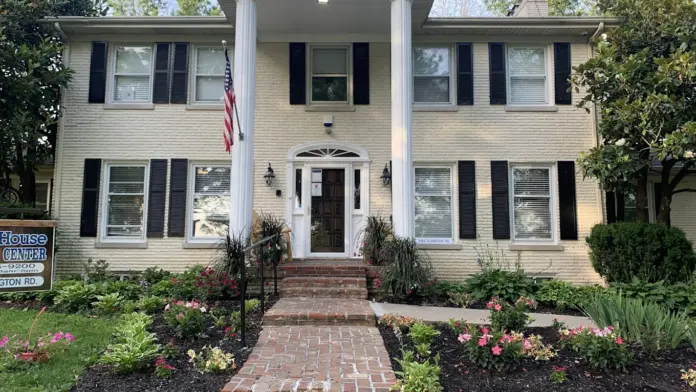
Isaiah House’s Shelley Center in Harrodsburg, Kentucky is a 34 bed residential treatment facility for women affected by substance use disorders. The facility is located at the Isaiah House Corporate Office and has its own comfortable and safe space for healing. The center boasts a large meeting room of couches, an exercise room and a dormitory. There’s also a medical office with a resident nurse onsite. It’s a great setting to begin your addiction recovery journey without distractions. They even accept pregnant women with a doctor’s approval.
Their programming includes non-hospitalization detox, medication for opiate use disorders (MOUD) and targeted case management. Non-hospital detox involves some form of medical or professional oversight but not necessarily 24/7 supervision that occurs in a hospital setting. Regardless the procedure is geared towards removing addiction related toxins from your body in preparation for the main treatment.
MOUD is an evidence based technique that uses meds approved by the FDA alongside counseling to support opioid recovery. The goal is to help you reduce cravings and withdrawal symptoms. This improves the chance of recovery and lasting sobriety. The facility provides evidence-based individual and group therapy. Individual counseling enables you to tackle the underlying emotions fueling your substance misuse with the guidance of a licensed clinician. These experts can help you set goals and monitor progress as necessary.
Group therapy promotes community support via peer interaction, connection and sharing of experiences. Sharing your life wins and losses with others facing similar challenges can boost your self confidence. It’s a great avenue to build healthy friendships and relationships that will spark mutual support even after recovery. These can strengthen your sober lifestyle and prevent relapse.
The facility even offers life skill classes that may cover stress/anger management, effective communication and decision-making. This can help you navigate daily challenges and maintain a healthier lifestyle. Additional services include peer support, Celebrate Recovery classes and church outings.
Their targeted case management services complement the program. This may involve client advocacy, care coordination and connection to community resources like stable housing. You can lengthen your stay after this program by stepping down to their residential intensive outpatient program (IOP). They also offer transitional housing for ongoing support and accountability. Emphasis is on finding stable employment and building a sober life as you transition out of treatment.
Facility Overview
 34
34  15 - 30
 Latest Reviews



Rehab Score
 Our Methodology


Gallery


Accepted Insurance
Other Forms of Payment
Private insurance refers to any kind of healthcare coverage that isn't from the state or federal government. This includes individual and family plans offered by an employer or purchased from the Insurance Marketplace. Every plan will have different requirements and out of pocket costs so be sure to get the full details before you start treatment.
Self-pay involves paying for treatment out of your own pocket. You can use savings or credit, get a personal loan, or receive help from family and friends to fund your treatment. If you don't have insurance or your insurance plan doesn't cover a specific program, self-pay can help ensure you still get the care you need.
Financial aid can take many forms. Centers may have grants or scholarships available to clients who meet eligibility requirements. Programs that receive SAMHSA grants may have financial aid available for those who need treatment as well. Grants and scholarships can help you pai for treatment without having to repay.
Medicaid is a state based program that helps lower-income individuals and families pay for healthcare. Medicaid covers addiction treatment so those enrolled can use their coverage to pay for rehab. When a program accepts Medicaid the client often pays very little or nothing out of their own pocket.
Medicare is a federal program that provides health insurance for those 65 and older. It also serves people under 65 with chronic and disabling health challenges. To use Medicare for addiction treatment you need to find a program that accepts Medicare and is in network with your plan. Out of pocket costs and preauthorization requirements vary, so always check with your provider.
Addiction Treatments
Levels of Care
Outpatient Programs (OP) are for those seeking mental rehab or drug rehab, but who also stay at home every night. The main difference between outpatient treatment (OP) and intensive outpatient treatment (IOP) lies in the amount of hours the patient spends at the facility. Most of the time an outpatient program is designed for someone who has completed an inpatient stay and is looking to continue their growth in recovery. Outpatient is not meant to be the starting point, it is commonly referred to as aftercare.
Residential treatment programs are those that offer housing and meals in addition to substance abuse treatment. Rehab facilities that offer residential treatment allow patients to focus solely on recovery, in an environment totally separate from their lives. Some rehab centers specialize in short-term residential treatment (a few days to a week or two), while others solely provide treatment on a long-term basis (several weeks to months). Some offer both, and tailor treatment to the patient's individual requirements.
A partial hospitalization program (PHP) is a short-term form of intensive rehab, usually for those with acute symptoms that are hard to manage but don’t require 24-hour care. PHPs have structured programming (i.e. individual and/or group therapy), and usually meet 3-5 days a week for around 6 hours (i.e. 9am-3m). Some PHPs are residential (patients sleep on site) and some are not, so patients sleep at home. PHPs can last from 1-6 months, and some offer transportation and meals.
Drug and alcohol addiction often takes a heavy toll on one’s body. Over time, a physical dependence can develop, meaning the body physiologically needs the substance to function. Detox is the process of removing drugs and/or alcohol from the body, a process that can be lethal if mismanaged. Medical detox is done by licensed medical professionals who monitor vital signs and keep you safe, healthy, and as comfortable as possible as you go through detox and withdrawal.
Treatments
Alcoholism is a term used to describe a level of drinking that causes harm to a person's health. Also known as alcohol addiction or alcohol use disorder (AUD), the dependency involves a strong, often uncontrollable urge to drink.This condition is treatable through alcohol rehab in Kentucky. Programs typically involve supervised detox, behavioral treatments, medications, and mutual-support groups.
Drug rehab in Kentucky often starts with detox, then includes inpatient or outpatient treatment, and continues with aftercare support. Specific methods used during each of these phases varies, but often include individual and group counseling, medication, and recreational therapies.
 Opioid Addiction
In Kentucky, comprehensive substance abuse treatment programs are available to address addiction and any co-occurring mental health disorders. Typically, treatment programs offer various levels of care, including outpatient, inpatient, and partial hospitalization. Treatment activities include individual and group therapy, recovery support meetings, evidence-based therapies such as cognitive-behavioral therapy (CBT), dialectical behavior therapy (DBT), and psychoeducation. By the end of treatment you will have the resources and supportive recovery community to sustain long-term mental health and sobriety.
In Kentucky, dual-diagnosis addiction treatment programs prioritize comprehensive care for individuals with co-occurring substance use disorders and mental health conditions. Levels of care include residential rehab, detox, and intensive outpatient programs. Interventions like cognitive behavioral therapy, or dialectical behavioral therapy, therapy, education and family counseling treat both mental health conditions at the same time. The benefits of dual-diagnosis treatment are enhanced outcomes, improved health, and they provide you with the skills to maintain your sobriety and manage your mental health.
Programs
Adult rehab programs include therapies tailored to each client's specific needs, goals, and recovery progress. They are tailored to the specific challenges adult clients may face, including family and work pressures and commitments. From inpatient and residential treatment to various levels of outpatient services, there are many options available. Some facilities also help adults work through co-occurring conditions, like anxiety, that can accompany addiction.
Young adulthood can be an exciting, yet difficult, time of transition. Individuals in their late teens to mid-20s face unique stressors related to school, jobs, families, and social circles, which can lead to a rise in substance use. Rehab centers with dedicated young adult programs will include activities and amenities that cater to this age group, with an emphasis on specialized counseling, peer socialization, and ongoing aftercare.
Men face specific challenges and concerns when seeking addiction treatment. Gender-specific recovery programs help them tackle these issues head-on in an environment that's focused, targeted, and distraction-free. It also gives them the opportunity to connect with and learn from other men who have been through a similar journey and can offer support for the next step.
Rehabs for women provide a safe, nurturing space for female clients to heal. These treatment programs consider the specific obstacles that women can face during recovery and place a special emphasis on mental, social, physical, and reproductive health. They explore how each woman's experience has shaped the trajectory of their substance use, addressing issues such as sexual abuse and past trauma.
Clinical Services
Men and women in Kentucky participating in group therapy learn to express their feelings and struggles with drug addiction in a non judgmental atmosphere. Your peers can offer you empathy and encouragement because they understand your journey to recovery. This fosters a sense of community and belonging that may extend far after group therapy sessions.
In individual therapy for drug and alcohol addiction, the therapist and patient work together to address the challenges and triggers that drive addictive behavior. This offers a customized approach to a healthier, substance free life.
Family therapy provides families with a structured environment to address the complexities of addiction. You work with an experienced therapist to develop effective strategies for supporting your loved one's recovery while focusing on the well being of each member of the family unit.
Amenities
-
 Residential Setting
Staff & Accreditations
Staff

Nick Wren, PharmD
CEO

Mike Cox, M.Ed, LPCC-S
COO
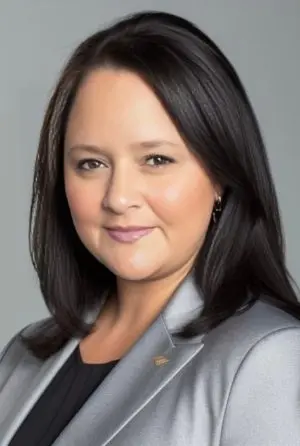
Andrea Snapp, CPA
CFO

Cassie Music, MSN, APRN
VP of Clinical Operations
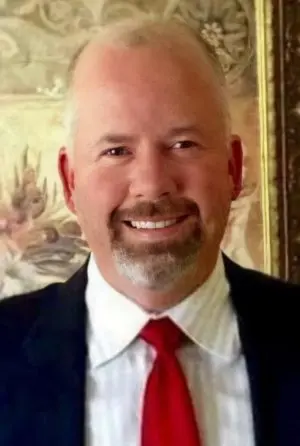
Al Crout, DMin
VP of Philanthropy

Michael Thompson
VP of Operations
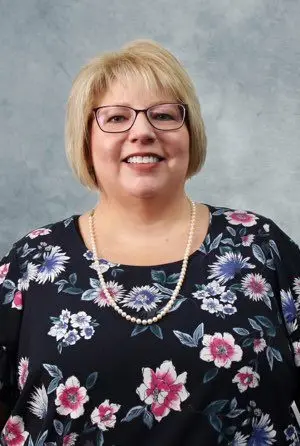
Kathy Friedewold
VP of Finance

Jason Mullins
VP of Program Operations
Accreditations

The Commission on Accreditation of Rehabilitation Facilities (CARF) is a non-profit organization that specifically accredits rehab organizations. Founded in 1966, CARF's, mission is to help service providers like rehab facilities maintain high standards of care.
CARF Accreditation: Yes

LegitScript has reviewed Isaiah House Treatment Center as part of their certification program, and has determined that it meets the LegitScript standards for legality, safety and transparency.
LegitScript verified in

State Licenses are permits issued by government agencies that allow rehab organizations to conduct business legally within a certain geographical area. Typically, the kind of program a rehab facility offers, along with its physical location, determines which licenses are required to operate legally.
State License: Kentucky
Rehab.com regularly reviews this listing for accuracy but changes may occur between updates. For the most up-to-date information, please contact Isaiah House Treatment Center.
Contact Information


1090 Industry Rd
Harrodsburg, KY 40330
Sponsored Helpline


