




























































































About Legacy Recovery Center
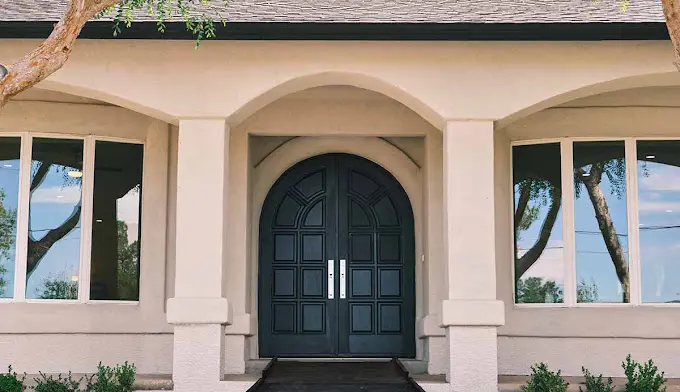
Legacy Recovery Center is a physician-owned residential treatment facility in Chandler, Arizona, specializing in addiction and co-occurring mental health disorders. The program treats substance use disorders, including alcohol, opioids, methamphetamine, cocaine, heroin and fentanyl, alongside conditions such as anxiety, depression, trauma, bipolar disorder and schizophrenia. With on-site psychiatric oversight and a small, intimate setting, Legacy delivers individualized care in a non-institutional, home-like environment designed to support healing and lasting recovery.
Dual Diagnosis Treatment for Complex Mental Health and Addiction
Legacy’s core specialty is treating co-occurring substance use and mental health disorders under the guidance of board certified psychiatrists. The facility is equipped to handle complex psychiatric presentations, including bipolar disorder and schizophrenia, with comprehensive psychiatric evaluations, medication management and individualized treatment planning from day one.
Residents engage in individual and group therapy using evidence based modalities such as CBT, DBT and Motivational Interviewing, alongside holistic supports like yoga, meditation, acupuncture and nutrition guidance. Treatment addresses both the root causes of addiction and mental health symptoms, with structured daily programming that balances clinical work and wellness activities in a private, gated 2-acre setting.
Trauma Informed and Evidence Based Therapies
Legacy integrates specialized trauma therapies, including EMDR, Somatic Experiencing, Cognitive Processing Therapy and Internal Family Systems to address underlying trauma that fuels addiction and mental health struggles. Family therapy is also available to rebuild communication and support long-term recovery beyond residential care.
Getting Started with Residential Care
Legacy Recovery Center serves adults, including seniors, at its Chandler location with private rooms, pool and spa amenities and 24/7 support.
Legacy accepts most commercial and private insurance plans, including Aetna, Blue Cross Blue Shield, Cigna and UnitedHealthcare and offers self-pay options. Medicare and Medicaid are not accepted.
Latest Reviews



Rehab Score
 Our Methodology


Gallery




Accepted Insurance


Other Forms of Payment
Private insurance refers to any kind of healthcare coverage that isn't from the state or federal government. This includes individual and family plans offered by an employer or purchased from the Insurance Marketplace. Every plan will have different requirements and out of pocket costs so be sure to get the full details before you start treatment.
Self-pay involves paying for treatment out of your own pocket. You can use savings or credit, get a personal loan, or receive help from family and friends to fund your treatment. If you don't have insurance or your insurance plan doesn't cover a specific program, self-pay can help ensure you still get the care you need.
Financial aid can take many forms. Centers may have grants or scholarships available to clients who meet eligibility requirements. Programs that receive SAMHSA grants may have financial aid available for those who need treatment as well. Grants and scholarships can help you pai for treatment without having to repay.
Addiction Treatments
Levels of Care
Many clients who enroll in an outpatient rehab program are exiting intensive inpatient care and no longer require such high-level clinical supervision. Outpatient programs typically follow a step-down structure, with treatment frequency and intensity decreasing as clients progress in their recovery journey. Partial hospitalization (PHP) and intensive outpatient (IOP) levels of care are the most time-intensive and are designed primarily for clients who have just left inpatient treatment or who are at an elevated risk of relapse.
Inpatient rehab is designed primarily for persons in early recovery and those who are exiting detox programs. It's ideal for clients in crisis or at an elevated risk of relapse. Inpatient treatment centers provide housing and meals, allowing clients to focus on their recovery away from distractions and addiction triggers. Clients engage in intensive psychotherapy, and many inpatient programs feature recovery-focused life skills training and/or complementary therapies like meditation, creative arts therapy, and other holistic treatments.
The safest way to remove addictive substances from your body is done under the care of licensed medical professionals. Known as medically assisted detox, this level of care is typically in an inpatient setting with a team of medical experts that may include doctors, nurses, and mental health clinicians. Medications like Suboxone, methadone, or Vivitrol may be administered to help alleviate withdrawal symptoms.
Treatments
Alcohol use disorder (AUD), also referred to as alcoholism and alcohol addiction, is a chronic condition that involves craving alcohol and an inability to control drinking. A person with AUD must drink greater and greater amounts of alcohol to achieve the same effects and experiences withdrawal symptoms if they stop drinking alcohol. Several evidence-based methods are available to treat AUD through alcohol rehab in Arizona. This treatment can occur on an outpatient or inpatient basis.
Drug rehab in Arizona is the process of treating individuals who are dependent on a particular addictive drug. Because addiction is complex, this treatment typically includes a variety of interventions that address the many physical and emotional issues involved.
 Opioid Addiction
Dual-diagnosis rehabs in Arizona typically provide comprehensive treatment for both mental health and substance abuse. These types of specialized facilities address both issues at the same time through substance abuse evaluations and personalized treatment plans, evidence-based therapies like cognitive-behavioral therapy (CBT) and dialectical behavior therapy (DBT), medication management, and skills development.
Arizona's substance abuse treatment centers can provide tailored treatment for individuals with substance use disorders and mental health conditions. Treatment programs may include medically assisted detox, 12-Step recovery, intensive outpatient programs, and aftercare support. Addiction experts employ evidence-based therapies like cognitive behavioral therapy (CBT), dialectical behavioral therapy (DBT), and talk therapy to uncover and reframe unhelpful patterns. By graduation, you'll have developed new coping strategies, learned new stress management techniques, and have the capability of sustaining your recovery.
Treatment for addiction includes mental health services that are provided while during your stay at the facility. This may be a hospital, clinic, or a luxury treatment center setting. You receive 24-hour support and monitoring by mental health counselors and clinical staff. Most inpatient programs last 30 days, but some can last for two months or longer. Mental health is addressed during treatment via group and individual counseling, addiction education programming, and often recreational activities.
Programs
Teen programs are designed to address the unique pressures teens face, pressures that can drive them to experiment with dangerous, addictive substances. They need programs that meet them exactly where they are and give them tools for long-term recovery. Therapy can help teenagers understand and work through underlying issues so they can reclaim the life ahead of them.
Adult rehab programs include therapies tailored to each client's specific needs, goals, and recovery progress. They are tailored to the specific challenges adult clients may face, including family and work pressures and commitments. From inpatient and residential treatment to various levels of outpatient services, there are many options available. Some facilities also help adults work through co-occurring conditions, like anxiety, that can accompany addiction.
Men face specific challenges and concerns when seeking addiction treatment. Gender-specific recovery programs help them tackle these issues head-on in an environment that's focused, targeted, and distraction-free. It also gives them the opportunity to connect with and learn from other men who have been through a similar journey and can offer support for the next step.
Rehabs for women provide a safe, nurturing space for female clients to heal. These treatment programs consider the specific obstacles that women can face during recovery and place a special emphasis on mental, social, physical, and reproductive health. They explore how each woman's experience has shaped the trajectory of their substance use, addressing issues such as sexual abuse and past trauma.
Young adulthood can be an exciting, yet difficult, time of transition. Individuals in their late teens to mid-20s face unique stressors related to school, jobs, families, and social circles, which can lead to a rise in substance use. Rehab centers with dedicated young adult programs will include activities and amenities that cater to this age group, with an emphasis on specialized counseling, peer socialization, and ongoing aftercare.
The providers who specialize in the children's rehab space understand the specialized needs that this population faces. School-based and social services such as tutoring and family counseling are often central to treatment. Child programs may also address the needs of youth experiencing substance abuse in the home, including a parent's or sibling's addiction.
Nearly one million adults age 65 and older live with a substance use disorder. Treatment providers who specialize in senior care understand the social, psychological, and physical effects of aging and how they relate to recovery. They can help clients address particular challenges and risks they may face as they get older such as overdosing and medication interactions and dependencies.
Clinical Services
Also known as CBT, cognitive behavioral therapy in Arizona is one of the most common types of psychotherapy. It offers a structured method of counseling that effectively treats substance use disorder and dual diagnosis disorders.
Dialectical behavior therapy in Arizona focuses on acceptance of your reality and behaviors while also attempting to make changes in unhealthy behaviors. It has been shown to be effective for the treatment of anxiety, depression, PTSD, and substance use disorder.
 Equine Therapy
The goal of motivational interviewing in Arizona is to enhance your confidence in your ability to make changes in your life. It encourages you to commit to change and plan for the process of making those changes that will allow you to reach your goals.
 Eye Movement Desensitization And Reprocessing
Family therapy involves sessions where members of the family discuss how addiction has affected them individually and collectively. Therapists can guide families in developing coping strategies that help support their loved one's recovery while also focusing on their own emotional health.
Individual therapy for drug and alcohol addiction includes focused attention on the unique challenges that trigger addictive behavior. During individual therapy sessions, you have a safe space in which to discuss stressors and emotional struggles. Therapy fosters trust and open communication that helps develop personalized strategies to overcome addiction.
In Arizona, group therapy helps promote accountability and motivation for men and women who want to stay committed to addiction recovery. It fosters a sense of community where you can share your progress and learn new coping strategies from your peers.
Amenities
-
 Private Rooms
 -
 Swimming Pool
Accreditations

LegitScript has reviewed Legacy Recovery Center as part of their certification program, and has determined that it meets the LegitScript standards for legality, safety and transparency.
LegitScript verified in

The Joint Commission, formerly known as JCAHO, is a nonprofit organization that accredits rehab organizations and programs. Founded in 1951, the Joint Commision's mission is to improve the quality of patient care and demonstrating the quality of patient care.
Joint Commission Accreditation: Yes
Rehab.com regularly reviews this listing for accuracy but changes may occur between updates. For the most up-to-date information, please contact Legacy Recovery Center.
Contact Information


24745 S Lindsay Rd
Chandler, AZ 85249
Sponsored Helpline


