






























































































It is completely clear that they don't know what they are doing, LRADAC is a place filled with inexperienced people trying to do something that they clearly can't do.
About LRADAC
They offer an inpatient detoxification program if you struggle to quit using drugs because of withdrawal symptoms. To ensure a safer transition to recovery you will receive medically monitored care during detox to minimize withdrawal symptoms.
If you have been convicted of DUI or have had your license suspended, you will receive crucial education and treatment as part of the South Carolina Alcohol and Drug Safety Action Program. Clinical staff will give a comprehensive orientation to new participants along with a packet containing information and advice on how to succeed in the program. Administrative personnel will talk about pertinent rules, regulations and financial obligations, and a clinical counselor will perform an evaluation to customize services so they meet your unique requirements.
Professionals who are dealing with substance abuse or dual diagnosis issues can get timely support through a confidential referral and monitoring program. Treatment providers may include physicians, nurses, pharmacists, dentists and podiatrists.
Since they only need you to be there a few days a week, their outpatient treatment allows for flexibility. Peer support, job training, life skills training, case management, group sessions and individual counseling will all be available to you.
Working with obstetricians, social services and community organizations, their MOMS initiative helps expectant mothers with prenatal care and recovery. Assessments for individuals dealing with opioid abuse are offered during regular walk-in hours, and eligible individuals are screened for possible admission to their medication assisted treatment (MAT) program. Suboxone, Subutex and Vivitrol prescriptions may be part of this program’s customized treatment plan.
Since every situation is different, they will modify plans to meet the needs of each family member. Family support services help you recover, and integrated therapies try to address mental health issues such as stress and trauma.
Facility Overview
 16
16 Number of Available Beds
Latest Reviews
i really appreciate the staff here, i understand that your job is not easy, reading the reviews i feel bad, i bet this is an overwhelming line of work, been twice and AMAd twice and they still do my assessment with grace every time even if i chicken out and don’t come, they still are nice to me any time i contact them. Withdrawal is a beach and comes with heightened emotions. I hope none of you guys take the reviews too harshly. I’ve been to several facilities but have and only want to come back to this one… there’s a reason there’s a waitlist !
Thank you again for your honesty and support. We are grateful to have been a part of your journey, and we wish you continued strength and success moving forward!!
Response from the owner1 week ago
Thank you so much for taking the time to share your experience and for your kind words about our team. Your recognition of our staff means a great deal. They work hard every day to provide a welcoming and nonjudgmental environment for those seeking help, and your encouragement will certainly brighten their day.Thank you again for your honesty and support. We are grateful to have been a part of your journey, and we wish you continued strength and success moving forward!!
They saved my life.
Very professional. A great program! Victoria, Gerri, and the whole crew were awesome. Very nonjudgemental.
Response from the owner1 week ago
Thank you so much for your kind words! We are so glad to be of assistance to you! 
Rehab Score
 Our Methodology
Scoring is assigned by a proprietary system which helps surface key metrics that determine quality. The 10-point scale factors in categories such as operations, customer satisfaction, and trust metrics. Read Full Methodology

7.7 / 10
Gallery
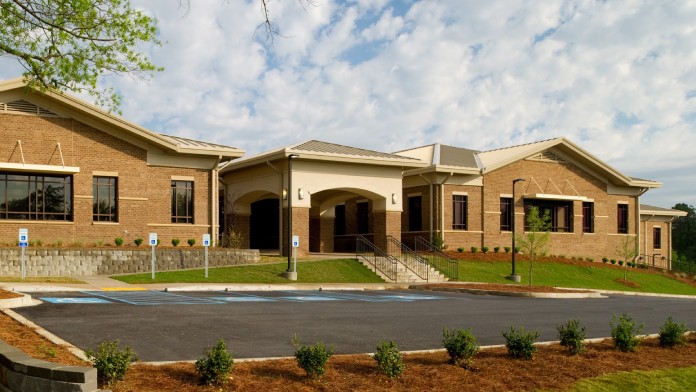
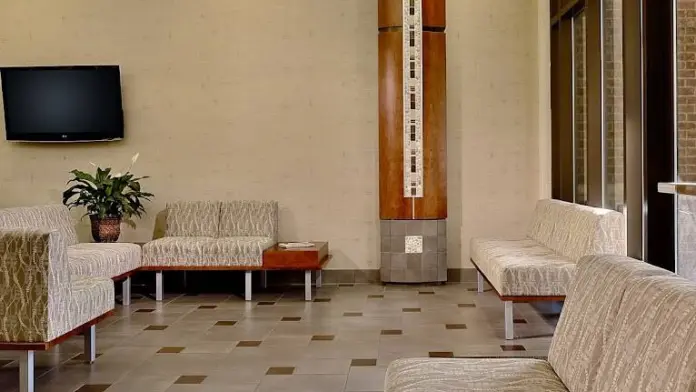
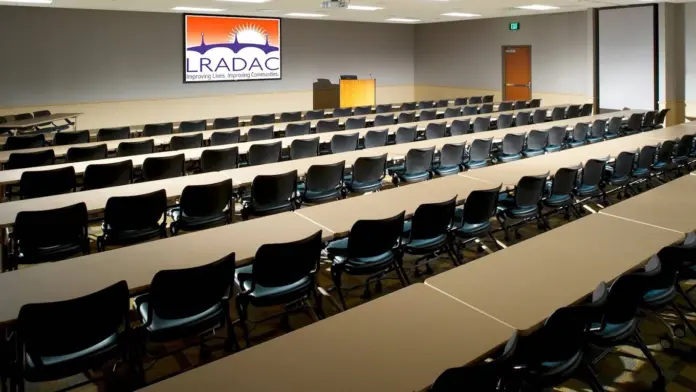
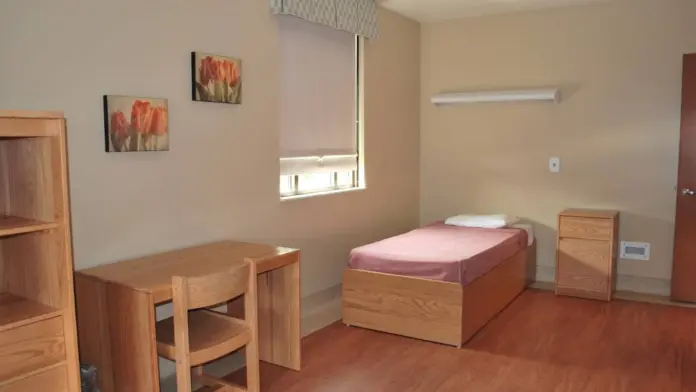
Accepted Insurance
Other Forms of Payment
Medicaid is a state based program that helps lower-income individuals and families pay for healthcare. Medicaid covers addiction treatment so those enrolled can use their coverage to pay for rehab. When a program accepts Medicaid the client often pays very little or nothing out of their own pocket.
Private insurance refers to any kind of healthcare coverage that isn't from the state or federal government. This includes individual and family plans offered by an employer or purchased from the Insurance Marketplace. Every plan will have different requirements and out of pocket costs so be sure to get the full details before you start treatment.
Self-pay involves paying for treatment out of your own pocket. You can use savings or credit, get a personal loan, or receive help from family and friends to fund your treatment. If you don't have insurance or your insurance plan doesn't cover a specific program, self-pay can help ensure you still get the care you need.
Financial aid can take many forms. Centers may have grants or scholarships available to clients who meet eligibility requirements. Programs that receive SAMHSA grants may have financial aid available for those who need treatment as well. Grants and scholarships can help you pai for treatment without having to repay.
Medicare is a federal program that provides health insurance for those 65 and older. It also serves people under 65 with chronic and disabling health challenges. To use Medicare for addiction treatment you need to find a program that accepts Medicare and is in network with your plan. Out of pocket costs and preauthorization requirements vary, so always check with your provider.
Private insurance refers to any kind of healthcare coverage that isn't from the state or federal government. This includes individual and family plans offered by an employer or purchased from the Insurance Marketplace. Every plan will have different requirements and out of pocket costs so be sure to get the full details before you start treatment.
Addiction Treatments
Levels of Care
Outpatient programs are for those seeking mental rehab or drug rehab, but who also stay at home every night. As an outpatient client, you may come for treatment only a few days a week. During your time with them, you will have access to many services including individual counseling, group counseling, case management, job training, life skills trainings, and peer support.
Drug and alcohol addiction often takes a heavy toll on one's body. Over time, a physical dependence can develop, meaning the body physiologically needs the substance to function. Detox is the process of removing drugs and/or alcohol from the body, a process that can be lethal if mismanaged. Medical detox is done by licensed medical professionals who monitor vital signs and keep you safe, healthy, and as comfortable as possible as you go through detox and withdrawal.
Intensive Outpatient Programs (IOP) are for those who want or need a very structured treatment program but who also wish to live at home and continue with certain responsibilities (such as work or school). IOP substance abuse treatment programs vary in duration and intensity, and certain outpatient rehab centers will offer individualized treatment programs.
Residential treatment programs are those that offer housing and meals in addition to substance abuse treatment. Rehab facilities that offer residential treatment allow patients to focus solely on recovery, in an environment totally separate from their lives. Some rehab centers specialize in short-term residential treatment (a few days to a week or two), while others solely provide treatment on a long-term basis (several weeks to months). Some offer both, and tailor treatment to the patient's individual requirements.
Intervention services helps family or friends of addicts stage an intervention, which is a meeting in which loved ones share their concerns and attempt to get an addict into treatment. Professional intervention specialists can help loved ones organize, gather, and communicate with an addict. They can guide intervention participants in describing the damage the addict's behavior is causing and that outside help is necessary to address the addiction. The ideal outcome of an intervention is for the addict to go to rehab and get the help they need.
24-hour clinical care in South Carolina is designed to protect those in recovery from health risks of withdrawal. For example, opioid withdrawal can cause vomiting and diarrhea that results in a life-threatening level of dehydration. Withdrawal from benzodiazepines can cause seizures which can be fatal. To avoid these risks, supervised medical detox is recommended. Under this care, medical professionals constantly monitor patients to ensure a safe detox process.
Clients engaged in a rehab aftercare program are in a more advanced stage of recovery. Many have already completed inpatient detox and/or rehab and have returned to their home, workplace, and community. Rehab aftercare services are designed to support clients' recovery over the long term and typically include a broad portfolio of resources, such as peer coaching and 12 step program induction. Clients may collaborate with their case manager and care team to create their care plan.
Treatments
The goal of treatment for alcoholism is abstinence. Those with poor social support, poor motivation, or psychiatric disorders tend to relapse within a few years of treatment. For these people, success is measured by longer periods of abstinence, reduced use of alcohol, better health, and improved social functioning. Recovery and Maintenance are usually based on 12 step programs and AA meetings.
Choosing a drug rehab in South Carolina helps you overcome drug dependency, learn how to manage cravings, and obtain the tools needed to prevent relapse. This is accomplished through individualized treatment that addresses a full spectrum of physical, social, and emotional needs.
Many of those suffering from addiction also suffer from mental or emotional illnesses like schizophrenia, bipolar disorder, depression, or anxiety disorders. Rehab and other substance abuse facilities treating those with a dual diagnosis or co-occurring disorder administer psychiatric treatment to address the person's mental health issue in addition to drug and alcohol rehabilitation.
Opioid rehabs specialize in supporting those recovering from opioid addiction. They treat those suffering from addiction to illegal opioids like heroin, as well as prescription drugs like oxycodone. These centers typically combine both physical as well as mental and emotional support to help stop addiction. Physical support often includes medical detox and subsequent medical support (including medication), and mental support includes in-depth therapy to address the underlying causes of addiction.
Substance rehabs focus on helping individuals recover from substance abuse, including alcohol and drug addiction (both illegal and prescription drugs). They often include the opportunity to engage in both individual as well as group therapy.
Programs
Adult rehab programs include therapies tailored to each client's specific needs, goals, and recovery progress. They are tailored to the specific challenges adult clients may face, including family and work pressures and commitments. From inpatient and residential treatment to various levels of outpatient services, there are many options available. Some facilities also help adults work through co-occurring conditions, like anxiety, that can accompany addiction.
Recovery is most successful when clients feel accepted and validated by their peers and treatment providers. Facilities that offer LGBTQ-inclusive programming are committed to creating a safe space where everyone can grow and recover without fear of judgment or discrimination. They will have dedicated policies in place to create a safe and supportive environment that fosters free expression.
Young adulthood can be an exciting, yet difficult, time of transition. Individuals in their late teens to mid-20s face unique stressors related to school, jobs, families, and social circles, which can lead to a rise in substance use. Rehab centers with dedicated young adult programs will include activities and amenities that cater to this age group, with an emphasis on specialized counseling, peer socialization, and ongoing aftercare.
Teen programs are designed to address the unique pressures teens face, pressures that can drive them to experiment with dangerous, addictive substances. They need programs that meet them exactly where they are and give them tools for long-term recovery. Therapy can help teenagers understand and work through underlying issues so they can reclaim the life ahead of them.
The postpartum period is a sensitive time, especially for women in addiction recovery. Rehabs with specialized programs for new mothers will offer compassionate, personalized care to meet each client's needs as they transition from pregnancy to this season of life. Care teams may include obstetricians, pediatricians, and social workers working collaboratively to give women, children, and families a healthy future.
Clinical Services
Family members often need support as they help their loved one overcome substance use. Parents, siblings, children and other loved ones are welcome to participate in counseling individually or as a family unit. On occasion, Family Nights take place for families to interact socially and show each other support.
Group therapy is any therapeutic work that happens in a group (not one-on-one). For many people who are struggling with alcohol or drug use, counseling in a small group setting is very effective. Group members learn together and support each other throughout their participation in services.
Certified counselors work with clients one on one to address substance use and/or any other concerns such as grief, stress, trauma, or anger which may be impacting your child’s behaviors. Counselors are experts in youth development, trauma-informed care, and substance use.
Trauma therapy addresses traumatic incidents from a client's past that are likely affecting their present-day experience. Trauma is often one of the primary triggers and potential causes of addiction, and can stem from child sexual abuse, domestic violence, having a parent with a mental illness, losing one or both parents at a young age, teenage or adult sexual assault, or any number of other factors. The purpose of trauma therapy is to allow a patient to process trauma and move through and past it, with the help of trained and compassionate mental health professionals.
During couples therapy in South Carolina, a licensed therapist offers techniques for how both partners can resolve conflict and manage challenges in the relationship. The couple may also engage in individual or family therapy for further support.
The main basis of cognitive behavioral therapy in South Carolina is that all your thoughts, feelings, and behaviors are interconnected. Therefore, the therapist will help you change your thoughts, which will lead to different emotions and actions.
There are four fundamental processes to motivational interviewing in South Carolina. Engaging involves careful listening to understand the client's perspective. Focusing involves reaching an agreement on the purpose of the treatment. Evoking is the process of exploring the client's ideas and motivations. Planning explores how the client can make changes.
If you struggle with managing your emotions, dialectical behavior therapy in South Carolina might be a good method of treatment for you. This form of talk therapy helps you learn to accept yourself while working on changing unhealthy patterns of thoughts and reactions.
Amenities
-
 Private Setting
Staff & Accreditations
Staff
Deborah Francis
President & CEO
Tifani Moore
Executive Director
Robbie Robertson
Director of Communications
Shannon Boone
Director of Human Resources
Geneva Bush
Administrative Director
Accreditations

The Commission on Accreditation of Rehabilitation Facilities (CARF) is a non-profit organization that specifically accredits rehab organizations. Founded in 1966, CARF's, mission is to help service providers like rehab facilities maintain high standards of care.
CARF Accreditation: Yes

The Joint Commission, formerly known as JCAHO, is a nonprofit organization that accredits rehab organizations and programs. Founded in 1951, the Joint Commision's mission is to improve the quality of patient care and demonstrating the quality of patient care.
Joint Commission Accreditation: Yes

The Substance Abuse and Mental Health Services Administration (SAMHSA) is a branch of the U.S. Department of Health and Human Services. Established in 1992 by congress, SAMHSA's mission is to reduce the impact of substance abuse and mental illness on American's communities.
SAMHSA Listed: Yes

State Licenses are permits issued by government agencies that allow rehab organizations to conduct business legally within a certain geographical area. Typically, the kind of program a rehab facility offers, along with its physical location, determines which licenses are required to operate legally.
State License: South Carolina
Rehab.com regularly reviews this listing for accuracy but changes may occur between updates. For the most up-to-date information, please contact LRADAC.
Contact Information

2711 Colonial Drive
Columbia, SC 29203
Get Help Now - 803-575-2354
Sponsored Helpline
Sponsored Helpline


