






























































































About Luxe Recovery | Drug & Alcohol Rehab
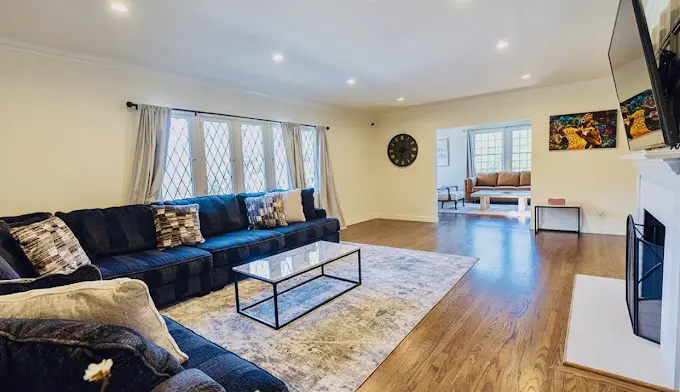
Regardless of the program you enter, they’ll help you through their holistic approach, which addresses your individual needs for your mind, body and soul. If you opt for the residential program, you’ll live in a relaxed home like setting that is complete with a myriad of amenities to help you focus on recovery. While you attend treatment, they’ll assist you with any co-occurring disorders where they’ll address your mental health issues and substance abuse. Unfortunately, these two conditions can enable one another making for a more complex recovery.
Regardless, people who have been here before have talked about how Luxe has changed their lives for the best.
Latest Reviews



Rehab Score
 Our Methodology


Gallery




Accepted Insurance




Other Forms of Payment
Private insurance refers to any kind of healthcare coverage that isn't from the state or federal government. This includes individual and family plans offered by an employer or purchased from the Insurance Marketplace. Every plan will have different requirements and out of pocket costs so be sure to get the full details before you start treatment.
Self-pay involves paying for treatment out of your own pocket. You can use savings or credit, get a personal loan, or receive help from family and friends to fund your treatment. If you don't have insurance or your insurance plan doesn't cover a specific program, self-pay can help ensure you still get the care you need.
Addiction Treatments
Levels of Care
Clients receiving treatment at an outpatient rehab typically do not require hospitalization or intensive supervision and support. Outpatient addiction counseling and recovery education are often offered during the morning, evening, night, and weekend, allowing clients to tailor treatment to their own schedule. Partial hospitalization (PHP) and intensive outpatient (IOP) programs are the most time-intensive and are designed for clients who are at an increased relapse risk and/or who need more robust therapeutic support.
Residential treatment programs are those that offer housing and meals in addition to substance abuse treatment. Rehab facilities that offer residential treatment allow patients to focus solely on recovery, in an environment totally separate from their lives. Some rehab centers specialize in short-term residential treatment (a few days to a week or two), while others solely provide treatment on a long-term basis (several weeks to months). Some offer both, and tailor treatment to the patient's individual requirements.
Intensive outpatient programs (IOP) support a client's sustained sobriety as they exit detox or step down from an inpatient program. IOPs are also designed for clients who are at an elevated risk of relapse. Intensive outpatient treatment typically requires clients to engage in a minimum of nine hours of therapy per week, but clients may receive up to 20 therapeutic hours weekly. IOP treatment modalities often combine psychotherapy, recovery-focused life skills training, and medication assisted treatment (MAT).
Rehab aftercare programs offer clients in addiction recovery a robust continuum of care after clients have completed active treatment. These services address recovery as a life-long process and are designed to evolve with clients' changing needs. Clients may partner with their case managers and/or addiction recovery team to identify the rehab aftercare services that are right for them. They may receive career counseling, housing assistance, peer coaching, 12 step program induction, among many other services.
Participants engaged in 12 step programs receive intensive peer coaching (sponsorship) and community support. Spiritual development as a means of achieving psychological and emotional healing and growth is the cornerstone of 12 step recovery, but religious affiliations are not required. Meetings are free, anonymous, and open to the public, though specialized formats are available, including groups for seniors, teens, and family members. Evening, night, and day meetings are conducted year-round in most communities.
Sober living homes in California offers an intermediate sober environment that has less structure than inpatient rehab but more than typical home environments. This makes it a good option for those who have concerns about transitioning back to the "real world" after treatment. Residents can typically live at the halfway house as long as they want, if they are willing to follow house rules. These may include a curfew, chores, and maintaining a job.
Drug and alcohol addiction often takes a heavy toll on one's body. Over time, a physical dependence can develop, meaning the body physiologically needs the substance to function. Detox is the process of removing drugs and/or alcohol from the body, a process that can be lethal if mismanaged. Medical detox is done by licensed medical professionals who monitor vital signs and keep you safe, healthy, and as comfortable as possible as you go through detox and withdrawal. The length of stay at the detoxification program is determined according to the specific needs of the patient.
Treatments
A combined mental health and substance abuse rehab has the staff and resources available to handle individuals with both mental health and substance abuse issues. It can be challenging to determine where a specific symptom stems from (a mental health issue or an issue related to substance abuse), so mental health and substance abuse professionals are helpful in detangling symptoms and keeping treatment on track.
Programs
Adult rehab programs include therapies tailored to each client's specific needs, goals, and recovery progress. They are tailored to the specific challenges adult clients may face, including family and work pressures and commitments. From inpatient and residential treatment to various levels of outpatient services, there are many options available. Some facilities also help adults work through co-occurring conditions, like anxiety, that can accompany addiction.
Young adulthood can be an exciting, yet difficult, time of transition. Individuals in their late teens to mid-20s face unique stressors related to school, jobs, families, and social circles, which can lead to a rise in substance use. Rehab centers with dedicated young adult programs will include activities and amenities that cater to this age group, with an emphasis on specialized counseling, peer socialization, and ongoing aftercare.
Clinical Services
Cognitive Behavioral Therapy (CBT) is a therapy modality that focuses on the relationship between one's thoughts, feelings, and behaviors. It is used to establish and allow for healthy responses to thoughts and feelings (instead of unhealthy responses, like using drugs or alcohol). CBT has been proven effective for recovering addicts of all kinds, and is used to strengthen a patient's own self-awareness and ability to self-regulate. CBT allows individuals to monitor their own emotional state, become more adept at communicating with others, and manage stress without needing to engage in substance abuse.
Dialectical Behavior Therapy (DBT) is a modified form of Cognitive Behavioral Therapy (CBT), a treatment designed to help people understand and ultimately affect the relationship between their thoughts, feelings, and behaviors. DBT is often used for individuals who struggle with self-harm behaviors, such as self-mutilation (cutting) and suicidal thoughts, urges, or attempts. It has been proven clinically effective for those who struggle with out-of-control emotions and mental health illnesses like Borderline Personality Disorder.
Group therapy is any therapeutic work that happens in a group (not one-on-one). There are a number of different group therapy modalities, including support groups, experiential therapy, psycho-education, and more. Group therapy involves treatment as well as processing interaction between group members.
In individual therapy, a patient meets one-on-one with a trained psychologist or counselor. Therapy is a pivotal part of effective substance abuse treatment, as it often covers root causes of addiction, including challenges faced by the patient in their social, family, and work/school life.
For clients who are struggling with ambivalence toward change, motivational interviewing in California can help strengthen their commitment to change. Using a conversational method, the therapist helps you explore your motivations and empowers you to make the changes you desire.
Trauma therapy is a structured approach used by therapists to help you heal from a past traumatic event. Your therapist works with you to identify the traumatic memory and process the information so you experience emotional healing and a sense of safety and stability.
The goal of couples therapy in California is to strengthen the couple's relationship. The therapist may take one or more approaches to counseling which may include the Gottman method, emotionally focused therapy, behavioral therapy, and psychodynamic couple's therapy.
 Eye Movement Desensitization And Reprocessing
Family therapy offers a platform for members to have an open dialogue about the challenges that addiction has placed on the family unit. Through guided sessions, therapists can help families develop healthy communication skills and address unresolved issues. By working together toward a common goal, they help to support their loved one's sobriety.
Recreational therapy (aka therapeutic recreation) uses creative and fun activities to help with addiction recovery. Recreational therapists lead patients in entertaining and engaging activities like sports or games; art (drawing, painting, sculpture); drama, music, and dance; and/or community outings (field trips) to improve patients' physical, social, and emotional well-being.
The goal of creative arts therapy in California is to encourage growth and transformation. It can be used in individual and group settings with both children and adults. Options include movement, music, and painting.
The use of experiential therapy can be helpful for the treatment of behavioral disorders, including drug and alcohol addiction. This method teaches you how to release negative emotions and cope with pain from the past. Activities such as art, music, and animal care are used to facilitate this process.
Amenities
-
 Gym
Gym -
 Residential Setting
 -
 Private Rooms
 -
 Spa
Spa
Staff & Accreditations
Staff
Jayson Hymes, MD, MPH, FACPM, FASA, Dr.
Medical Director

Ani Datastanyan, PsyD, LMFT, Dr.
Clinical Director

Johannah Hernandez
Program Director
Jason Razo
Counselor & Program Director

Neda Javaherian, MD Dr.
Psychiatrist
Accreditations

The Commission on Accreditation of Rehabilitation Facilities (CARF) is a non-profit organization that specifically accredits rehab organizations. Founded in 1966, CARF's, mission is to help service providers like rehab facilities maintain high standards of care.
CARF Accreditation: Yes

LegitScript has reviewed Luxe Recovery | Drug & Alcohol Rehab as part of their certification program, and has determined that it meets the LegitScript standards for legality, safety and transparency.
LegitScript verified in January 2022

The Joint Commission, formerly known as JCAHO, is a nonprofit organization that accredits rehab organizations and programs. Founded in 1951, the Joint Commision's mission is to improve the quality of patient care and demonstrating the quality of patient care.
Joint Commission Accreditation: Yes
Rehab.com regularly reviews this listing for accuracy but changes may occur between updates. For the most up-to-date information, please contact Luxe Recovery | Drug & Alcohol Rehab.
Contact Information


3787 Prestwick Dr
Los Angeles, CA 90027
Sponsored Helpline

