































































































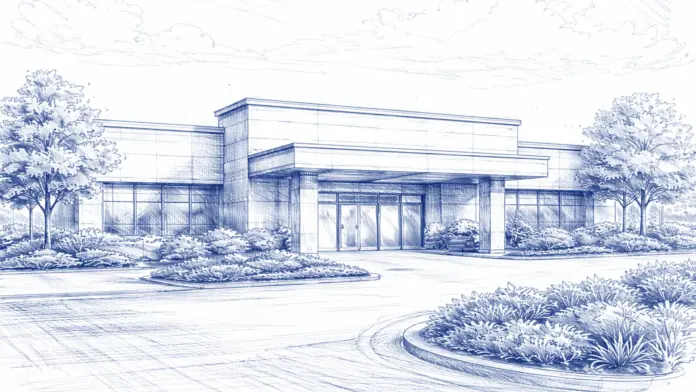
About Naomi Boothe Counseling
Facility Overview
 $140
$140 Latest Reviews



Rehab Score
 Our Methodology


Location
Other Forms of Payment
Per session payment lets you pay for each treatment at the time of service. You may also pay for a certain number of sessions up front and then pay for more if needed. This format allows you to tailor the financial investment to your specific needs and avoid having a large lump sum payment due at the end of the treatment program.
Addiction Treatments
Levels of Care
Inpatient rehabs are designed principally for clients who require intensive supervision and support, including clients who have just completed detox, clients in early recovery, and clients at an elevated risk of relapse. Inpatient treatment helps clients stabilize following detox and prepares them to step-down into outpatient and/or community-based care. Clients reside at the facility for the duration of their program and engage in extensive addiction counseling and education. Many programs also offer evidence-based complementary therapies.
Outpatient rehabs enable clients to receive care without leaving their home, workplace, and community. Clients typically receive intensive addiction counseling, including individual, group, and family therapy. Many programs promote clients' long-term sobriety through recovery-focused life skills training and ancillary services, such as peer coaching. Medication assisted treatment (MAT), including medication induction and maintenance, are common in outpatient care. Most facilities offer multiple levels of care to accommodate clients' evolving needs, including intensive outpatient (IOP) and standard outpatient programming.
Clients in intensive outpatient programs (IOP) receive robust, personalized care to support their reintegration into their community. Clients stepping down from inpatient treatment frequently enroll in IOP before entering standard outpatient care or community-based recovery programs, such as AA. Intensive outpatient treatment generally involves between nine and 20 therapeutic hours weekly, with the frequency and duration of sessions decreasing as clients stabilize. IOP services commonly include counseling, recovery education, holistic therapies, and medication assisted treatment (MAT).
A partial hospitalization program (PHP) is an intensive outpatient option for those with moderate to severe addictions, allowing you to return home at the end of the day. It can be an alternative to hospitalization or used as a step-down option. PHP treatment requires a minimum of 20 hours of treatment per week for an average of 90 days. Depending on your needs, PHP treatment includes relapse prevention, medication management, and behavioral therapy services. PHP treatment is often covered by providers.
Treatments
Substance abuse treatment in Tennessee is available in addiction treatment centers, where experienced addiction professionals can treat both substance use disorders. Typically, clinicians use a range of evidence-based therapies such as a biopsychosocial assessment, cognitive-behavioral therapy, and motivational interviewing to get a complete picture of your mental health, support systems, and motivation to change. Through an individualized treatment plan, you'll receive the support you need to achieve long-term sobriety through new skills and relapse prevention strategies.
If you have a co-occurring mental health condition and an addiction, you'll want to address both conditions at the same time, under the same roof. If you only address the mental health disorder, you'll likely continue using drugs, which tends to make mental health issues even worse. On the other hand, if you only address the addiction, the symptoms of your mental health disorder will make it very hard to succeed in recovery.
Clinical Services
Typical cognitive behavioral therapy in Tennessee involves recognizing negative thinking and learning techniques to change that thinking and create new, positive behaviors. Strategies may include SMART goals, journaling, and situation exposure.
Counseling in Tennessee that takes a dialectical behavior therapy approach can last from six to 12 months. During that time, you'll develop skills in the areas of distress tolerance, mindfulness, emotional regulation, and interpersonal effectiveness.
If you participate in motivational interviewing in Tennessee, your therapist will focus on four key strategies: open questions, affirmation, reflections, and summarizing. Rather than confront or warn you to change, the clinician will allow you to explore your own motivations and decide what changes you may need to make in your life.
Trauma therapy is a safe place to work through the lingering effects of traumatic events in your life. Your therapist will help you understand the physical and emotional responses that can develop after witnessing or experiencing a traumatic event. You then work toward developing healthier coping mechanisms to reduce your symptoms.
Accreditations

State Licenses are permits issued by government agencies that allow rehab organizations to conduct business legally within a certain geographical area. Typically, the kind of program a rehab facility offers, along with its physical location, determines which licenses are required to operate legally.
State License: Tennessee
Contact Information


1222 Tremont St Suite 101C, Chattanooga, TN 37405
Sponsored Helpline
