





























































































About New Haven Residential Treatment Center
New Haven is a residential treatment center in Saratoga Springs, Utah providing substance use and mental health care for adolescent girls.
The program offers residential and outpatient levels of care that combine therapy with experiential modalities, equine assisted services and accredited academic support.
Families appreciate the relationship based approach, structured environment and integration of school and therapy in one campus setting.
What treatment programs are available?
New Haven provides residential treatment with 24/7 care, along with an outpatient program for ongoing support.
Clinical services include therapy, experiential and creative therapies, psychiatric care and equine assisted services, all delivered through a relationship based model.
Who does New Haven treat?
The program specializes in teen girls ages 12 to 18 who are navigating substance abuse alongside co-occurring mental health concerns such as anxiety and depression, trauma and attachment issues, self harm and eating disorders.
Families are a key part of treatment through structured family therapy and involvement.
What is the campus like?
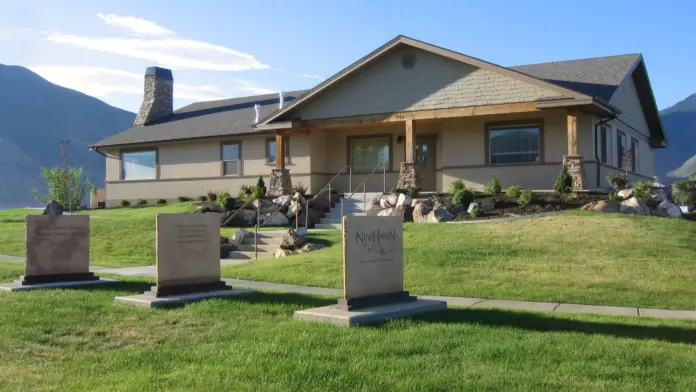
New Haven sits in Saratoga Springs, Utah surrounded by mountain views and open outdoor space that supports experiential and recreational programming.
Girls live in comfortable, home like houses with shared bedrooms and attend school in on campus classrooms as part of the accredited academic program.
Does New Haven accept insurance?
New Haven is a private pay facility and does not accept Medicaid, Medicare or state funding.
As an out of network provider, the team works with many PPO plans, helps verify benefits and accepts cash, check and major credit cards with payment plans available case by case.
Latest Reviews



Rehab Score
 Our Methodology


Location
Addiction Treatments
Levels of Care
A partial hospitalization program (PHP) offers intensive treatment to those with moderate to severe addictions while allowing them to return home. It is often an alternative to inpatient hospitalization and a "step-down" option from residential programs. PHP treatment is tailored to your needs and lasts an average of 90 days. Weekly sessions are up to 8 hours for 5 days a week and can include relapse prevention, medication management, and behavioral therapy services. The cost of PHP treatment varies but is often fully or partially covered by providers.
Treatments
In Utah, dual-diagnosis addiction treatment programs have the expertise to help individuals with co-occurring substance use disorders and mental health conditions. These specialized programs are available in an intensive outpatient or residential inpatient setting, depending on the severity of the patient's mental health. Treatment incorporates therapies, such as cognitive-behavioral therapy (CBT), dialectical behavior therapy (DBT), 12-Step recovery, skills training, medication management, and aftercare support.
When treating substance use disorder and a mental health condition, the best approach is to treat both conditions at the same time. Known as dual diagnosis treatment, this kind of specialized care provides you with 24/7 access to medical and mental health professionals, group therapy in order to provide a supportive peer group, and family therapy which helps to improve relationships with loved ones.
Clinical Services
Specialists trained in creative arts therapy can incorporate methods such as art, music, and writing therapy in your treatment program. These expressive methods may be combined with psychodynamic therapy and mindfulness based approaches.
Therapists may use cognitive behavioral therapy (CBT) in Utah to address substance use and mental health disorders. The main focus is to change thinking patterns, which leads to behavioral change. Subtypes of CBT include exposure therapy, dialectical behavior therapy, and acceptance commitment therapy.
Trauma therapy addresses the psychological impact of traumatic events. Together with a therapist, you identify the impact that trauma has had on your life and the factors that trigger emotional and physical responses. You develop better coping mechanisms to rebuild a sense of safety and trust in your life.
 Animal Therapy
Family therapists work with all members of the family unit to understand the impact that addiction has had on the family collectively and individually. Together they develop strategies to help their loved one recover. The therapist facilitates open discussions between family members to help build resilience and improve interactions. Ultimately, this supports their loved one's path to sobriety.
Recreational therapy helps you in your addiction recovery program by improving your overall well being. Activities can include sports, music, and nature excursions that give you positive experiences, reduce your cravings, and offer the opportunity to reduce your stress. These aid in your addiction recovery.
Accreditations

The Joint Commission, formerly known as JCAHO, is a nonprofit organization that accredits rehab organizations and programs. Founded in 1951, the Joint Commision's mission is to improve the quality of patient care and demonstrating the quality of patient care.
Joint Commission Accreditation: Yes
Rehab.com regularly reviews this listing for accuracy but changes may occur between updates. For the most up-to-date information, please contact New Haven Residential Treatment Center.
Contact Information


228 W. 400 N.
Saratoga Springs, UT 84045
Sponsored Helpline


