





























































































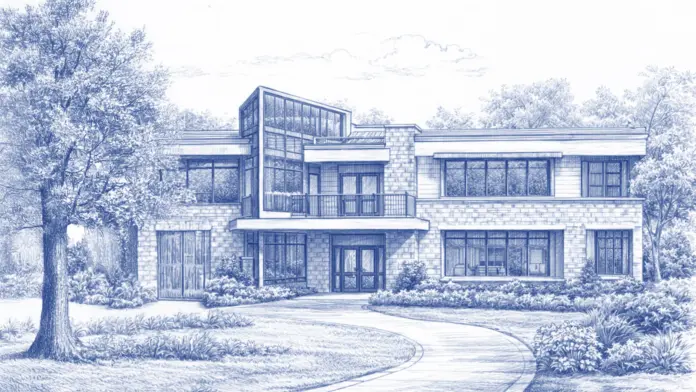
About NFI – Northeastern Family Institute – Allenbrook
Northeastern Family Institute is a co-ed youth community home located in South Burlington, Vermont. They accept children between the ages of 11 and 18, and they are able to arrange extended care agreements through the state of Vermont for anyone who turns 18 during their stay.
The staff help with a variety of behavioral health concerns, with particular focus on healing trauma that may contribute to addiction.
The Teaching Family Model
NFI Allenbrook uses the Teaching Family Model of care, which is a trauma-informed approach to therapeutic group living. The idea is for youths to learn new, preferred behaviors by watching others and copying them.
Clients can develop healthier coping mechanisms and avoid using substances as a means of relieving stress.
This organic way of learning can take some time, so the length of stay varies drastically depending on each child’s needs. This method helps adolescents build the skills they need to build solid relationships and smoothly enter the independence of adulthood.
Integration with the Burlington Community
What’s special about this NFI residential program is the way it leans into the local community. Not only do the adolescents attend local off-campus schools, they also have additional opportunities to get involved with clubs and support groups outside of the residence.

Rehab Score
 Our Methodology


Location
Other Forms of Payment
Self-pay involves paying for treatment out of your own pocket. You can use savings or credit, get a personal loan, or receive help from family and friends to fund your treatment. If you don't have insurance or your insurance plan doesn't cover a specific program, self-pay can help ensure you still get the care you need.
Financial aid can take many forms. Centers may have grants or scholarships available to clients who meet eligibility requirements. Programs that receive SAMHSA grants may have financial aid available for those who need treatment as well. Grants and scholarships can help you pai for treatment without having to repay.
Medicaid is a state based program that helps lower-income individuals and families pay for healthcare. Medicaid covers addiction treatment so those enrolled can use their coverage to pay for rehab. When a program accepts Medicaid the client often pays very little or nothing out of their own pocket.
Private insurance refers to any kind of healthcare coverage that isn't from the state or federal government. This includes individual and family plans offered by an employer or purchased from the Insurance Marketplace. Every plan will have different requirements and out of pocket costs so be sure to get the full details before you start treatment.
Addiction Treatments
Levels of Care
Residential treatment programs are those that offer housing and meals in addition to substance abuse treatment. Rehab facilities that offer residential treatment allow patients to focus solely on recovery, in an environment totally separate from their lives. Some rehab centers specialize in short-term residential treatment (a few days to a week or two), while others solely provide treatment on a long-term basis (several weeks to months). Some offer both, and tailor treatment to the patient's individual requirements.
Completing a drug or alcohol rehab program shouldn't spell the end of substance abuse treatment. Aftercare involves making a sustainable plan for recovery, including ongoing support. This can include sober living arrangements like halfway houses, career counseling, and setting a patient up with community programs like Alcoholics Anonymous (AA) or Narcotics Anonymous (NA).
Treatments
Many of those suffering from addiction also suffer from mental or emotional illnesses like schizophrenia, bipolar disorder, depression, or anxiety disorders. Rehab and other substance abuse facilities treating those with a dual diagnosis or co-occurring disorder administer psychiatric treatment to address the person's mental health issue in addition to drug and alcohol rehabilitation.
Mental health rehabs focus on helping individuals recover from mental illnesses like bipolar disorder, clinical depression, anxiety disorders, schizophrenia, and more. Mental health professionals at these facilities are trained to understand and treat mental health issues, both in individual and group settings.
Clinical Services
Creativity is inherently healing, and can help those in recovery express thoughts or feelings they might not otherwise be able to. Creative arts therapy can include music, poetry/writing, painting, sculpting, dance, theater, sandplay, and more. Unlike traditional art, the final product matters far less than the experience of creation and expression itself.
Research clearly demonstrates that recovery is far more successful and sustainable when loved ones like family members participate in rehab and substance abuse treatment. Genetic factors may be at play when it comes to drug and alcohol addiction, as well as mental health issues. Family dynamics often play a critical role in addiction triggers, and if properly educated, family members can be a strong source of support when it comes to rehabilitation.
Group therapy is any therapeutic work that happens in a group (not one-on-one). There are a number of different group therapy modalities, including support groups, experiential therapy, psycho-education, and more. Group therapy involves treatment as well as processing interaction between group members.
In individual therapy, a patient meets one-on-one with a trained psychologist or counselor. Therapy is a pivotal part of effective substance abuse treatment, as it often covers root causes of addiction, including challenges faced by the patient in their social, family, and work/school life.
Life skills trainings involve all the skills a person must have in order to function successfully in the world. These include time management, career guidance, money management, and effective communication. Truly successful addiction recovery is based on the ability to not only live substance-free, but to thrive. Life skills teaches the practical necessities of functioning in society, which sets clients up for success in life, and therefore sobriety.
Recreational therapy (aka therapeutic recreation) uses creative and fun activities to help with addiction recovery. Recreational therapists lead patients in entertaining and engaging activities like sports or games; art (drawing, painting, sculpture); drama, music, and dance; and/or community outings (field trips) to improve patients' physical, social, and emotional well-being.
Trauma therapy addresses traumatic incidents from a client's past that are likely affecting their present-day experience. Trauma is often one of the primary triggers and potential causes of addiction, and can stem from child sexual abuse, domestic violence, having a parent with a mental illness, losing one or both parents at a young age, teenage or adult sexual assault, or any number of other factors. The purpose of trauma therapy is to allow a patient to process trauma and move through and past it, with the help of trained and compassionate mental health professionals.
Amenities
-
 Residential Setting
 -
 Private Setting
Rehab.com regularly reviews this listing for accuracy but changes may occur between updates. For the most up-to-date information, please contact NFI – Northeastern Family Institute – Allenbrook.
Contact Information

100 Allen Road
South Burlington, VT 05403
Sponsored Helpline


