




























































































About Passages
The underlying causes they focus on are chemical imbalance, things clients believe that aren’t true, events of the past haven’t been reconciled and current conditions clients can’t cope with. Staff members on the team are addiction specialists who are trained to treat these issues.
One of the things I like about this facility is they have unique holistic treatment methods that patients can receive. Some treatments available to clients include acupuncture, massage, hypnotherapy and personal training. They combine these treatments with evidence based solutions such as individual and group therapy.
Individual counseling sessions help guide clients toward understanding the underlying cause of their addiction. The therapeutic approaches that counselors will use are family systems techniques and cognitive behavioral therapy (CBT). A unique thing about Passages Ventura is clients can receive multiple one-on-one therapy sessions per week.
The facility believes this approach provides clients a chance to process their issues more in-depth. Group treatments will focus on various topics that can help with treating addiction, such as emotional healing, self-regulation and aftercare planning. Clients will also have access to weekly individual appointments with a doctor who will create a healthy natural detox plan and a long-term health and wellness plan.
Latest Reviews

Our goal is to provide compassionate, individualized care that helps each client address the underlying causes of addiction and build a healthier path forward. It means a great deal to know that Passages was a meaningful source of support for you.
We sincerely appreciate you taking the time to share your experience and wish you continued strength and success on your journey.

It means a great deal to our entire team to know that you felt cared for and supported throughout both inpatient treatment and sober living. Your kind words are deeply appreciated, and we are honored to have played a role in helping you move forward toward a healthier, more fulfilling life.
We wish you continued strength, peace, and success on your journey.

We’re honored to have been part of your journey off Xanax after 11 years—that’s a significant and courageous step. Benzodiazepine tapering can feel intimidating, and we’re glad to hear that the medically supervised approach, supportive environment, and compassionate staff helped make the process more manageable than you expected.
Our goal is always to provide a safe, structured, and respectful setting where healing can happen without unnecessary fear or discomfort, and it means a great deal to know that came through in your experience.
We wish you continued strength, clarity, and success as you move forward in your recovery. Thank you again for trusting Passages with such an important chapter of your life.

Rehab Score
 Our Methodology


Gallery

Accepted Insurance


Other Forms of Payment
Private insurance refers to any kind of healthcare coverage that isn't from the state or federal government. This includes individual and family plans offered by an employer or purchased from the Insurance Marketplace. Every plan will have different requirements and out of pocket costs so be sure to get the full details before you start treatment.
Self-pay involves paying for treatment out of your own pocket. You can use savings or credit, get a personal loan, or receive help from family and friends to fund your treatment. If you don't have insurance or your insurance plan doesn't cover a specific program, self-pay can help ensure you still get the care you need.
Military members, veterans, and eligible dependents have access to specific insurance programs that help them get the care they need. TRICARE and VA insurance can help you access low cost or no cost addiction and mental health treatment. Programs that accept military insurance often have targeted treatment focused on the unique challenges military members, veterans, and their families face.
 Monthly
Addiction Treatments
Levels of Care
Drug and alcohol addiction often takes a heavy toll on one's body. Over time, a physical dependence can develop, meaning the body physiologically needs the substance to function. Detox is the process of removing drugs and/or alcohol from the body, a process that can be lethal if mismanaged. Medical detox is done by licensed medical professionals who monitor vital signs and keep you safe, healthy, and as comfortable as possible as you go through detox and withdrawal. Passages Malibu offers a variety of customized alcohol detox options, and they will adjust the patient's detox program accordingly depending on the severity of the case.
At certain points in the recovery process, it's important to have support available 24/7. 24-hour clinical care offers a safe environment in which to recover from drug or alcohol addiction in peace, knowing medical detox and other treatment will happen with professionals on hand.
Residential treatment programs are those that offer housing and meals in addition to substance abuse treatment. Rehab facilities that offer residential treatment allow patients to focus solely on recovery, in an environment totally separate from their lives. Some rehab centers specialize in short-term residential treatment (a few days to a week or two), while others solely provide treatment on a long-term basis (several weeks to months). Some offer both, and tailor treatment to the patient's individual requirements. When you check into Passages Malibu, you will be assigned a 10-person team consisting of therapists and administrators.
Completing a drug or alcohol rehab program shouldn't spell the end of substance abuse treatment. Aftercare involves making a sustainable plan for recovery, including ongoing support. This can include sober living arrangements like halfway houses, career counseling, and setting a patient up with community programs like Alcoholics Anonymous (AA) or Narcotics Anonymous (NA).
Intervention services helps family or friends of addicts stage an intervention, which is a meeting in which loved ones share their concerns and attempt to get an addict into treatment. Professional intervention specialists can help loved ones organize, gather, and communicate with an addict. They can guide intervention participants in describing the damage the addict's behavior is causing and that outside help is necessary to address the addiction. The ideal outcome of an intervention is for the addict to go to rehab and get the help they need.
Outpatient Programs (OP) are for those seeking mental rehab or drug rehab, but who also stay at home every night. The main difference between outpatient treatment (OP) and intensive outpatient treatment (IOP) lies in the amount of hours the patient spends at the facility. Most of the time an outpatient program is designed for someone who has completed an inpatient stay and is looking to continue their growth in recovery. Outpatient is not meant to be the starting point, it is commonly referred to as aftercare.
A partial hospitalization program (PHP) is a short-term form of intensive rehab, usually for those with acute symptoms that are hard to manage but don’t require 24-hour care. PHPs have structured programming (i.e. individual and/or group therapy), and usually meet 3-5 days a week for around 6 hours (i.e. 9am-3m). Some PHPs are residential (patients sleep on site) and some are not, so patients sleep at home. PHPs can last from 1-6 months, and some offer transportation and meals.
Treatments
The goal of treatment for alcoholism is abstinence. Those with poor social support, poor motivation, or psychiatric disorders tend to relapse within a few years of treatment. For these people, success is measured by longer periods of abstinence, reduced use of alcohol, better health, and improved social functioning. Recovery and Maintenance are usually based on 12 step programs and AA meetings.
Drug rehab in California teaches participants constructive ways to stay clean and sober. Treatment revolves around helping individuals stop using the substance they are addicted to and learn healthy habits to avoid relapse.
Opioid rehabs specialize in supporting those recovering from opioid addiction. They treat those suffering from addiction to illegal opioids like heroin, as well as prescription drugs like oxycodone. These centers typically combine both physical as well as mental and emotional support to help stop addiction. Physical support often includes medical detox and subsequent medical support (including medication), and mental support includes in-depth therapy to address the underlying causes of addiction.
Substance rehabs focus on helping individuals recover from substance abuse, including alcohol and drug addiction (both illegal and prescription drugs). They often include the opportunity to engage in both individual as well as group therapy.
Programs
Adult rehab programs include therapies tailored to each client's specific needs, goals, and recovery progress. They are tailored to the specific challenges adult clients may face, including family and work pressures and commitments. From inpatient and residential treatment to various levels of outpatient services, there are many options available. Some facilities also help adults work through co-occurring conditions, like anxiety, that can accompany addiction.
Young adulthood can be an exciting, yet difficult, time of transition. Individuals in their late teens to mid-20s face unique stressors related to school, jobs, families, and social circles, which can lead to a rise in substance use. Rehab centers with dedicated young adult programs will include activities and amenities that cater to this age group, with an emphasis on specialized counseling, peer socialization, and ongoing aftercare.
Clinical Services
Research clearly demonstrates that recovery is far more successful and sustainable when loved ones like family members participate in rehab and substance abuse treatment. In order to heal the damaged interpersonal relationships often caused by addiction, Passages Malibu offers Marriage & Family Therapy as one of the traditional treatment methods. Genetic factors may be at play when it comes to drug and alcohol addiction, as well as mental health issues. Family dynamics often play a critical role in addiction triggers, and if properly educated, family members can be a strong source of support when it comes to rehabilitation.
Hypnotherapy (aka guided hypnosis) can be used as a therapeutic modality to treat substance use, especially in terms of quitting smoking cigarettes (nicotine). Clinical hypnotherapists help clients turn their attention inward, accessing unconscious or subconscious material, and then make suggestions that are healthier for the individual. Hypnotherapy is used effectively as part of our drug and alcohol addiction treatment program by reinforcing positive behavioral changes sought by those seeking to break their addictions. Hypnotherapy is used effectively as part of the drug and alcohol addiction treatment program by reinforcing positive behavioral changes sought by those seeking to break their addictions.Hypnotherapy is utilized effectively as part of our drug and alcohol addiction treatment program by reinforcing positive behavioral changes sought by those seeking to break their addictions. The process can help clients make deep, positive, and lasting changes, including ceasing addictive habits.
In individual therapy, a patient meets one-on-one with a trained psychologist or counselor. Therapy is a pivotal part of effective substance abuse treatment, as it often covers root causes of addiction, including challenges faced by the patient in their social, family, and work/school life.
Motivational Interviewing (MI) is a clinical approach to helping people with substance abuse issues and other conditions shift behavior in positive ways. It is more goal-oriented than traditional psychotherapy, as MI counselors directly attempt to get clients to consider making behavioral change (rather than wait for them to come to conclusions themselves). Its primary purpose is to resolve ambivalence and help clients become able to make healthy choices freely.
Amenities
-
 Private Setting
 -
 Yoga Studio
 -
 Wifi
Wifi -
 Private Rooms
 -
 Hiking
Staff & Accreditations
Staff
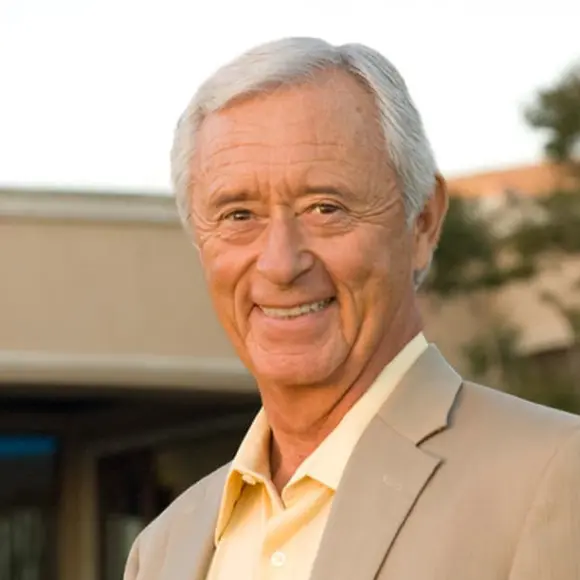
Chris Prentiss
Co-Founder
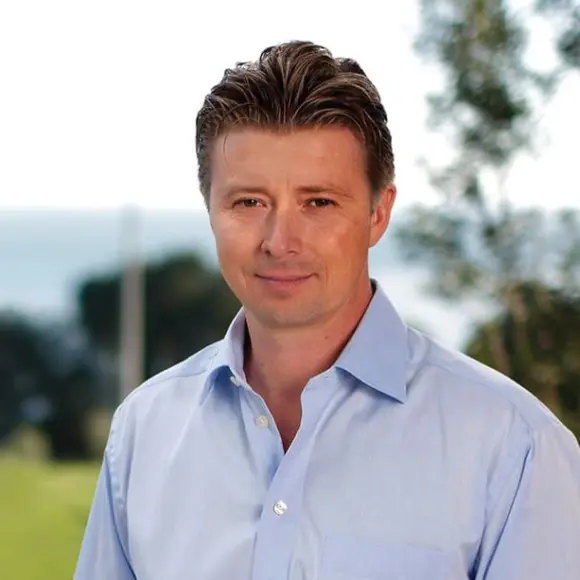
Pax Prentiss
Co-Founder & CEO
Accreditations

The Joint Commission, formerly known as JCAHO, is a nonprofit organization that accredits rehab organizations and programs. Founded in 1951, the Joint Commision's mission is to improve the quality of patient care and demonstrating the quality of patient care.
Joint Commission Accreditation: Yes
Accreditation Number: 488313
Rehab.com regularly reviews this listing for accuracy but changes may occur between updates. For the most up-to-date information, please contact Passages.
Contact Information


241 Market Street
Port Hueneme, CA 93041
Sponsored Helpline



