
























































































About Pittsburgh Recovery Centers
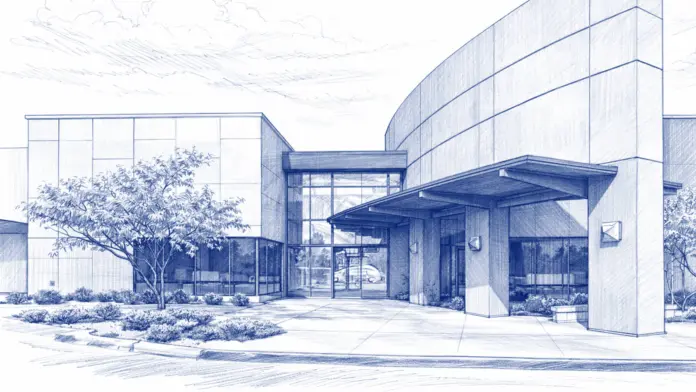
Pittsburgh Recovery Centers provides individualized outpatient care for substance use disorders in Pittsburgh, Pennsylvania. They pair clinical insights with lasting spiritual principles to support long term recovery. They work with most health insurance plans and accept PPO and POS plans.
A Full Continuum of Care
They offer a range of evidence based substance use disorder treatment built around three primary levels of care. These include partial hospitalization, intensive and standard outpatient programs. They understand that treatment must be tailored to meet the client’s individual needs and are committed to working with you to develop an individualized treatment plan that will support your long term recovery.
Tools for a Balanced Life
I was glad to see that they offer holistic services, including yoga, art therapy, fitness and nutrition counseling and experiential therapies. This type of whole person support can help you develop the tools and resources you need for continued recovery and a balanced life.
Aftercare Support
Clients who have completed one of their outpatient programs will continue to receive support after discharge through their alumni support programs, which include counseling sessions, support group meetings and social events. It’s worth noting that these lasting connections can help you grow in recovery and stay engaged through the center’s lifetime aftercare support.
Facility Overview
 31 - 60
 Latest Reviews



Rehab Score
 Our Methodology


Location
Accepted Insurance
Other Forms of Payment
Private insurance refers to any kind of healthcare coverage that isn't from the state or federal government. This includes individual and family plans offered by an employer or purchased from the Insurance Marketplace. Every plan will have different requirements and out of pocket costs so be sure to get the full details before you start treatment.
Medicaid is a state based program that helps lower-income individuals and families pay for healthcare. Medicaid covers addiction treatment so those enrolled can use their coverage to pay for rehab. When a program accepts Medicaid the client often pays very little or nothing out of their own pocket.
Medicare is a federal program that provides health insurance for those 65 and older. It also serves people under 65 with chronic and disabling health challenges. To use Medicare for addiction treatment you need to find a program that accepts Medicare and is in network with your plan. Out of pocket costs and preauthorization requirements vary, so always check with your provider.
Self-pay involves paying for treatment out of your own pocket. You can use savings or credit, get a personal loan, or receive help from family and friends to fund your treatment. If you don't have insurance or your insurance plan doesn't cover a specific program, self-pay can help ensure you still get the care you need.
Addiction Treatments
Levels of Care
With a partial hospitalization program (PHP), you can participate in intensive rehabilitation treatment with the ability to return home at the end of the day. For a weekly minimum of 20 hours, a partial hospitalization program can take place up to 5 days a week for an average of 90 days. During PHP treatment, you can receive relapse prevention strategies, medication management, individual and group therapy, and other behavioral therapy interventions.
Clients engaged in intensive outpatient programs (IOP) live and work in their home community while receiving frequent, high-level care. These programs offer personalized care designed to evolve with the clients' changing needs. Many intensive outpatient rehabs require a minimum of nine hours of treatment per week, but high-risk clients and those in early recovery may receive up to 20 hours of care weekly. IOP services generally include addiction counseling, recovery education, and holistic therapies, such as massage.
Outpatient rehabs specialize in providing comprehensive care for clients who choose to remain in their homes and communities during treatment. Their services may include transitional support for clients stepping down from intensive inpatient programming. Ambulatory medical detox may be provided for clients at low risk for withdrawal complications. Many programs include evening, night, and weekend services to accommodate clients who are working professionals or caregivers. Addiction counseling and life skills training are common treatment modalities.
Treatments
Alcoholism is a syndrome of dependent alcohol use. Also called alcohol use disorder (AUD), the symptoms include craving alcohol, not being able to stop drinking, and feeling anxious or irritable when not drinking. For many people, alcohol rehab in Pennsylvania is a beneficial treatment. Programs offer many levels of care, including medical and behavioral therapies.
Drug rehab in Pennsylvania is devoted to the treatment of addiction. Levels of care, treatment methods, and settings differ, but the aim of each program is to end drug dependency and empower participants to achieve long-term recovery.
 Opioid Addiction
In Pennsylvania, substance abuse treatment programs can help address addiction and any co-occurring mental health problems. These programs incorporate evidence-based therapies such as cognitive-behavioral therapy (CBT), dialectical behavior therapy (DBT), and psychoeducation to help you uncover the underlying causes for your substance use and develop new skills to help you manage stress and overcome future triggers which may challenge your sobriety.
Pennsylvania's specialized dual-diagnosis addiction treatment programs prioritize comprehensive care for individuals with co-occurring substance use disorders and mental health conditions. Providing various levels of care, including outpatient, inpatient, and partial hospitalization, dual-diagnosis experts use evidence-based therapies, recovery support groups, and education to treat both disorders, promote mental health, and improve your quality of life.
Clinical Services
Cognitive behavioral therapy (CBT) in Pennsylvania can be helpful to individuals who are experiencing substance use disorder and various mental health conditions. It helps you identify damaging thought and behavior patterns and replace them with healthy ones.
Family therapy teaches individual family members in Pennsylvania the benefits of collectively combating addiction. Therapists help individual members establish healthy boundaries between themselves and their loved one who is struggling with addiction. This helps improve emotional support systems and creates a bond so families work together to sustain long term recovery.
Group therapy sessions in Pennsylvania offer you a safe space when you're struggling with drug and alcohol addiction. You can openly discuss your challenges and the progress you're making in rehabilitation. Sharing this responsibility with others in your group fosters a commitment to sobriety and helps create strong bonds with your peers.
Personalized therapy sessions in Pennsylvania typically include a safe and nonjudgmental setting in which you can express your deepest emotions and feelings and explore the factors that have contributed to addiction. Therapists tailor the sessions to help you develop healthier thought patterns and behaviors, which improve your self control and build a foundation for your long term sobriety.
Emotions that surface during experiential therapy can reveal how you've coped with situations in the past. A trained therapist will guide you through conversations about your emotions and reactions either during therapy or in a follow up session. Therapy may include activities such as equine therapy, wilderness therapy, martial arts, drama, music, or art.
Contact Information


1817 Brownsville Rd, Pittsburgh, PA 15210
Sponsored Helpline

