































































































In this place they don't care about anyone, they only attend to patients when they feel like it. The people who need more help don't get it. I really hate the time I waste in this place, the staff is really incompetent.
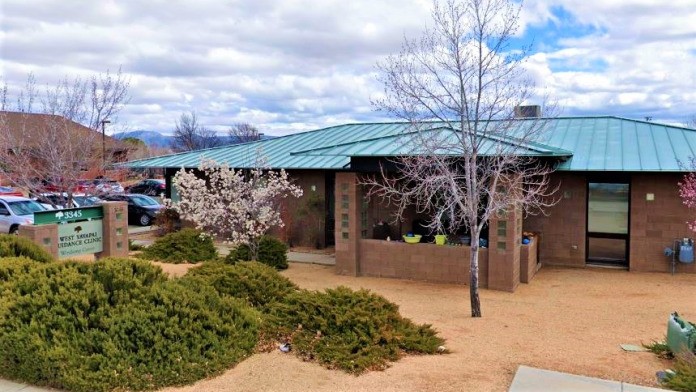
About Polara Health – Windsong Center
They welcome adults battling addiction, severe mental illnesses and co-occurring disorders. You’ll benefit from inclusive services with personalized treatment plans in English and Spanish. They also have flexible payment options, including private insurance, Medicaid, Medicare and sliding scale fees based on eligibility.
You’ll work together with their dedicated team to define and accomplish your recovery goals. They’re there to support you every step of the way while encouraging personal empowerment and ownership. You can access outpatient programs that offer the convenience of living at home while attending treatment. That way you can focus on recovery while maintaining other essential responsibilities.
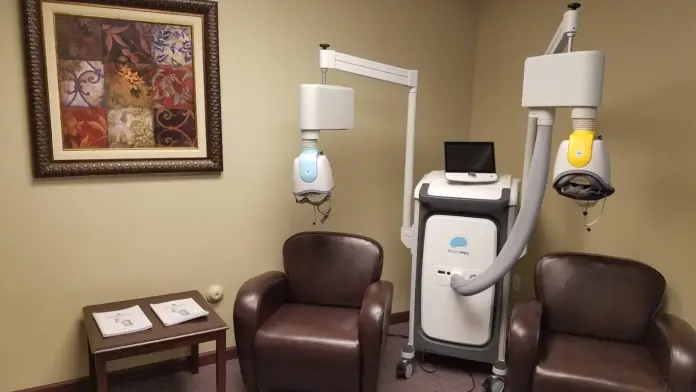
What stands out most to me is their outpatient programs take a comprehensive, whole-person approach. With a blend of proven and holistic treatments, you’ll benefit from an individualized treatment plan that addresses your overall wellness. You can participate in individual therapy, group counseling, education, support groups, case management and more. These practices help you gain essential coping and relapse prevention skills as you progress in recovery.
Another eye-catching feature is their vocational rehabilitation services. Struggling with addiction can take a toll on several life aspects, especially employment. Their program provides support and guidance to gain vital skills to succeed in the workforce. You’ll learn about professional communication, time management, resume and cover letter writing, computer skills and interviewing skills. I think it’s great how they give you the tools to explore your passions and rebuild your life after completing treatment.
Latest Reviews
I've been getting great care here for a few years now. However, recently it seems that the company that administers Polara has changed. This change came along with a mandate for hours of service per day that the therapists have to meet. No shows and cancellations are not accounted for. I have been at jobs where there are requirements such as this. It does NOTHING but cause stress and sometimes sessions that are pushed hard to end after the time allotted. At said jobs, people would literally hoard general tasks so they can meet their required hours per day/week/month. This mandate also leads to rapid turnover. I'm not sure the cancellation of that mandate will have immediate results, assuming it's still in place. It's not really my place to check up on these things. I'm just a patient.
Response from the owner1 week ago
We are sorry to hear about your experience. We work to provide quality services that support hope, help and healing. Please reach out to our Quality Management Department at 928-445-5211 regarding your concerns.
It was a good experience overall, not sure why there's so many negative reviews, but in my case, the staff were friendly and nice, and the doctor was great too.
We have had nothing but great experiences at Polara Health.

Rehab Score
 Our Methodology
Scoring is assigned by a proprietary system which helps surface key metrics that determine quality. The 10-point scale factors in categories such as operations, customer satisfaction, and trust metrics. Read Full Methodology

6.5 / 10
Gallery
Accepted Insurance
Other Forms of Payment
Private insurance refers to any kind of healthcare coverage that isn't from the state or federal government. This includes individual and family plans offered by an employer or purchased from the Insurance Marketplace. Every plan will have different requirements and out of pocket costs so be sure to get the full details before you start treatment.
Self-pay involves paying for treatment out of your own pocket. You can use savings or credit, get a personal loan, or receive help from family and friends to fund your treatment. If you don't have insurance or your insurance plan doesn't cover a specific program, self-pay can help ensure you still get the care you need.
Financial aid can take many forms. Centers may have grants or scholarships available to clients who meet eligibility requirements. Programs that receive SAMHSA grants may have financial aid available for those who need treatment as well. Grants and scholarships can help you pai for treatment without having to repay.
Sliding scale payments are based on a client's income and family size. The goal is to make treatment affordable to everyone. By taking these factors into account, addiction recovery care providers help ensure that your treatment does not become a financial burden to you or your family, eliminating one barrier to care.
Medicare is a federal program that provides health insurance for those 65 and older. It also serves people under 65 with chronic and disabling health challenges. To use Medicare for addiction treatment you need to find a program that accepts Medicare and is in network with your plan. Out of pocket costs and preauthorization requirements vary, so always check with your provider.
Military members, veterans, and eligible dependents have access to specific insurance programs that help them get the care they need. TRICARE and VA insurance can help you access low cost or no cost addiction and mental health treatment. Programs that accept military insurance often have targeted treatment focused on the unique challenges military members, veterans, and their families face.
Medicaid is a state based program that helps lower-income individuals and families pay for healthcare. Medicaid covers addiction treatment so those enrolled can use their coverage to pay for rehab. When a program accepts Medicaid the client often pays very little or nothing out of their own pocket.
Addiction Treatments
Levels of Care
Outpatient Programs (OP) are for those seeking mental rehab or drug rehab, but who also stay at home every night. The main difference between outpatient treatment (OP) and intensive outpatient treatment (IOP) lies in the amount of hours the patient spends at the facility. Most of the time an outpatient program is designed for someone who has completed an inpatient stay and is looking to continue their growth in recovery. Outpatient is not meant to be the starting point, it is commonly referred to as aftercare.
Inpatient rehab is designed primarily for persons in early recovery and those who are exiting detox programs. It's ideal for clients in crisis or at an elevated risk of relapse. Inpatient treatment centers provide housing and meals, allowing clients to focus on their recovery away from distractions and addiction triggers. Clients engage in intensive psychotherapy, and many inpatient programs feature recovery-focused life skills training and/or complementary therapies like meditation, creative arts therapy, and other holistic treatments.
Intensive Outpatient Programs (IOP) are for those who want or need a very structured treatment program but who also wish to live at home and continue with certain responsibilities (such as work or school). IOP substance abuse treatment programs vary in duration and intensity, and certain outpatient rehab centers will offer individualized treatment programs.
Rehab aftercare programs support clients' successful reintegration into their home, workplace, and community. Drug rehab aftercare presumes that recovery requires life-long support. These programs typically offer a wide variety of services customized for the clients' unique and evolving needs. Clients may receive vocational training and career counseling, housing assistance, legal aid, peer coaching, and 12 step program induction, among other services. Clients' case managers often play a lead role in rehab aftercare planning.
The initial phase of recovery treatment typically includes 24-hour clinical care in Arizona. This constant supervision ensures a safe detox process, which helps the individual physically stabilize from substance use. Patients will receive medications to curb withdrawal symptoms and cravings, as well as other necessary medical treatment. This period typically lasts up to a week, then the individual will receive medical clearance to begin inpatient or outpatient rehab.
The safest way to remove addictive substances from your body is done under the care of licensed medical professionals. Known as medically assisted detox, this level of care is typically in an inpatient setting with a team of medical experts that may include doctors, nurses, and mental health clinicians. Medications like Suboxone, methadone, or Vivitrol may be administered to help alleviate withdrawal symptoms.
Treatments
Many of those suffering from addiction also suffer from mental or emotional illnesses like schizophrenia, bipolar disorder, depression, or anxiety disorders. Rehab and other substance abuse facilities treating those with a dual diagnosis or co-occurring disorder administer psychiatric treatment to address the person's mental health issue in addition to drug and alcohol rehabilitation.
Mental health rehabs focus on helping individuals recover from mental illnesses like bipolar disorder, clinical depression, anxiety disorders, schizophrenia, and more. Mental health professionals at these facilities are trained to understand and treat mental health issues, both in individual and group settings.
Programs
Adult rehab programs include therapies tailored to each client's specific needs, goals, and recovery progress. They are tailored to the specific challenges adult clients may face, including family and work pressures and commitments. From inpatient and residential treatment to various levels of outpatient services, there are many options available. Some facilities also help adults work through co-occurring conditions, like anxiety, that can accompany addiction.
Young adulthood can be an exciting, yet difficult, time of transition. Individuals in their late teens to mid-20s face unique stressors related to school, jobs, families, and social circles, which can lead to a rise in substance use. Rehab centers with dedicated young adult programs will include activities and amenities that cater to this age group, with an emphasis on specialized counseling, peer socialization, and ongoing aftercare.
Recovery is most successful when clients feel accepted and validated by their peers and treatment providers. Facilities that offer LGBTQ-inclusive programming are committed to creating a safe space where everyone can grow and recover without fear of judgment or discrimination. They will have dedicated policies in place to create a safe and supportive environment that fosters free expression.
Serving in the military is both mentally and physically challenging, and can result in trauma that persists even after combat ends. Military programs are tailored to the specific and often complex needs of active duty personnel, veterans, and military families. Clients often access these programs through the U.S. Department of Veterans Affairs (VA).
Clinical Services
Cognitive Behavioral Therapy (CBT) is a therapy modality that focuses on the relationship between one's thoughts, feelings, and behaviors. It is used to establish and allow for healthy responses to thoughts and feelings (instead of unhealthy responses, like using drugs or alcohol). CBT has been proven effective for recovering addicts of all kinds, and is used to strengthen a patient's own self-awareness and ability to self-regulate. CBT allows individuals to monitor their own emotional state, become more adept at communicating with others, and manage stress without needing to engage in substance abuse.
Group therapy is any therapeutic work that happens in a group (not one-on-one). There are a number of different group therapy modalities, including support groups, experiential therapy, psycho-education, and more. Group therapy involves treatment as well as processing interaction between group members.
In individual therapy, a patient meets one-on-one with a trained psychologist or counselor. Therapy is a pivotal part of effective substance abuse treatment, as it often covers root causes of addiction, including challenges faced by the patient in their social, family, and work/school life.
The goal of motivational interviewing in Arizona is to enhance your confidence in your ability to make changes in your life. It encourages you to commit to change and plan for the process of making those changes that will allow you to reach your goals.
Trauma therapy addresses traumatic incidents from a client's past that are likely affecting their present-day experience. Trauma is often one of the primary triggers and potential causes of addiction, and can stem from child sexual abuse, domestic violence, having a parent with a mental illness, losing one or both parents at a young age, teenage or adult sexual assault, or any number of other factors. The purpose of trauma therapy is to allow a patient to process trauma and move through and past it, with the help of trained and compassionate mental health professionals.
Residents of Arizona who are experiencing relationship problems may benefit from couples therapy. This form of psychotherapy helps couples express their feelings, resolve conflicts, and increase intimacy and affection.
Research clearly demonstrates that recovery is far more successful and sustainable when loved ones like family members participate in rehab and substance abuse treatment. Genetic factors may be at play when it comes to drug and alcohol addiction, as well as mental health issues. Family dynamics often play a critical role in addiction triggers, and if properly educated, family members can be a strong source of support when it comes to rehabilitation.
Amenities
-
 Private Transportation
 -
 Residential Setting
 -
 Private Rooms
Staff & Accreditations
Staff
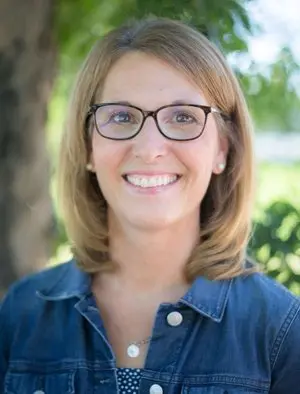
Tamara Player
President and CEO
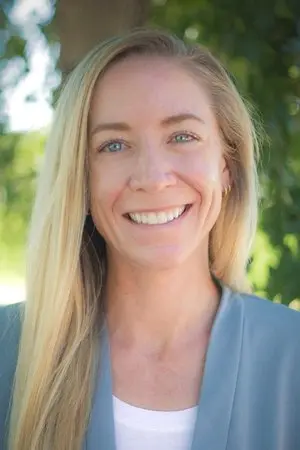
Erin Kantor
Chief Clinical Operation Officer
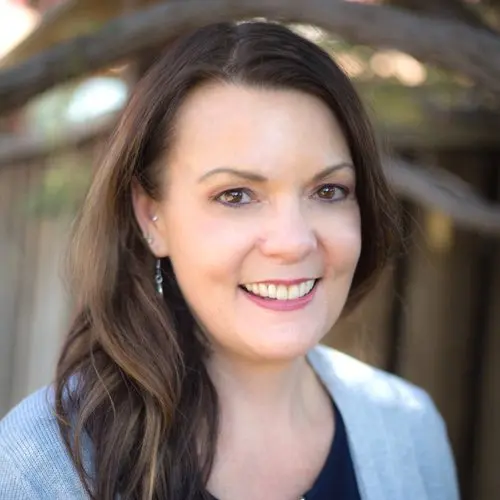
Kara Langley
Chief Financial and Administrative Officer
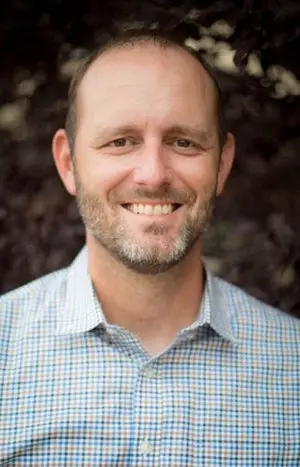
Peter Fabian
Chief Technology Officer
Accreditations

The Joint Commission, formerly known as JCAHO, is a nonprofit organization that accredits rehab organizations and programs. Founded in 1951, the Joint Commision's mission is to improve the quality of patient care and demonstrating the quality of patient care.
Joint Commission Accreditation: Yes
Accreditation Number: 287373
Rehab.com regularly reviews this listing for accuracy but changes may occur between updates. For the most up-to-date information, please contact Polara Health – Windsong Center.
Contact Information

3345 North Windsong Drive
Prescott Valley, AZ 86314
Get Help Now - 928-362-4304
Sponsored Helpline
Sponsored Helpline



