






























































































For the first time my family member didn’t feel like just a number in treatment. She felt loved on and Felt heard and was given treatment that superseded anything before. We are so grateful for Restore.
About Restore Detox Centers
Detox is the process of weaning the client off of the abused substance and removing the chemicals leaving their body. Medication is administered by medical professionals while monitoring and ensuring the client has proper nutrition. Recovery education is provided throughout detox.
Residential treatment follows detox as clients live in a luxury home to focus on recovery. Clients will engage in daily group sessions and weekly individual therapy sessions. High-quality meals are provided daily to the residents while they live in a resort-like setting. Amenities include a heated pool, jacuzzi, private bathroom for each resident, transport, and alternative drug-free withdrawal management services.
After completing the program, clients are provided aftercare where they return to their daily lives. Restore Detox Centers will provide program referrals and recovery education to their alumni.
Restore Detox Centers accepts most major providers including Aetna, Blue Cross Blue Shield, Cigna, First Health, Health Net, Humana, MultiPlan, and TRICARE. Those with out-of-network benefits should contact their provider to verify their coverage.
Facility Overview
 15
15 Number of Available Beds
 $1000
$1000 Avg Cost per Day
Latest Reviews
My experience at Restore was genuinely meaningful. From the moment I arrived, I was treated with dignity, compassion, and respect during a time I needed all three.
Everyone I interacted with made an effort to understand me as a person, not just someone going through a difficult chapter. I felt supported without feeling judged, and cared for without feeling like I had lost my independence. The environment was comfortable, private, and much more welcoming than I expected from a detox and recovery center.
The combination of care, structure, support, and genuine human connection gave me the space I needed to ground myself and think clearly about what I wanted to do moving forward. Restore and the people there had a real impact on me, and I left feeling stronger and more hopeful than when I walked through the doors.
I would absolutely recommend Restore. Asking for help can be one of the hardest decisions someone makes. I’m grateful Restore was there when I made mine.
Response from the owner3 weeks ago
Zac, we are so very proud of your footwork and your willingness.We look forward to seeing you for group and watching the promises in your life and your trudge continue to unfold. We love you Zac and we are for you always in all things…
So what do I say about Steven and Restore Detox Centers? When I entered through the doors of this facility, I was a completely defeated and tormented soul as a result of the ravages of addiction.
I had arrived at the end of myself!
All my own ideas about how to live my life had failed me, but THIS is precisely where the LIGHT stepped in and met me; in the total darkness of my own demolition, destruction, degeneration, degradation and demoralization.
I was hopeless!
I didn't believe that I could recover from this seemingly hopeless state of mind and body and like the song by America, "Lonely People" states, I believed that "life had passed me by."
Well, here I am some time later, and I can HONESTLY share with you, from the very Top of my heart, that my life is indescribably wonderful now.
My seconds and minutes and hours of each day were filled with torment and dread!
Now, they have been replaced with enthusiastically looking forward to seeing the wonderful friends that I have made, the smiles and hugs that I am greeted with, and the super cool testimonies that I get to continuosly hear!
I was asked to take some simple steps (12), not easy but simple, and I was told that I didn't even have to believe.
I just had to take these simple actions and they would result in an experience that would prove their effectiveness.
If you're in a place of abject bewilderment and confusion and you have come to the end of yourself, please know that a new You is waiting to emerge; a new, Regenerated, Rejuvenated, RESTORED, and Reconciled (to Self, Family, Friends and God) version of You is waiting to be born!
And an acutely wonderful place to begin this journey is with Steven and his kind, caring, warm and empathetic staff at Restore Detox Centers.
"Don't give up until you drink from the Silver cup and ride that Highway in the Sky!"
Let the journey begin!
Glenn what a gift to be a part of the miracle of your journey. We love you and we are so very proud of you….Keep trudging and keep sharing your truth the truth….There is hope there is a solution and the best is yet to come…Through Christ your living testimony will continue to deliver you and help others…
Response from the owner3 weeks ago
Glenn what a gift to be a part of the miracle of your journey. We love you and we are so very proud of you….Keep trudging and keep sharing your truth the truth….There is hope there is a solution and the best is yet to come…Through Christ your living testimony will continue to deliver you and help others…
When my son experienced a relapse, he was only at this facility for a couple of days, but those three days left a lasting impression on our family. From the very beginning, Steven treated both my son and us with genuine compassion, honesty, and respect. He didn't offer false promises or sugarcoat the challenges of recovery, but he also never lost sight of our son as a person who deserved hope and dignity. It was clear that he truly cared—not just about getting someone through detox, but about helping them find a path to lasting recovery. As a parent, feeling understood and supported during such a difficult time meant more than I can express. I am deeply grateful for the kindness, professionalism, and authentic concern we experienced. I would not hesitate to recommend this facility to anyone looking for a place where people are treated with both compassion and accountability.
Response from the owner3 weeks ago
Tricia thank you so much for your gracious words and your heartfelt sentiment. We are here with and for your family always in all things…We are holding you all up with love and in prayer a day at a time…..God bless you and your family….
Rehab Score
 Our Methodology
Scoring is assigned by a proprietary system which helps surface key metrics that determine quality. The 10-point scale factors in categories such as operations, customer satisfaction, and trust metrics. Read Full Methodology

8.4 / 10
Gallery


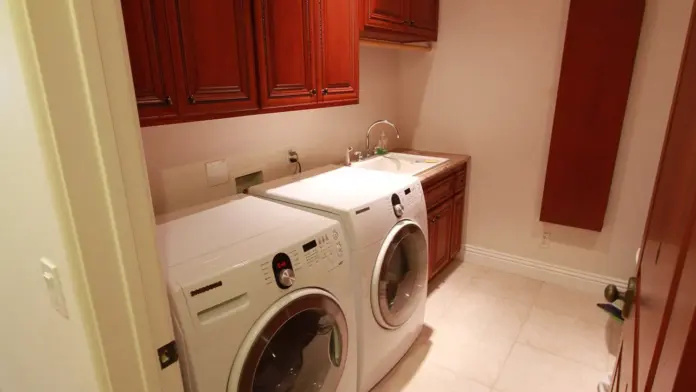



Accepted Insurance
Other Forms of Payment
Self-pay involves paying for treatment out of your own pocket. You can use savings or credit, get a personal loan, or receive help from family and friends to fund your treatment. If you don't have insurance or your insurance plan doesn't cover a specific program, self-pay can help ensure you still get the care you need.
Private insurance refers to any kind of healthcare coverage that isn't from the state or federal government. This includes individual and family plans offered by an employer or purchased from the Insurance Marketplace. Every plan will have different requirements and out of pocket costs so be sure to get the full details before you start treatment.
 Monthly
Sliding scale payments are based on a client's income and family size. The goal is to make treatment affordable to everyone. By taking these factors into account, addiction recovery care providers help ensure that your treatment does not become a financial burden to you or your family, eliminating one barrier to care.
Military members, veterans, and eligible dependents have access to specific insurance programs that help them get the care they need. TRICARE and VA insurance can help you access low cost or no cost addiction and mental health treatment. Programs that accept military insurance often have targeted treatment focused on the unique challenges military members, veterans, and their families face.
Addiction Treatments
Levels of Care
Residential treatment programs are those that offer housing and meals in addition to substance abuse treatment. Rehab facilities that offer residential treatment allow patients to focus solely on recovery, in an environment totally separate from their lives. Some rehab centers specialize in short-term residential treatment (a few days to a week or two), while others solely provide treatment on a long-term basis (several weeks to months). Some offer both, and tailor treatment to the patient's individual requirements.
Drug and alcohol addiction often takes a heavy toll on one's body. Over time, a physical dependence can develop, meaning the body physiologically needs the substance to function. Detox is the process of removing drugs and/or alcohol from the body, a process that can be lethal if mismanaged. Medical detox is done by licensed medical professionals who monitor vital signs and keep you safe, healthy, and as comfortable as possible as you go through detox and withdrawal.
12-step programs are addiction recovery models based on Alcoholics Anonymous (AA). A number of substance abuse programs (including some drug and alcohol rehab centers) use the 12 steps as a basis for treatment. Beginning steps involve admitting powerlessness over the addiction and creating a spiritual basis for recovery. Middle steps including making direct amends to those who've been hurt by the addiction, and the final step is to assist others in addiction recovery in the same way. 12-Step offshoots including Narcotics Anonymous (NA), Cocaine Anonymous (CA), Dual Recovery Anonymous (DRA), Sex and Love Addicts Anonymous (SLAA) and Gamblers Anonymous (GA).
Completing a drug or alcohol rehab program shouldn't spell the end of substance abuse treatment. Aftercare involves making a sustainable plan for recovery, including ongoing support. This can include sober living arrangements like halfway houses, career counseling, and setting a patient up with community programs like Alcoholics Anonymous (AA) or Narcotics Anonymous (NA).
Intervention services helps family or friends of addicts stage an intervention, which is a meeting in which loved ones share their concerns and attempt to get an addict into treatment. Professional intervention specialists can help loved ones organize, gather, and communicate with an addict. They can guide intervention participants in describing the damage the addict's behavior is causing and that outside help is necessary to address the addiction. The ideal outcome of an intervention is for the addict to go to rehab and get the help they need.
Treatments
The goal of treatment for alcoholism is abstinence. Those with poor social support, poor motivation, or psychiatric disorders tend to relapse within a few years of treatment. For these people, success is measured by longer periods of abstinence, reduced use of alcohol, better health, and improved social functioning. Recovery and Maintenance are usually based on 12 step programs and AA meetings.
Drug rehab in California teaches participants constructive ways to stay clean and sober. Treatment revolves around helping individuals stop using the substance they are addicted to and learn healthy habits to avoid relapse.
Many of those suffering from addiction also suffer from mental or emotional illnesses like schizophrenia, bipolar disorder, depression, or anxiety disorders. Rehab and other substance abuse facilities treating those with a dual diagnosis or co-occurring disorder administer psychiatric treatment to address the person's mental health issue in addition to drug and alcohol rehabilitation.
A combined mental health and substance abuse rehab has the staff and resources available to handle individuals with both mental health and substance abuse issues. It can be challenging to determine where a specific symptom stems from (a mental health issue or an issue related to substance abuse), so mental health and substance abuse professionals are helpful in detangling symptoms and keeping treatment on track.
Opioid rehabs specialize in supporting those recovering from opioid addiction. They treat those suffering from addiction to illegal opioids like heroin, as well as prescription drugs like oxycodone. These centers typically combine both physical as well as mental and emotional support to help stop addiction. Physical support often includes medical detox and subsequent medical support (including medication), and mental support includes in-depth therapy to address the underlying causes of addiction.
Programs
Adult rehab programs include therapies tailored to each client's specific needs, goals, and recovery progress. They are tailored to the specific challenges adult clients may face, including family and work pressures and commitments. From inpatient and residential treatment to various levels of outpatient services, there are many options available. Some facilities also help adults work through co-occurring conditions, like anxiety, that can accompany addiction.
Young adulthood can be an exciting, yet difficult, time of transition. Individuals in their late teens to mid-20s face unique stressors related to school, jobs, families, and social circles, which can lead to a rise in substance use. Rehab centers with dedicated young adult programs will include activities and amenities that cater to this age group, with an emphasis on specialized counseling, peer socialization, and ongoing aftercare.
Clinical Services
Animal therapy (aka pet therapy or animal-assisted therapy) can be very healing, as it allows patients to bond with animals, who give unconditional love. This is particularly useful for those who suffered trauma by the hands of people, who may be able to trust and form closer attachments to animals than humans at certain stages of rehabilitation.
Cognitive Behavioral Therapy (CBT) is a therapy modality that focuses on the relationship between one's thoughts, feelings, and behaviors. It is used to establish and allow for healthy responses to thoughts and feelings (instead of unhealthy responses, like using drugs or alcohol). CBT has been proven effective for recovering addicts of all kinds, and is used to strengthen a patient's own self-awareness and ability to self-regulate. CBT allows individuals to monitor their own emotional state, become more adept at communicating with others, and manage stress without needing to engage in substance abuse.
Whether a marriage or other committed relationship, an intimate partnership is one of the most important aspects of a person's life. Drug and alcohol addiction affects both members of a couple in deep and meaningful ways, as does rehab and recovery. Couples therapy and other couples-focused treatment programs are significant parts of exploring triggers of addiction, as well as learning how to build healthy patterns to support ongoing sobriety.
Creativity is inherently healing, and can help those in recovery express thoughts or feelings they might not otherwise be able to. Creative arts therapy can include music, poetry/writing, painting, sculpting, dance, theater, sandplay, and more. Unlike traditional art, the final product matters far less than the experience of creation and expression itself.
Dialectical Behavior Therapy (DBT) is a modified form of Cognitive Behavioral Therapy (CBT), a treatment designed to help people understand and ultimately affect the relationship between their thoughts, feelings, and behaviors. DBT is often used for individuals who struggle with self-harm behaviors, such as self-mutilation (cutting) and suicidal thoughts, urges, or attempts. It has been proven clinically effective for those who struggle with out-of-control emotions and mental health illnesses like Borderline Personality Disorder.
Eating disorders include anorexia, bulimia, binge eating, and dysfunctional eating patterns. Many psychologists and other mental health professionals consider eating disorders to be food addictions, meaning food is being used in an addictive way (similar to drug or alcohol addiction). Certain substance abuse treatment programs will have treatment for eating disorders as one of the services offered. An eating disorder may also present as a co-occuring disorder or dual diagnosis alongside drug and alcohol addiction.
Experiential therapy is a form of therapy in which clients are encouraged to surface and work through subconscious issues by engaging in real-time experiences. Experiential therapy departs from traditional talk therapy by involving the body, and having clients engage in activities, movements, and physical and emotional expression. This can involve role-play or using props (which can include other people). Experiential therapy can help people process trauma, memories, and emotion quickly, deeply, and in a lasting fashion, leading to substantial and impactful healing.
EMDR is a therapeutic modality originally developed to help process trauma. In an EMDR session, a patient is prompted to undergo eye movements that mimic those of REM sleep. This is accomplished by watching a therapist's finger move back and forth across, or following a bar of light. The goal is repetitive sets of eye movements that help the brain reprocess memory, which can significantly reduce the intensity of remembered traumatic incidents. Associated memories can heal simultaneously, leaving patients significantly calmer, more stable, and more emotionally relaxed.
Research clearly demonstrates that recovery is far more successful and sustainable when loved ones like family members participate in rehab and substance abuse treatment. Genetic factors may be at play when it comes to drug and alcohol addiction, as well as mental health issues. Family dynamics often play a critical role in addiction triggers, and if properly educated, family members can be a strong source of support when it comes to rehabilitation.
Group therapy is any therapeutic work that happens in a group (not one-on-one). There are a number of different group therapy modalities, including support groups, experiential therapy, psycho-education, and more. Group therapy involves treatment as well as processing interaction between group members.
In individual therapy, a patient meets one-on-one with a trained psychologist or counselor. Therapy is a pivotal part of effective substance abuse treatment, as it often covers root causes of addiction, including challenges faced by the patient in their social, family, and work/school life.
Life skills trainings involve all the skills a person must have in order to function successfully in the world. These include time management, career guidance, money management, and effective communication. Truly successful addiction recovery is based on the ability to not only live substance-free, but to thrive. Life skills teaches the practical necessities of functioning in society, which sets clients up for success in life, and therefore sobriety.
Motivational Interviewing (MI) is a clinical approach to helping people with substance abuse issues and other conditions shift behavior in positive ways. It is more goal-oriented than traditional psychotherapy, as MI counselors directly attempt to get clients to consider making behavioral change (rather than wait for them to come to conclusions themselves). Its primary purpose is to resolve ambivalence and help clients become able to make healthy choices freely.
Nutrition therapy, aka medical nutrition therapy (MNT), is a way of treating physical, emotional, and medical conditions through diet. Specific dietary plans are designed by professional nutritionists or registered dietitians, and patients follow them in order to positively affect their physical and mental health.
Trauma therapy addresses traumatic incidents from a client's past that are likely affecting their present-day experience. Trauma is often one of the primary triggers and potential causes of addiction, and can stem from child sexual abuse, domestic violence, having a parent with a mental illness, losing one or both parents at a young age, teenage or adult sexual assault, or any number of other factors. The purpose of trauma therapy is to allow a patient to process trauma and move through and past it, with the help of trained and compassionate mental health professionals.
Amenities
-
 Residential Setting
 -
 Private Setting
 -
 Mountain Views
 -
 Yoga Studio
 -
 Private Transportation
 -
 Spa
Spa -
 Private Rooms
 -
 Hiking
 -
 Gym
Gym
Staff & Accreditations
Staff
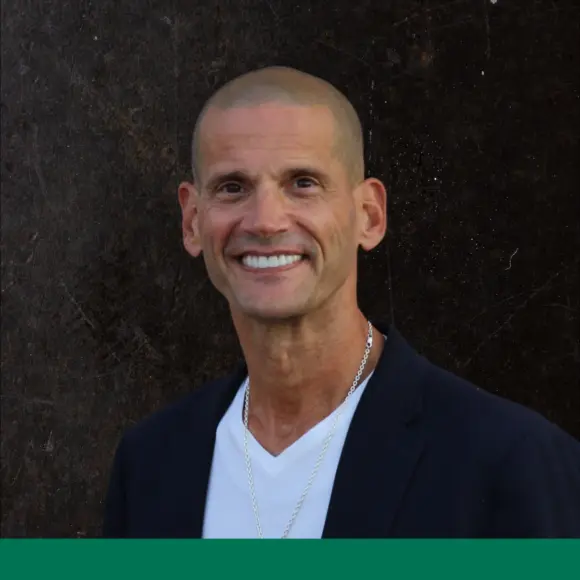
Steven T. Ginsburg
Founder
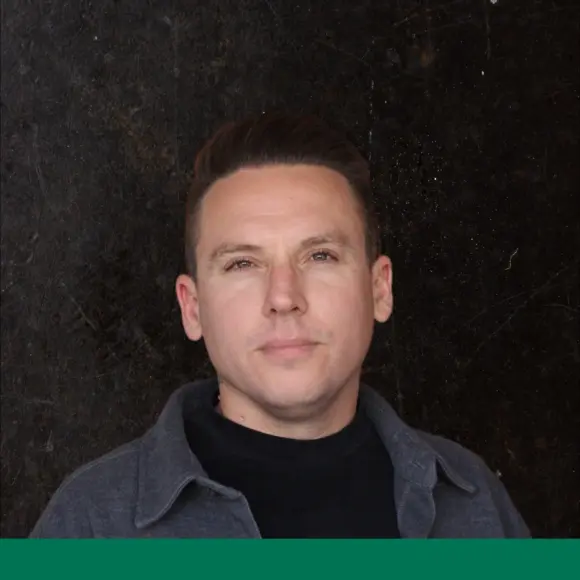
Johnny Pyburn
Operations Manager
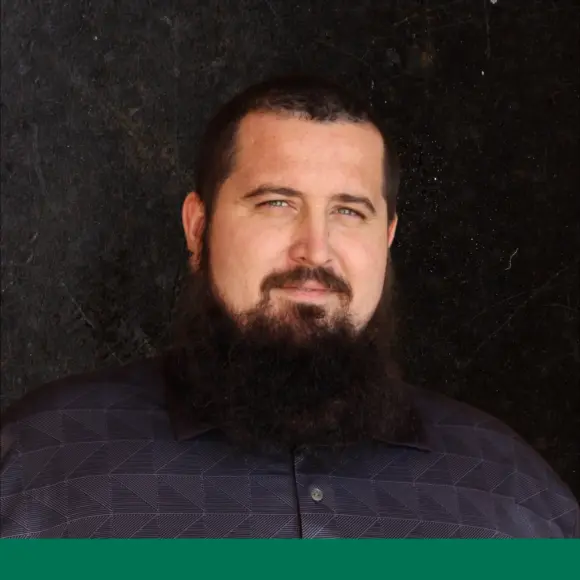
James Evans
Admissions Director
Accreditations

The Joint Commission, formerly known as JCAHO, is a nonprofit organization that accredits rehab organizations and programs. Founded in 1951, the Joint Commision's mission is to improve the quality of patient care and demonstrating the quality of patient care.
Joint Commission Accreditation: Yes
Accreditation Number: 612130

State Licenses are permits issued by government agencies that allow rehab organizations to conduct business legally within a certain geographical area. Typically, the kind of program a rehab facility offers, along with its physical location, determines which licenses are required to operate legally.
State License: California
License Number: 370171AP
Rehab.com regularly reviews this listing for accuracy but changes may occur between updates. For the most up-to-date information, please contact Restore Detox Centers.
Contact Information

14099 Sky Mountain Trail
Poway, CA 92064
Get Help Now - 619-816-1728
Sponsored Helpline
Sponsored Helpline


