






























































































I had a good experience with Rio Grande Counseling. I got a good feeling of being a part of a community that understood me and my issues. Nobody can do it alone, and Rio Grande Counseling did a great job of being there for me. They run a good program there. If you need h ...
About Rio Grande Counseling & Guidance Services
There are many different types of therapies that can be helpful for dealing with mental illness. Your therapist will work with you to set realistic goals and discuss the different treatment options for you.
Many previous clients wrote that they have tried many therapists and have had the best experience ever at Rio Grande. The negative reviews all have replies from the owner which are thoughtful and specific to that review (not just a generic apology).
Rio Grande accepts many insurance providers including Blue Cross Blue Shield, Centennial Care (Medicaid), Cigna, Friday Health Plan, Molina Marketplace, Presbyterian Health Plan, and Western Sky among others. Their reception staff can discuss coverage and payment options with you.
Latest Reviews
Rio Grande has an excellent intensive outpatient program it definitely has given me a new perspective on situations and how to process things better for my self I know I’ll have challenges moving forward but that’s part of life and I know have some extra insight on how to proceed n get my self some help in a lot more healthier ways. Thank you Brett. And I’m looking forward to joining the after care program
I had a wonderful experience with Rio Grande Counseling. I learned so much about myself and what I can and cannot do about my sobriety. I would especially like to thank Brett for his strength and encouragement.
Brett was amazing! Thank you so much for all of your advice/ help these past months!

Rehab Score
 Our Methodology
Scoring is assigned by a proprietary system which helps surface key metrics that determine quality. The 10-point scale factors in categories such as operations, customer satisfaction, and trust metrics. Read Full Methodology

6.4 / 10
Gallery
Accepted Insurance
Other Forms of Payment
Private insurance refers to any kind of healthcare coverage that isn't from the state or federal government. This includes individual and family plans offered by an employer or purchased from the Insurance Marketplace. Every plan will have different requirements and out of pocket costs so be sure to get the full details before you start treatment.
Self-pay involves paying for treatment out of your own pocket. You can use savings or credit, get a personal loan, or receive help from family and friends to fund your treatment. If you don't have insurance or your insurance plan doesn't cover a specific program, self-pay can help ensure you still get the care you need.
Medicaid is a state based program that helps lower-income individuals and families pay for healthcare. Medicaid covers addiction treatment so those enrolled can use their coverage to pay for rehab. When a program accepts Medicaid the client often pays very little or nothing out of their own pocket.
Addiction Treatments
Levels of Care
Outpatient Programs (OP) are for those seeking mental rehab or drug rehab, but who also stay at home every night. The main difference between outpatient treatment (OP) and intensive outpatient treatment (IOP) lies in the amount of hours the patient spends at the facility. Most of the time an outpatient program is designed for someone who has completed an inpatient stay and is looking to continue their growth in recovery. Outpatient is not meant to be the starting point, it is commonly referred to as aftercare.
Intensive outpatient programs (IOP) provide robust support for clients who choose to remain in their own homes or who are reintegrating into their community following inpatient care. IOP treatment generally consists of a combination of individual, group, and family counseling, recovery-focused life skills training, and evidence-based holistic therapies. Many intensive outpatient rehabs also offer medication assisted treatment (MAT) for clients in alcohol and/or opioid recovery. Clients in IOP typically receive nine to 20 hours of treatment weekly.
Rehab aftercare programs promote clients' long-term recovery by providing a robust continuum of care aligned with clients' evolving needs. Because addiction is a chronic disease prone to relapse, rehab aftercare services are highly client-focused and uniquely responsive to clients' changing medical, mental health, and social circumstances. Case managers and care teams collaborate with clients, assess their goals and needs, and provide access to recovery-focused resources, such as peer coaching, employment assistance, and relapse prevention services.
Treatments
The goal of treatment for alcoholism is abstinence. Those with poor social support, poor motivation, or psychiatric disorders tend to relapse within a few years of treatment. For these people, success is measured by longer periods of abstinence, reduced use of alcohol, better health, and improved social functioning. Recovery and Maintenance are usually based on 12 step programs and AA meetings.
Each drug rehab in New Mexico offers unique amenities and treatment methods. Common aspects of treatment include group and individual counseling, recreational therapy, medication management, and healthy living. Aftercare is often provided to prevent relapse.
A combined mental health and substance abuse rehab has the staff and resources available to handle individuals with both mental health and substance abuse issues. It can be challenging to determine where a specific symptom stems from (a mental health issue or an issue related to substance abuse), so mental health and substance abuse professionals are helpful in detangling symptoms and keeping treatment on track.
Opioid rehabs specialize in supporting those recovering from opioid addiction. They treat those suffering from addiction to illegal opioids like heroin, as well as prescription drugs like oxycodone. These centers typically combine both physical as well as mental and emotional support to help stop addiction. Physical support often includes medical detox and subsequent medical support (including medication), and mental support includes in-depth therapy to address the underlying causes of addiction.
Programs
Adult rehab programs include therapies tailored to each client's specific needs, goals, and recovery progress. They are tailored to the specific challenges adult clients may face, including family and work pressures and commitments. From inpatient and residential treatment to various levels of outpatient services, there are many options available. Some facilities also help adults work through co-occurring conditions, like anxiety, that can accompany addiction.
Young adulthood can be an exciting, yet difficult, time of transition. Individuals in their late teens to mid-20s face unique stressors related to school, jobs, families, and social circles, which can lead to a rise in substance use. Rehab centers with dedicated young adult programs will include activities and amenities that cater to this age group, with an emphasis on specialized counseling, peer socialization, and ongoing aftercare.
Clinical Services
Group therapy is any therapeutic work that happens in a group (not one-on-one). There are a number of different group therapy modalities, including support groups, experiential therapy, psycho-education, and more. Group therapy involves treatment as well as processing interaction between group members.
In individual therapy, a patient meets one-on-one with a trained psychologist or counselor. Therapy is a pivotal part of effective substance abuse treatment, as it often covers root causes of addiction, including challenges faced by the patient in their social, family, and work/school life.
Whether a marriage or other committed relationship, an intimate partnership is one of the most important aspects of a person's life. Drug and alcohol addiction affects both members of a couple in deep and meaningful ways, as does rehab and recovery. Couples therapy and other couples-focused treatment programs are significant parts of exploring triggers of addiction, as well as learning how to build healthy patterns to support ongoing sobriety.
Research clearly demonstrates that recovery is far more successful and sustainable when loved ones like family members participate in rehab and substance abuse treatment. Genetic factors may be at play when it comes to drug and alcohol addiction, as well as mental health issues. Family dynamics often play a critical role in addiction triggers, and if properly educated, family members can be a strong source of support when it comes to rehabilitation.
Life skills trainings involve all the skills a person must have in order to function successfully in the world. These include time management, career guidance, money management, and effective communication. Truly successful addiction recovery is based on the ability to not only live substance-free, but to thrive. Life skills teaches the practical necessities of functioning in society, which sets clients up for success in life, and therefore sobriety.
Creative arts therapy gives you the opportunity to express yourself in ways beyond words. Your therapist will help you use creative activities to explore emotions and process difficult situations.
With a therapist's guidance, experiential therapy in New Mexico provides hands on interventions that give you deeper access to your motivations, creativity, and emotions. This mode of therapy allows you to reflect on your experiences and resolve inner conflicts you may have ignored in the past.
Amenities
-
 Private Rooms
Rehab.com regularly reviews this listing for accuracy but changes may occur between updates. For the most up-to-date information, please contact Rio Grande Counseling & Guidance Services.
Contact Information

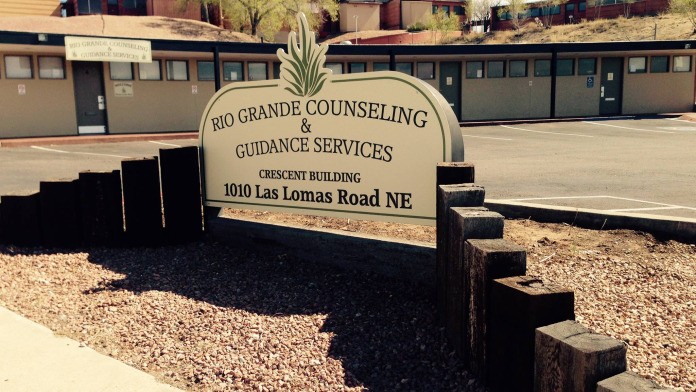
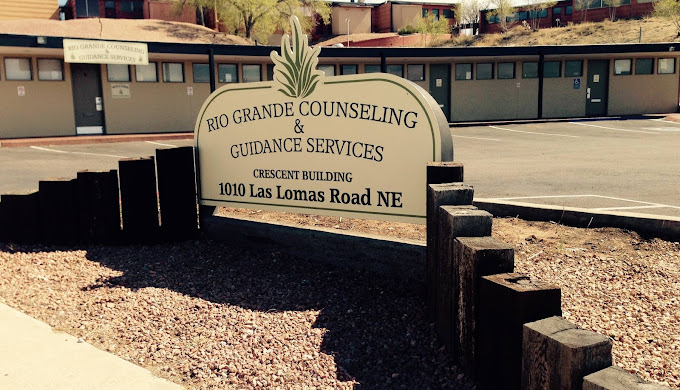
1010 Las Lomas Road NE
Suite 4
Albuquerque, NM 87102
Get Help Now - 505-644-0154
Sponsored Helpline
Sponsored Helpline


