















































































































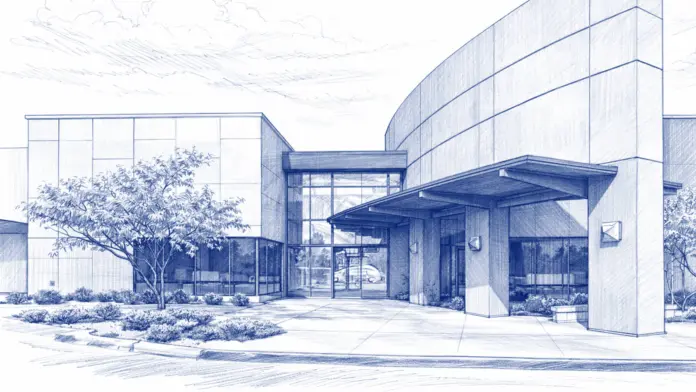
About San Francisco Adult & Teen Challenge
San Francisco Adult & Teen Challenge is a faith based residential recovery program helping men pursue freedom from addiction and life controlling habits in the heart of San Francisco’s Mission District. The program emphasizes holistic transformation through Christian discipleship, structured community living, and skill building opportunities.
Founded in 1964, SFATC offers a one year residential model designed to address mind, body, and soul while rebuilding relationships and work ethic. The program is donation funded and offered at no cost to participants.
One Year Faith Based Residential Recovery
SFATC’s core offering is a one year residential discipleship program for men, grounded in biblical principles and a supportive community environment. The program focuses on long term transformation rather than short term stabilization with a structured daily routine that integrates spiritual formation, accountability, and practical life skills.
Participants engage in a safe residential setting where they work through underlying issues tied to addiction while building new habits and connections. The approach targets root causes through faith centered teaching, peer support, and consistent structure.
Work Programs and Transitional Housing
SFATC integrates hands-on work programs into recovery with participants gaining experience in landscaping, painting, cleaning, moving, light construction, and other trades. These opportunities build employability and work ethic while supporting the program’s operations.
Graduates of the men’s program can transition to Moses House, a vocational and transitional housing site in Bayview that bridges residential recovery and independent living.

Rehab Score
 Our Methodology


Location
Addiction Treatments
Levels of Care
Inpatient rehab provides intensive treatment for clients exiting detox, those in early recovery, and those at an elevated risk of relapse. Unlike outpatient drug rehab, clients receiving inpatient care reside at the facility for the duration of the program. The length of stay may range from two weeks to 18 months or more, depending on the client's needs and the program's design. Inpatient treatment typically involves extensive addiction education and recovery-focused life skills training.
Treatments
Alcoholism, or alcohol use disorder (AUD), is defined by alcohol dependence. This is a state the body reaches when it experiences withdrawal symptoms in the absence of alcohol. A person who has AUD craves alcohol and continues to drink despite adverse consequences. Because withdrawing from alcohol can pose health risks, individuals with AUD should seek professional alcohol rehab in California to overcome their alcohol addiction. This process typically involves medical detox, rehabilitation, and maintenance.
 Opioid Addiction
Drug rehab in California teaches participants constructive ways to stay clean and sober. Treatment revolves around helping individuals stop using the substance they are addicted to and learn healthy habits to avoid relapse.
In California, substance abuse treatment programs can help individuals with any type of substance use disorders and co-occurring conditions. These rehab programs typically encompass various levels of care, including medically assisted detox, intensive outpatient, outpatient, residential rehab, and partial hospitalization. You can expect clinicians to utilize evidence-based therapies like cognitive behavioral therapy (CBT), dialectical behavioral therapy (DBT), and mindfulness to help you achieve and sustain your recovery. The rehab's clinical team can provide a comprehensive assessment to determine the appropriate level of care and medical support you may need.
Inpatient treatment for drug and alcohol addiction with a focus on mental health is a good fit for people who need closer monitoring and care. Treatment may occur in a hospital setting, a clinic, or a luxury rehab center. Mental health counselors and staff are available 24/7. Therapies typically include group and individual counseling, relapse prevention education, and emotional coping skills training.
In California, dual-diagnosis addiction treatment programs offer comprehensive care for individuals with co-occurring mental health and substance use disorders. Programs include medically assisted detox, intensive outpatient, outpatient, residential rehab, and partial hospitalization. Using an evidence-based approach, clinicians utilize therapies like cognitive behavioral therapy, or dialectical behavioral therapy and mindfulness to address substance use disorders and co-occurring mental health challenges. Additional services include 12-Step recovery, group therapy, family counseling, and relapse prevention to promote sustained recovery.
Amenities
-
 Metropolitan Area
Contact Information


1464 Valencia St, San Francisco, CA 94110
Sponsored Helpline
