





























































































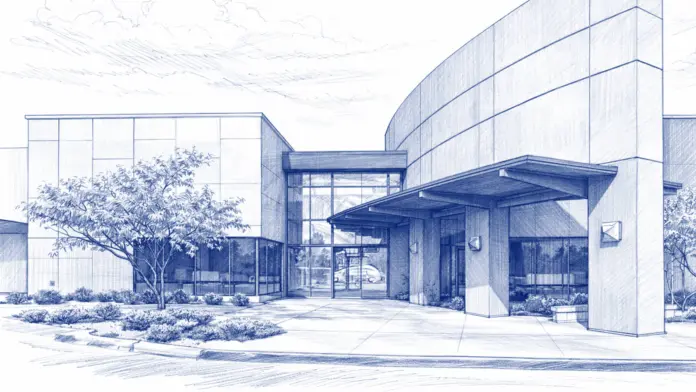
About Satop St. Louis Community Services
Treatment at SATOP–St. Louis Community Services begins with a comprehensive medical and mental health assessment and risk evaluation. Personalized care plans are designed to align with court mandates and clients’ unique needs and goals. Residential, outpatient, and virtual treatment options are available.
Adolescents and adults assessed to be at “lower risk” for repeat and/or serious offenses, including first time offenders, may enroll in various SATOP education programs, including the Offender Education Program (OEP), consisting of 10 hours of in-person or online education and the Adolescent Diversion Education Programs (ADEP), designed for teens facing Abuse/Lose, Minor in Possession, or Zero Tolerance charges.
Their intervention programs combine education and counseling for clients at higher risk, including multiple offenders. These programs include the Weekend Intervention Program (WIP) and the high-intensity Clinical Intervention Program (CIP) featuring 50 hours of outpatient individual and group counseling and addiction education, including DUI/DWI classes.
SATOP clients experiencing severe or relapsing addiction disease may elect to complete traditional residential or intensive outpatient (IOP) treatment at any state certified or nationally accredited facility to satisfy SATOP requirements.
SATOP–St. Louis Community Services contracts with many major insurance providers, including BlueCross/BlueShield, Humana, Aetna, Anthem, United Healthcare, and others. Contact your provider to verify coverage, as out of network benefits. They also accept Medicare and Medicaid. Financial assistance is available.

Rehab Score
 Our Methodology


Location
Accepted Insurance
Other Forms of Payment
Self-pay involves paying for treatment out of your own pocket. You can use savings or credit, get a personal loan, or receive help from family and friends to fund your treatment. If you don't have insurance or your insurance plan doesn't cover a specific program, self-pay can help ensure you still get the care you need.
Medicaid is a state based program that helps lower-income individuals and families pay for healthcare. Medicaid covers addiction treatment so those enrolled can use their coverage to pay for rehab. When a program accepts Medicaid the client often pays very little or nothing out of their own pocket.
Medicare is a federal program that provides health insurance for those 65 and older. It also serves people under 65 with chronic and disabling health challenges. To use Medicare for addiction treatment you need to find a program that accepts Medicare and is in network with your plan. Out of pocket costs and preauthorization requirements vary, so always check with your provider.
Addiction Treatments
Levels of Care
Outpatient rehab enables clients to continue to work, attend school, or reside at home while undergoing treatment, including addiction counseling and recovery-focused life skills training. Evening, night, and weekend sessions are available at many facilities to ensure continuous access to care on the client's schedule. Many centers also offer ancillary services, such as career coaching and peer mentoring, to promote clients' sustained recovery and community integration. Higher-level outpatient treatment, including intensive outpatient (IOP) care, is also widely available.
Treatments
The goal of treatment for alcoholism is abstinence. Those with poor social support, poor motivation, or psychiatric disorders tend to relapse within a few years of treatment. For these people, success is measured by longer periods of abstinence, reduced use of alcohol, better health, and improved social functioning. Recovery and Maintenance are usually based on 12 step programs and AA meetings.
Drug rehab in Missouri usually involves several phases: detox, rehab, and aftercare. The rehab phase may include a combination of inpatient and outpatient treatments, as the individual moves through a continuum of care on their recovery journey.
Opioid rehabs specialize in supporting those recovering from opioid addiction. They treat those suffering from addiction to illegal opioids like heroin, as well as prescription drugs like oxycodone. These centers typically combine both physical as well as mental and emotional support to help stop addiction. Physical support often includes medical detox and subsequent medical support (including medication), and mental support includes in-depth therapy to address the underlying causes of addiction.
Substance rehabs focus on helping individuals recover from substance abuse, including alcohol and drug addiction (both illegal and prescription drugs). They often include the opportunity to engage in both individual as well as group therapy.
Programs
Adult rehab programs include therapies tailored to each client's specific needs, goals, and recovery progress. They are tailored to the specific challenges adult clients may face, including family and work pressures and commitments. From inpatient and residential treatment to various levels of outpatient services, there are many options available. Some facilities also help adults work through co-occurring conditions, like anxiety, that can accompany addiction.
Recovery is most successful when clients feel accepted and validated by their peers and treatment providers. Facilities that offer LGBTQ-inclusive programming are committed to creating a safe space where everyone can grow and recover without fear of judgment or discrimination. They will have dedicated policies in place to create a safe and supportive environment that fosters free expression.
Clinical Services
In individual therapy, a patient meets one-on-one with a trained psychologist or counselor. Therapy is a pivotal part of effective substance abuse treatment, as it often covers root causes of addiction, including challenges faced by the patient in their social, family, and work/school life.
Rehab.com regularly reviews this listing for accuracy but changes may occur between updates. For the most up-to-date information, please contact Satop St. Louis Community Services.
Contact Information


3488 Jeffco Blvd
Arnold MO, 63010
Sponsored Helpline


