






























































































Please do not use this place of business. Promises were made in never kept there was terrible turnover and I never had one therapist for more than three weeks as well as numerous attempts to accept services that I did not want.
About Soledad House
Their residential treatment center offers clients an intensive full-time treatment option in an inpatient setting with around the clock professional support. This structured program involves individual and group therapy sessions, education, nutritional counseling and chef prepared healthy meals.
The partial hospitalization program offers an intensive treatment program requiring participation five days per week with six hours of programming per day. Women can participate in this program and also live at Soledad House’s sober living residences. Treatment includes a variety of evidenced based treatment modalities including cognitive and dialectical behavioral therapy, eye movement desensitization reprocessing, exercise, individual and group therapy, meditation and yoga.
Soledad House also offers intensive outpatient treatment. This requires participants to attend treatment five days per week with three hours per day of programming. This program continues to use a variety of holistic evidenced based treatment options.
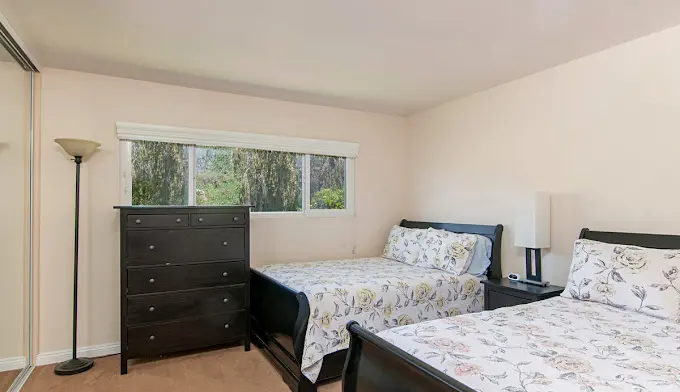
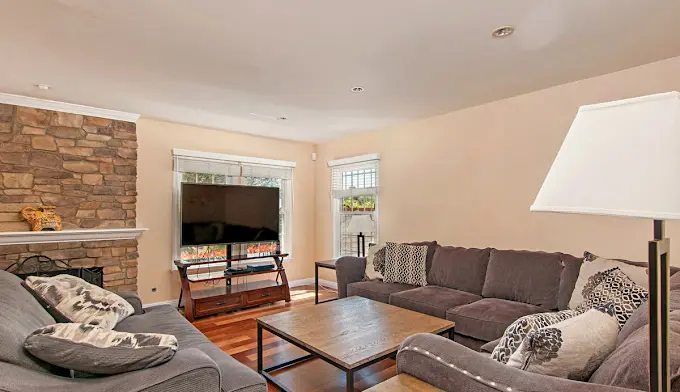
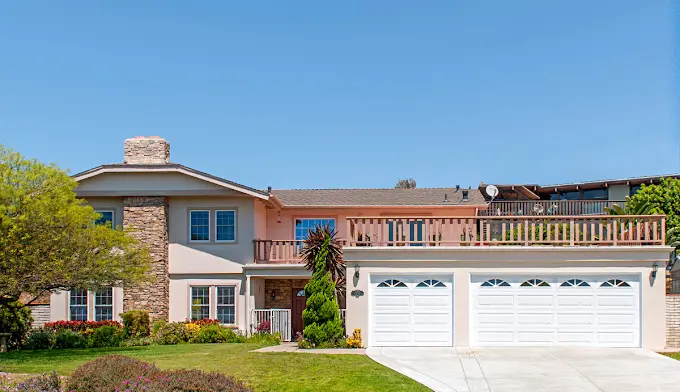
The sober living residences offer a safe and peaceful environment for women to help support their recovery journey. Residents must be sober for at least 30 days before being admitted into the program and must agree to participate in four 12 Step meetings per week and agree to random drug testing.
They accept most commercial insurance plans. Individuals should check with their health insurance provider to determine coverage benefits.
Facility Overview
 8
8 Number of Available Beds
 $7000
$7000 Avg Cost per Day
Latest Reviews
It’s taken me a second to post words worthy enough for this treatment center. I came to Soledad House all the way from North Carolina, never imagining how profoundly it would change my life (I originally came because I was told I could see seals any time I wanted lol).
My therapist changed my life. The circle of women I was surrounded by changed my life. The administrators and staff changed my life. These weren’t just people doing a job—they became part of my story.
A few days after arriving to soledad , my dad passed away suddenly. Losing him was devastating, and trying to process that grief while I was also working through my own recovery was one of the hardest things I have ever experienced. I was far from home, carrying a pain I didn’t know how to hold, and there were moments when I felt completely overwhelmed by the loss.
But I was not alone. The women around me, my therapist, the admin and staff at Soledad House held space for my grief while continuing to support me in my recovery. They allowed me to be heartbroken without making me feel like I had failed. They reminded me that grieving did not mean I had to give up on myself, and that I could take the next step even when I could not see very far ahead. It is because of them that I was able to stay sober through it.
Soledad House became a place where I could mourn my dad, feel everything I needed to feel, and still be cared for. That support meant more to me than I can fully express, and it is one of the reasons I will always carry this place with me.
What makes this place even more meaningful to me is that I eventually went on to work in treatment myself because of the experience I had there. The people I met at Soledad House became more than just part of my treatment—many of them are still in my life today.
I came from North Carolina looking for recovery. I left with a completely different life.
I’m now about 3 1/2 years sober. I will always be grateful for Soledad House and the women, therapists, administrators, and staff who helped me become the person I am today.
I had an awesome experience here. From individual to group therapy to sober living. I met my true self and experienced a life changing transformation. Shout outs to Alexis my therapist and Neetra my house manager! They went above and beyond to make sure I received everything I needed from my time there!
When I got to Soladad, I was very sick physically and emotionally lost. At first because I was so physically sick. It was hard for me to settle in, but with the love and understanding of the staff I slowly felt safe. I was only going to stay a short time and I ended up doing the full 90 days. Best decision I’ve ever made. All of the staff helped me in ways I can’t even explain. The therapist, all of them cared. My therapist was Dorian. I truly believe that she saved my life. If you decide to go here, trust the process. You will feel frustrated, irritated and scared. Just believe you’re worth it no alcohol or drugs will heal you. Soledad House helps you to understand your relationship with your higher power and how to deal with life situations that we have forgotten because of our disease. I lived in the house, called Missouri. I was lucky enough to have an amazing house, Manager and other women in the house. I believe this place is a gift from God if you’re reading this hopefully it helps you to decide that you want to be free of this horrible disease and this is the place you will receive it. 🙏🏽

Rehab Score
 Our Methodology
Scoring is assigned by a proprietary system which helps surface key metrics that determine quality. The 10-point scale factors in categories such as operations, customer satisfaction, and trust metrics. Read Full Methodology

7.7 / 10
Gallery



Other Forms of Payment
Private insurance refers to any kind of healthcare coverage that isn't from the state or federal government. This includes individual and family plans offered by an employer or purchased from the Insurance Marketplace. Every plan will have different requirements and out of pocket costs so be sure to get the full details before you start treatment.
Self-pay involves paying for treatment out of your own pocket. You can use savings or credit, get a personal loan, or receive help from family and friends to fund your treatment. If you don't have insurance or your insurance plan doesn't cover a specific program, self-pay can help ensure you still get the care you need.
Financial aid can take many forms. Centers may have grants or scholarships available to clients who meet eligibility requirements. Programs that receive SAMHSA grants may have financial aid available for those who need treatment as well. Grants and scholarships can help you pai for treatment without having to repay.
Addiction Treatments
Levels of Care
Clients receiving treatment at an outpatient rehab typically do not require hospitalization or intensive supervision and support. Outpatient addiction counseling and recovery education are often offered during the morning, evening, night, and weekend, allowing clients to tailor treatment to their own schedule. Partial hospitalization (PHP) and intensive outpatient (IOP) programs are the most time-intensive and are designed for clients who are at an increased relapse risk and/or who need more robust therapeutic support.
Residential treatment programs are those that offer housing and meals in addition to substance abuse treatment. Rehab facilities that offer residential treatment allow patients to focus solely on recovery, in an environment totally separate from their lives. Some rehab centers specialize in short-term residential treatment (a few days to a week or two), while others solely provide treatment on a long-term basis (several weeks to months). Some offer both, and tailor treatment to the patient's individual requirements.
Intensive outpatient programs (IOP) support a client's sustained sobriety as they exit detox or step down from an inpatient program. IOPs are also designed for clients who are at an elevated risk of relapse. Intensive outpatient treatment typically requires clients to engage in a minimum of nine hours of therapy per week, but clients may receive up to 20 therapeutic hours weekly. IOP treatment modalities often combine psychotherapy, recovery-focused life skills training, and medication assisted treatment (MAT).
Rehab aftercare programs offer clients in addiction recovery a robust continuum of care after clients have completed active treatment. These services address recovery as a life-long process and are designed to evolve with clients' changing needs. Clients may partner with their case managers and/or addiction recovery team to identify the rehab aftercare services that are right for them. They may receive career counseling, housing assistance, peer coaching, 12 step program induction, among many other services.
12-step programs are addiction recovery models based on Alcoholics Anonymous (AA). A number of substance abuse programs (including some drug and alcohol rehab centers) use the 12 steps as a basis for treatment. Beginning steps involve admitting powerlessness over the addiction and creating a spiritual basis for recovery. Middle steps including making direct amends to those who've been hurt by the addiction, and the final step is to assist others in addiction recovery in the same way. 12-Step offshoots including Narcotics Anonymous (NA), Cocaine Anonymous (CA), Dual Recovery Anonymous (DRA), Sex and Love Addicts Anonymous (SLAA) and Gamblers Anonymous (GA).
Sober Living Houses (SLHs), aka sober homes or halfway houses, are safe, substance-free, supportive living facilities for those recovering from substance abuse. Ideal for those who've just been through inpatient or outpatient treatment, SLHs are supervised environments with rules that support sobriety, such as curfews, shared chores, and therapeutic meetings. Residents are also often trained on life skills and coping skills to make it easier to transition into society. SLHs also provide a strong sense of community that can lead to the kind of deep and lasting connections with other sober individuals that supports a new, healthy lifestyle.
Commonly known as "day treatment," a partial hospitalization program (PHP) is an intensive form of outpatient treatment where clients meet during the day and return home in the evening. PHP treatment doesn't require 24-hour care and often serves as an alternative to inpatient hospitalization or a step-down after a residential program. With PHP treatment, you can receive daily support for 6 to 8 hours which includes evidence-based therapies and medication management. The cost of PHP treatment typically varies but averages 90 days.
Treatments
The goal of treatment for alcoholism is abstinence. Those with poor social support, poor motivation, or psychiatric disorders tend to relapse within a few years of treatment. For these people, success is measured by longer periods of abstinence, reduced use of alcohol, better health, and improved social functioning. Recovery and Maintenance are usually based on 12 step programs and AA meetings.
Drug rehab in California teaches participants constructive ways to stay clean and sober. Treatment revolves around helping individuals stop using the substance they are addicted to and learn healthy habits to avoid relapse.
Many of those suffering from addiction also suffer from mental or emotional illnesses like schizophrenia, bipolar disorder, depression, or anxiety disorders. Rehab and other substance abuse facilities treating those with a dual diagnosis or co-occurring disorder administer psychiatric treatment to address the person's mental health issue in addition to drug and alcohol rehabilitation.
A combined mental health and substance abuse rehab has the staff and resources available to handle individuals with both mental health and substance abuse issues. It can be challenging to determine where a specific symptom stems from (a mental health issue or an issue related to substance abuse), so mental health and substance abuse professionals are helpful in detangling symptoms and keeping treatment on track.
Opioid rehabs specialize in supporting those recovering from opioid addiction. They treat those suffering from addiction to illegal opioids like heroin, as well as prescription drugs like oxycodone. These centers typically combine both physical as well as mental and emotional support to help stop addiction. Physical support often includes medical detox and subsequent medical support (including medication), and mental support includes in-depth therapy to address the underlying causes of addiction.
Programs
Adult rehab programs include therapies tailored to each client's specific needs, goals, and recovery progress. They are tailored to the specific challenges adult clients may face, including family and work pressures and commitments. From inpatient and residential treatment to various levels of outpatient services, there are many options available. Some facilities also help adults work through co-occurring conditions, like anxiety, that can accompany addiction.
Young adulthood can be an exciting, yet difficult, time of transition. Individuals in their late teens to mid-20s face unique stressors related to school, jobs, families, and social circles, which can lead to a rise in substance use. Rehab centers with dedicated young adult programs will include activities and amenities that cater to this age group, with an emphasis on specialized counseling, peer socialization, and ongoing aftercare.
Clinical Services
Cognitive behavioral therapy in California is a method that therapists often use for the effective treatment of substance use disorders. It is based on the principle that substance abuse stems from unhelpful ways of thinking and patterns of behavior, which can be changed by helping the individual learn better ways of coping.
While participating in dialectical behavior therapy in California, you'll focus on four key areas of skill development: mindfulness, interpersonal effectiveness, emotion regulation, and distress tolerance. Treatment includes weekly individual and group sessions.
Group therapy is any therapeutic work that happens in a group (not one-on-one). There are a number of different group therapy modalities, including support groups, experiential therapy, psycho-education, and more. Group therapy involves treatment as well as processing interaction between group members.
In individual therapy, a patient meets one-on-one with a trained psychologist or counselor. Therapy is a pivotal part of effective substance abuse treatment, as it often covers root causes of addiction, including challenges faced by the patient in their social, family, and work/school life.
Trauma therapy is a structured approach used by therapists to help you heal from a past traumatic event. Your therapist works with you to identify the traumatic memory and process the information so you experience emotional healing and a sense of safety and stability.
 Eye Movement Desensitization And Reprocessing
Research clearly demonstrates that recovery is far more successful and sustainable when loved ones like family members participate in rehab and substance abuse treatment. Genetic factors may be at play when it comes to drug and alcohol addiction, as well as mental health issues. Family dynamics often play a critical role in addiction triggers, and if properly educated, family members can be a strong source of support when it comes to rehabilitation.
The goal of creative arts therapy in California is to encourage growth and transformation. It can be used in individual and group settings with both children and adults. Options include movement, music, and painting.
Experiential therapy is a form of therapy in which clients are encouraged to surface and work through subconscious issues by engaging in real-time experiences. Experiential therapy departs from traditional talk therapy by involving the body, and having clients engage in activities, movements, and physical and emotional expression. This can involve role-play or using props (which can include other people). Experiential therapy can help people process trauma, memories, and emotion quickly, deeply, and in a lasting fashion, leading to substantial and impactful healing.
Amenities
-
 Gym
Gym -
 Yoga Studio
 -
 Wifi
Wifi -
 Residential Setting
 -
 Private Rooms
Staff & Accreditations
Staff
Christian Small, MD
Medical Director & Psychiatrist
Allie Farmer
Executive Director
Artmiz Bahadori, LMFT
Clinical Director
Ashlee Griebel
Director of Operations
Chantal Lessard
Director of Business Development
Lauren Eisher, SUDCC II
Program Manager & Counselor
Julianne Shuman, CADC-II
Counselor & Case Manager
Kylie Gerhardt
Client Liaison
Accreditations

The Commission on Accreditation of Rehabilitation Facilities (CARF) is a non-profit organization that specifically accredits rehab organizations. Founded in 1966, CARF's, mission is to help service providers like rehab facilities maintain high standards of care.
CARF Accreditation: Yes
Rehab.com regularly reviews this listing for accuracy but changes may occur between updates. For the most up-to-date information, please contact Soledad House.
Contact Information

810 Emerald Street
101
San Diego, CA 92109
Get Help Now - 619-816-1728
Sponsored Helpline
Sponsored Helpline


