






























































































They give you your place as a person with a name, not a number. Amazing staff, both counselors and employees are friendly. I seriously don't think I'd be alive without a place like this that has helped me in all the areas of my life
About Southwest Behavioral & Health Services Prescott Valley Outpatient
Their outpatient programs encompass multiple levels of care to align with clients’ evolving needs. Clients receive medical and mental health assessments, personalized care plans, and complete case management. Referrals for acute and subacute inpatient care are available as needed. Clients engage in intensive individual, group, and family counseling and robust, age-specific, recovery-focused life-skills training. Clients in opioid recovery may enroll in their evidence-based MAT program for logner-term pharmacotherapy using suboxone.
Their aftercare programs enable a complete continuum of care and may include home, school, and community-based services; housing and employment assistance; academic and vocational training; and referrals for additional services.
Southwest Behavioral & Health Services – Prescott Valley Outpatient works with many major insurance providers, such as Care1st, Molina Healthcare, United Healthcare, Arizona Complete Health, Banner University Health Plans, and others. Contact your provider to verify coverage, because out of network benefits can vary. Financial assistance is available.
Latest Reviews
Amanda is the best family counselor and just all around an awesome person! Highly recommend her for anyone that needs family therapy:)
Response from the owner1 week ago
Thank you for your review! We greatly value your feedback, and your review has been shared with the appropriate management staff overseeing the clinic. If you have any additional feedback, please feel free to email your contact information to info@sbhservices.org, and we will have someone contact you directly.
It’s not easy to admit that one needs help but I did as much as I could do on my own. They helped me get to a better point and I am grateful for the help here.
Response from the owner1 week ago
Thank you for your review! We greatly value your feedback and look forward to seeing you again. Your review has been shared with the appropriate management staff overseeing the clinic. If you have any additional feedback, please email your contact information to info@sbhservices.org, and we will have someone contact you directly.
The best service
Response from the owner1 week ago
Thank you for your review. We are happy to know you had such a positive experience and we wish you the best on your journey. Your review has been shared with the appropriate management staff overseeing that clinic. If you'd like, you can email your contact information to info@sbhservices.org, and we can have someone contact you directly as well. 
Rehab Score
 Our Methodology
Scoring is assigned by a proprietary system which helps surface key metrics that determine quality. The 10-point scale factors in categories such as operations, customer satisfaction, and trust metrics. Read Full Methodology

7.3 / 10
Gallery
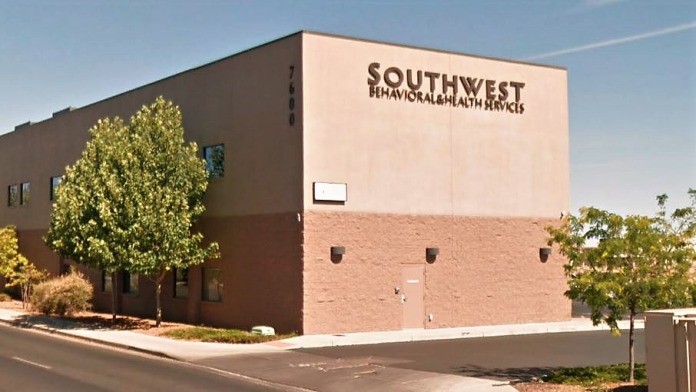
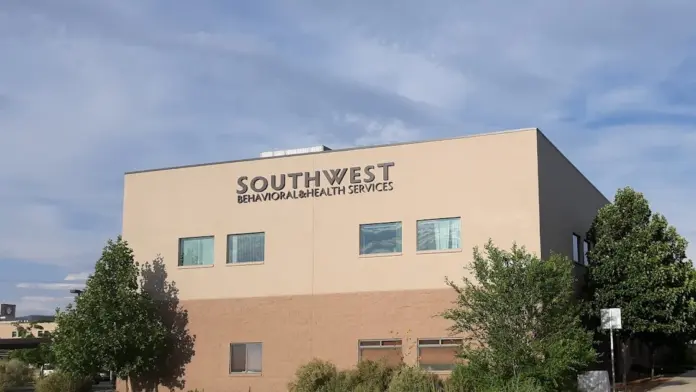
Accepted Insurance
Other Forms of Payment
Private insurance refers to any kind of healthcare coverage that isn't from the state or federal government. This includes individual and family plans offered by an employer or purchased from the Insurance Marketplace. Every plan will have different requirements and out of pocket costs so be sure to get the full details before you start treatment.
Self-pay involves paying for treatment out of your own pocket. You can use savings or credit, get a personal loan, or receive help from family and friends to fund your treatment. If you don't have insurance or your insurance plan doesn't cover a specific program, self-pay can help ensure you still get the care you need.
Financial aid can take many forms. Centers may have grants or scholarships available to clients who meet eligibility requirements. Programs that receive SAMHSA grants may have financial aid available for those who need treatment as well. Grants and scholarships can help you pai for treatment without having to repay.
Medicare is a federal program that provides health insurance for those 65 and older. It also serves people under 65 with chronic and disabling health challenges. To use Medicare for addiction treatment you need to find a program that accepts Medicare and is in network with your plan. Out of pocket costs and preauthorization requirements vary, so always check with your provider.
Military members, veterans, and eligible dependents have access to specific insurance programs that help them get the care they need. TRICARE and VA insurance can help you access low cost or no cost addiction and mental health treatment. Programs that accept military insurance often have targeted treatment focused on the unique challenges military members, veterans, and their families face.
Medicaid is a state based program that helps lower-income individuals and families pay for healthcare. Medicaid covers addiction treatment so those enrolled can use their coverage to pay for rehab. When a program accepts Medicaid the client often pays very little or nothing out of their own pocket.
Addiction Treatments
Levels of Care
Outpatient Programs (OP) are for those seeking mental rehab or drug rehab, but who also stay at home every night. The main difference between outpatient treatment (OP) and intensive outpatient treatment (IOP) lies in the amount of hours the patient spends at the facility. Most of the time an outpatient program is designed for someone who has completed an inpatient stay and is looking to continue their growth in recovery. Outpatient is not meant to be the starting point, it is commonly referred to as aftercare.
Intensive inpatient programs (IOP) offer high-level support for clients in early recovery, those exiting detox or inpatient rehabs, and those at an elevated risk of relapse. Intensive outpatient treatment typically includes rigorous individual, group, and family counseling. Evidence-based complementary therapies, such as acupuncture and massage, are widely available. Medication assisted treatment (MAT) may be provided. Clients in IOP receive a minimum of nine hours of treatment per week but may engage in up to 20 treatment hours weekly.
Rehab aftercare programs support clients' successful reintegration into their home, workplace, and community. Drug rehab aftercare presumes that recovery requires life-long support. These programs typically offer a wide variety of services customized for the clients' unique and evolving needs. Clients may receive vocational training and career counseling, housing assistance, legal aid, peer coaching, and 12 step program induction, among other services. Clients' case managers often play a lead role in rehab aftercare planning.
If a person denies their substance abuse behavior when confronted one-on-one, a drug intervention in Arizona may be necessary. An intervention may be formally planned with intervention services from a professional who can guide loved ones through this process. The intervention involves confronting someone with how their drinking or drug use has affected themselves and everyone around them and encourages them to get treatment.
A partial hospitalization program (PHP) offers a short-term alternative to inpatient treatment or a step-down option after a residential program. With PHP treatment, you'll receive 6 to 8 hours of daily support, up to 5 days a week. The duration of a partial hospitalization program can vary with the average length being 90 days. While commuting is necessary, some programs also offer telehealth options. PHP treatment is often covered by insurance and typically offers medication management, relapse prevention techniques, and behavioral therapy.
Drug and alcohol addiction often takes a heavy toll on one's body. Over time, a physical dependence can develop, meaning the body physiologically needs the substance to function. Detox is the process of removing drugs and/or alcohol from the body, a process that can be lethal if mismanaged. Medical detox is done by licensed medical professionals who monitor vital signs and keep you safe, healthy, and as comfortable as possible as you go through detox and withdrawal.
Treatments
The goal of treatment for alcoholism is abstinence. Those with poor social support, poor motivation, or psychiatric disorders tend to relapse within a few years of treatment. For these people, success is measured by longer periods of abstinence, reduced use of alcohol, better health, and improved social functioning. Recovery and Maintenance are usually based on 12 step programs and AA meetings.
Drug rehab in Arizona is the process of treating individuals who are dependent on a particular addictive drug. Because addiction is complex, this treatment typically includes a variety of interventions that address the many physical and emotional issues involved.
A combined mental health and substance abuse rehab has the staff and resources available to handle individuals with both mental health and substance abuse issues. It can be challenging to determine where a specific symptom stems from (a mental health issue or an issue related to substance abuse), so mental health and substance abuse professionals are helpful in detangling symptoms and keeping treatment on track.
Opioid rehabs specialize in supporting those recovering from opioid addiction. They treat those suffering from addiction to illegal opioids like heroin, as well as prescription drugs like oxycodone. These centers typically combine both physical as well as mental and emotional support to help stop addiction. Physical support often includes medical detox and subsequent medical support (including medication), and mental support includes in-depth therapy to address the underlying causes of addiction.
Programs
Adult rehab programs include therapies tailored to each client's specific needs, goals, and recovery progress. They are tailored to the specific challenges adult clients may face, including family and work pressures and commitments. From inpatient and residential treatment to various levels of outpatient services, there are many options available. Some facilities also help adults work through co-occurring conditions, like anxiety, that can accompany addiction.
Young adulthood can be an exciting, yet difficult, time of transition. Individuals in their late teens to mid-20s face unique stressors related to school, jobs, families, and social circles, which can lead to a rise in substance use. Rehab centers with dedicated young adult programs will include activities and amenities that cater to this age group, with an emphasis on specialized counseling, peer socialization, and ongoing aftercare.
Clinical Services
Also known as CBT, cognitive behavioral therapy in Arizona is one of the most common types of psychotherapy. It offers a structured method of counseling that effectively treats substance use disorder and dual diagnosis disorders.
Group therapy is any therapeutic work that happens in a group (not one-on-one). There are a number of different group therapy modalities, including support groups, experiential therapy, psycho-education, and more. Group therapy involves treatment as well as processing interaction between group members.
Individual therapy for drug and alcohol addiction includes focused attention on the unique challenges that trigger addictive behavior. During individual therapy sessions, you have a safe space in which to discuss stressors and emotional struggles. Therapy fosters trust and open communication that helps develop personalized strategies to overcome addiction.
The goal of motivational interviewing in Arizona is to enhance your confidence in your ability to make changes in your life. It encourages you to commit to change and plan for the process of making those changes that will allow you to reach your goals.
Trauma therapy focuses on helping you understand and manage emotional and physical responses to past trauma. Using therapeutic interventions, you learn to reframe the experience. This helps reduce your anxiety and gives you greater control over your life.
Residents of Arizona who are experiencing relationship problems may benefit from couples therapy. This form of psychotherapy helps couples express their feelings, resolve conflicts, and increase intimacy and affection.
Family therapy involves sessions where members of the family discuss how addiction has affected them individually and collectively. Therapists can guide families in developing coping strategies that help support their loved one's recovery while also focusing on their own emotional health.
Developing life skills is an important piece of addiction recovery treatment. These skills help you succeed in day to day tasks and live a healthy, independent life. They include communication, critical thinking, problem solving, self control, and resilience.
Amenities
-
 Private Transportation
Staff & Accreditations
Staff
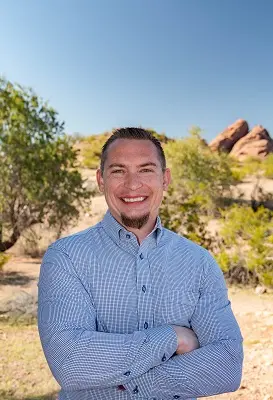
Steven Sheets, MC, LPC
President and CEO

Paul Buttermore, MA, LPC
VP Inpatient and Community Living Services
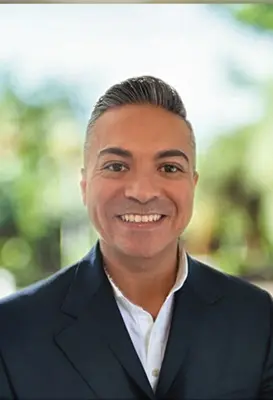
Greg Choy, MSN-HSA, RN, VP
Outpatient Services, Central Region
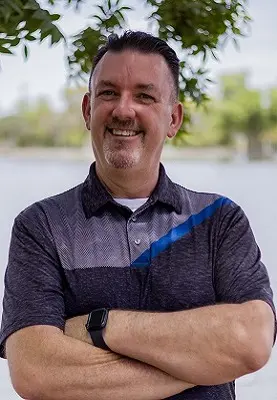
Dan Downs, SHRM
Chief People Officer
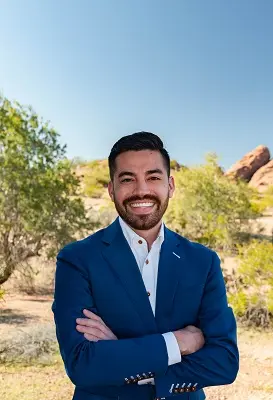
Dominic Miller, MPA, MSW, LCSW
Chief Operating Officer

Michael Sweeney, MD
Chief Medical Officer
Accreditations

The Commission on Accreditation of Rehabilitation Facilities (CARF) is a non-profit organization that specifically accredits rehab organizations. Founded in 1966, CARF's, mission is to help service providers like rehab facilities maintain high standards of care.
CARF Accreditation: Yes
Rehab.com regularly reviews this listing for accuracy but changes may occur between updates. For the most up-to-date information, please contact Southwest Behavioral & Health Services Prescott Valley Outpatient.
Contact Information

2289, 7600 Florentine Rd
Ste. 201
Prescott Valley, AZ 86314
Get Help Now - 928-362-4304
Sponsored Helpline
Sponsored Helpline



