












Footprints to Recovery Addiction Treatment Centers
1
Top 10 Rehab Centers In Centennial



















































































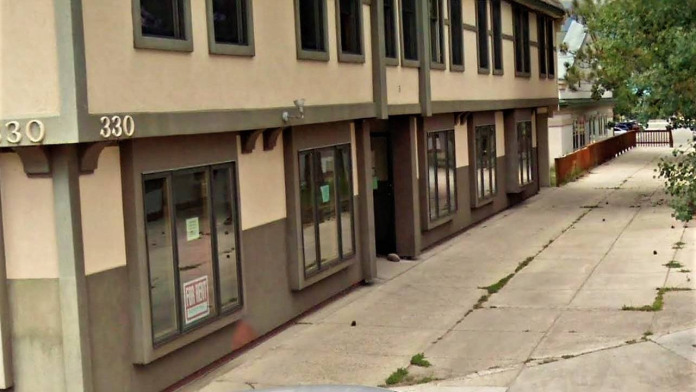
Summit Women’s Recovery is a women-focused addiction treatment provider in Dillon, Colorado offering trauma-integrated care built on a “by women, for women” model.
The Dillon program centers on an intensive outpatient program with outpatient services, relapse prevention and dual diagnosis support for both substance use and mental health.
Clients can relax and feel safe, supported and understood, with care that treats mental health and recovery together.
The Dillon program provides an intensive outpatient program and outpatient care, along with relapse prevention and 12-step therapy.
Services include group and individual therapy, family sessions, psychiatry and medication management, recovery coaching, continuing care and supportive or transitional living options. They use proven approaches include CBT, DBT and EMDR.
Summit Women’s Recovery serves adult women, including LGBTQ+ clients and those with pregnancy, prenatal or postpartum concerns.
Specialties include addiction, women’s issues, trauma and PTSD and co-occurring mental health disorders.
The facility is conveniently located bringing specialized women’s behavioral health care to mountain-area clients. Services are available both in person and online.
Summit Women’s Recovery in Dillon offers structured, trauma-integrated treatment designed for women who want to heal while maintaining work, parenting and home responsibilities.

 Our Methodology


Self-pay involves paying for treatment out of your own pocket. You can use savings or credit, get a personal loan, or receive help from family and friends to fund your treatment. If you don't have insurance or your insurance plan doesn't cover a specific program, self-pay can help ensure you still get the care you need.
Private insurance refers to any kind of healthcare coverage that isn't from the state or federal government. This includes individual and family plans offered by an employer or purchased from the Insurance Marketplace. Every plan will have different requirements and out of pocket costs so be sure to get the full details before you start treatment.
Military members, veterans, and eligible dependents have access to specific insurance programs that help them get the care they need. TRICARE and VA insurance can help you access low cost or no cost addiction and mental health treatment. Programs that accept military insurance often have targeted treatment focused on the unique challenges military members, veterans, and their families face.
Outpatient Programs (OP) are for those seeking mental rehab or drug rehab, but who also stay at home every night. The main difference between outpatient treatment (OP) and intensive outpatient treatment (IOP) lies in the amount of hours the patient spends at the facility. Most of the time an outpatient program is designed for someone who has completed an inpatient stay and is looking to continue their growth in recovery. Outpatient is not meant to be the starting point, it is commonly referred to as aftercare.
12-step programs are addiction recovery models based on Alcoholics Anonymous (AA). A number of substance abuse programs (including some drug and alcohol rehab centers) use the 12 steps as a basis for treatment. Beginning steps involve admitting powerlessness over the addiction and creating a spiritual basis for recovery. Middle steps including making direct amends to those who've been hurt by the addiction, and the final step is to assist others in addiction recovery in the same way. 12-Step offshoots including Narcotics Anonymous (NA), Cocaine Anonymous (CA), Dual Recovery Anonymous (DRA), Sex and Love Addicts Anonymous (SLAA) and Gamblers Anonymous (GA).
Completing a drug or alcohol rehab program shouldn't spell the end of substance abuse treatment. Aftercare involves making a sustainable plan for recovery, including ongoing support. This can include sober living arrangements like halfway houses, career counseling, and setting a patient up with community programs like Alcoholics Anonymous (AA) or Narcotics Anonymous (NA).
A combined mental health and substance abuse rehab has the staff and resources available to handle individuals with both mental health and substance abuse issues. It can be challenging to determine where a specific symptom stems from (a mental health issue or an issue related to substance abuse), so mental health and substance abuse professionals are helpful in detangling symptoms and keeping treatment on track.
Adult rehab programs include therapies tailored to each client's specific needs, goals, and recovery progress. They are tailored to the specific challenges adult clients may face, including family and work pressures and commitments. From inpatient and residential treatment to various levels of outpatient services, there are many options available. Some facilities also help adults work through co-occurring conditions, like anxiety, that can accompany addiction.
Young adulthood can be an exciting, yet difficult, time of transition. Individuals in their late teens to mid-20s face unique stressors related to school, jobs, families, and social circles, which can lead to a rise in substance use. Rehab centers with dedicated young adult programs will include activities and amenities that cater to this age group, with an emphasis on specialized counseling, peer socialization, and ongoing aftercare.
Group therapy is any therapeutic work that happens in a group (not one-on-one). There are a number of different group therapy modalities, including support groups, experiential therapy, psycho-education, and more. Group therapy involves treatment as well as processing interaction between group members.
In individual therapy, a patient meets one-on-one with a trained psychologist or counselor. Therapy is a pivotal part of effective substance abuse treatment, as it often covers root causes of addiction, including challenges faced by the patient in their social, family, and work/school life.
 Residential Setting
Founder, Chief Empowerment Officer

Executive Director of Women’s Recovery
Chief Clinical Officer
Psychiatric Mental Health Nurse Practitioner
Medical Director
Clinical Director

Clinical Lead, Summit Women’s Recovery

Director of Client Services

The Commission on Accreditation of Rehabilitation Facilities (CARF) is a non-profit organization that specifically accredits rehab organizations. Founded in 1966, CARF's, mission is to help service providers like rehab facilities maintain high standards of care.
CARF Accreditation: Yes

LegitScript has reviewed Summit Women’s Recovery as part of their certification program, and has determined that it meets the LegitScript standards for legality, safety and transparency.
LegitScript verified in May 2020

The National Association of Addiction Treatment Providers (NAATP) is a professional association that represents organizations in the field of addiction services. Founded in 1978, NAATP's mission is to advance addiction services and ensure that high-quality addiction treatment is available and accessible.
NAATP Member: Yes

The Substance Abuse and Mental Health Services Administration (SAMHSA) is a branch of the U.S. Department of Health and Human Services. Established in 1992 by congress, SAMHSA's mission is to reduce the impact of substance abuse and mental illness on American's communities.
SAMHSA Listed: Yes

State Licenses are permits issued by government agencies that allow rehab organizations to conduct business legally within a certain geographical area. Typically, the kind of program a rehab facility offers, along with its physical location, determines which licenses are required to operate legally.
State License: Colorado
Rehab.com regularly reviews this listing for accuracy but changes may occur between updates. For the most up-to-date information, please contact Summit Women’s Recovery.

330 Fiedler Ave
#103
Dillon, CO 80435
Sponsored Helpline

Summit womans recovery is phenomenal! I just celebrated 4 years sober and without SWR, I wouldn't be where I am today. The only reason there isn't more awesome reviews is because of the stigma around admitting online you went to a recovery program. If you have a problem with drugs or alcohol you will get the tools to get through it with SWR.

Was very dissapointed with my experience. I was never told I'd be charged for the assessment, which is the process it takes to find out if I'm a good fit for their program. I was charged $750 for the assessment, which is more than I was quoted for the program entirely. Seems these folks are all about money rather than finding someone a program that's going to work for them. Breaks my heart to see mental health companies taking advantage of the mentally ill.

Summit Women’s Recovery was instrumental in my transition from inpatient treatment to moving home. Jeanette and Susanne are amazing, insightful therapists who assisted my entire family in building trust with each other and mending resentments. I have been sober a year and a half and owe a debt of gratitude to SWR for helping me to forgive myself and navigate a new, happy, peaceful life in recovery. I stayed nearly a year at Summit Women’s Recovery for the support, camaraderie and friendships I found there. I can’t praise Summit Women’s Recovery enough for the work they are doing!

I highly recommend Summit Women’s Recovery for anyone struggling, in recovery or just need a starting point to better themself. Jeanette and Susanne are wonderful sources of advice, encouragement and make you feel you can achieve your personal goals you always dreamed of. SWR is a great place to meet and interact with inspiring people on the road to recovery.
 Back
Back
Sharing your insights and experiences can help others learn more about this rehab center.