






























































































About All Points North Lodge
Ketamine-assisted therapy and deep transcranial magnetic stimulation sit alongside counseling at All Points North Lodge, an addiction treatment center in Edwards, Colorado. The center treats addiction and co-occurring mental health conditions together and sits in the Cordillera neighborhood, about 30 minutes from Eagle County Regional Airport.
Medical detox is not offered in Edwards. APN runs detox in Denver and Dallas/Fort Worth.
Ketamine Therapy and dTMS
Ketamine-assisted therapy gives a supervised dose of ketamine during a therapy session, and dTMS uses magnetic pulses to stimulate areas of the brain. The Lodge also runs accelerated deep TMS, hyperbaric oxygen therapy and EMDR.
In EMDR a person holds a difficult memory while following a moving stimulus, which is meant to lower its charge. That is why it turns up in addiction treatment, where substance use often goes back to something earlier.
Accreditation and Clinical Staffing
APN Lodge holds the Joint Commission’s Gold Seal of Approval, and its therapists are master’s-level. Residential treatment, PHP and IOP all run at the Lodge, and a residential discharge can step down to PHP, IOP or virtual therapy through APN Connection.
Separate tracks serve veterans and first responders, healthcare professionals and professional athletes. The healthcare professionals track carries FSPHP-ETA accreditation, which applies to programs treating people in safety-sensitive roles.
APN Lodge is in network with First Health for residential and PHP treatment and is a TriWest-approved provider. What either arrangement covers comes down to the rehab insurance terms in a person’s policy.
Facility Overview
 61 - 90
 Latest Reviews



Rehab Score
 Our Methodology


Gallery





Accepted Insurance
Other Forms of Payment
Private insurance refers to any kind of healthcare coverage that isn't from the state or federal government. This includes individual and family plans offered by an employer or purchased from the Insurance Marketplace. Every plan will have different requirements and out of pocket costs so be sure to get the full details before you start treatment.
Self-pay involves paying for treatment out of your own pocket. You can use savings or credit, get a personal loan, or receive help from family and friends to fund your treatment. If you don't have insurance or your insurance plan doesn't cover a specific program, self-pay can help ensure you still get the care you need.
Financial aid can take many forms. Centers may have grants or scholarships available to clients who meet eligibility requirements. Programs that receive SAMHSA grants may have financial aid available for those who need treatment as well. Grants and scholarships can help you pai for treatment without having to repay.
Military members, veterans, and eligible dependents have access to specific insurance programs that help them get the care they need. TRICARE and VA insurance can help you access low cost or no cost addiction and mental health treatment. Programs that accept military insurance often have targeted treatment focused on the unique challenges military members, veterans, and their families face.
Private insurance refers to any kind of healthcare coverage that isn't from the state or federal government. This includes individual and family plans offered by an employer or purchased from the Insurance Marketplace. Every plan will have different requirements and out of pocket costs so be sure to get the full details before you start treatment.
Financing your treatment can make treatment more accessible. You'll work with your care provider to set up payment plans, including interest rates and repayment timelines. Financing options vary widely and not all programs offer them, so be sure to get the full details before enrolling in treatment. If you have insurance or other benefits, financing may help you cover your remaining out of pocket expenses.
Addiction Treatments
Levels of Care
Clients entering an inpatient rehab typically require more intensive treatment than those in outpatient care. Clients often start inpatient treatment immediately after completing a detox program. Upon admission, they engage in extensive psychotherapy, receive recovery-focused life skills training, and participate in evidence-based complementary therapies, such as meditation, massage, acupuncture, and/or animal, creative arts, recreational, and experiential therapy.
For those that don't require round-the-clock care, a partial hospitalization program (PHP) is a short-term option that can be used as a step-down treatment or as an alternative to intensive hospitalization. PHP treatment requires up to 5 days a week of commitment where you'll receive 6 to 8 hours of support every day. While a partial hospitalization program typically requires a commute, telehealth may be available. PHP treatment costs can vary but are often covered by most insurance.
Treatments
Alcoholism is defined as a physical dependence on alcohol. In this state, the body experiences withdrawal symptoms in the absence of alcohol. Over time, a person with alcohol use disorder also must drink greater amounts of alcohol to achieve the same effects. To overcome alcohol use disorder, alcohol rehab in Colorado is usually necessary, a process which includes supervised medical detox. This is followed by intensive rehab, then a maintenance program that may include 12-step support.
Professional services are often necessary to recover from addiction. Drug rehab in Colorado provides the expert services needed to address the complex issues of addiction and help individuals start their recovery journey.
 Opioid Addiction
Colorado offers a range of substance abuse treatment programs that encompass various levels of care to meet your specific needs. These addiction treatment programs often encompass medical detox, outpatient, inpatient, and partial hospitalization programs. You'll find each program includes individual and group therapy, and educational groups to provide you with the tools to achieve and sustain your recovery.
Colorado offers dual-diagnosis addiction treatment programs that encompass various levels of care to meet your individual needs, including medical detox, outpatient, inpatient, and partial hospitalization programs for individuals with co-occurring mental health and substance use disorders. These dual-diagnosis rehab programs incorporate evidence-based therapies such as cognitive-behavioral therapy (CBT) or dialectical behavior therapy (DBT) to successfully address substance use disorders and co-occurring diagnoses.
With residential addiction treatment, you live in a rehab facility while receiving mental health services. Rehabs offer 24/7 care provided by clinical and mental health staff. A typical inpatient program lasts 28-30 days, but some last for several months. Standard mental health services include group and individual counseling, with addiction and relapse prevention education. Amenities, like recreational offerings, vary by facility.
Programs
Adult rehab programs include therapies tailored to each client's specific needs, goals, and recovery progress. They are tailored to the specific challenges adult clients may face, including family and work pressures and commitments. From inpatient and residential treatment to various levels of outpatient services, there are many options available. Some facilities also help adults work through co-occurring conditions, like anxiety, that can accompany addiction.
Young adulthood can be an exciting, yet difficult, time of transition. Individuals in their late teens to mid-20s face unique stressors related to school, jobs, families, and social circles, which can lead to a rise in substance use. Rehab centers with dedicated young adult programs will include activities and amenities that cater to this age group, with an emphasis on specialized counseling, peer socialization, and ongoing aftercare.
Recovery is most successful when clients feel accepted and validated by their peers and treatment providers. Facilities that offer LGBTQ-inclusive programming are committed to creating a safe space where everyone can grow and recover without fear of judgment or discrimination. They will have dedicated policies in place to create a safe and supportive environment that fosters free expression.
Serving in the military is both mentally and physically challenging, and can result in trauma that persists even after combat ends. Military programs are tailored to the specific and often complex needs of active duty personnel, veterans, and military families. Clients often access these programs through the U.S. Department of Veterans Affairs (VA).
Men face specific challenges and concerns when seeking addiction treatment. Gender-specific recovery programs help them tackle these issues head-on in an environment that's focused, targeted, and distraction-free. It also gives them the opportunity to connect with and learn from other men who have been through a similar journey and can offer support for the next step.
Rehabs for women provide a safe, nurturing space for female clients to heal. These treatment programs consider the specific obstacles that women can face during recovery and place a special emphasis on mental, social, physical, and reproductive health. They explore how each woman's experience has shaped the trajectory of their substance use, addressing issues such as sexual abuse and past trauma.
Clinical Services
The main principle of cognitive behavioral therapy (CBT) in Colorado is that substance use disorders are based on faulty thinking and behavior patterns. The goal of this treatment is to help the individual learn better ways of coping with challenges, which will lead to changes in thinking and behavior.
Dialectical behavior therapy is skills based and present oriented. You'll be asked to keep a diary of emotions and related behaviors and practice the skills you've been learning between sessions. The focus of skills development is on mindfulness, distress tolerance, emotion regulation, and interpersonal effectiveness.
 Equine Therapy
Group therapy in Colorado offers you a platform to share your stories about drug addiction and co occurring mental health conditions. You'll receive encouragement and empathy from peers who understand your journey, fostering a sense of community and belonging.
Men and women in Colorado have access to customized individual therapy sessions for drug and alcohol addiction treatment. These sessions explore your life experiences and patterns of substance abuse. Your therapist helps you recognize harmful behaviors and thoughts that empower you to make positive changes for lasting recovery.
Therapists who employ motivational interview techniques seek to draw out the client's ideas about change and allow them to draw their own conclusions about the need for change. This method is often effective for clients who feel unsure about their ability to change or the need for change.
During trauma therapy, you explore the impact that a traumatic event has had on your life. Your therapist can help you develop strategies to manage the emotional and physical symptoms while improving emotional regulation. This improves your overall quality of life.
Based on the couple's needs, couples therapy may take different forms. Your therapist will probably take an integrated approach, using techniques from several methods such as cognitive behavioral therapy and psychodynamic couple's therapy. The goal is to work through challenges and strengthen your relationship.
 Eye Movement Desensitization And Reprocessing
During family therapy sessions, family members in Colorado work with therapists to understand addiction as a disease that has affected the entire family. This approach fosters empathy and reduces blame on any one member. Promoting this collective effort helps to support the recovery process.
Life skills are traits you need to be successful during recovery, such as managing stress and interpersonal relationships. During rehab treatment in Colorado, you and your therapist will identify any skills that need to be developed and work on methods to strengthen them.
Participating in experiential therapy in Colorado brings awareness to the emotions and thoughts that affect your behavior. As you engage in an interactive or creative activity, your therapist will help you reflect on and analyze these patterns and develop healthy coping strategies to use in the future.
 Transcranial Magnetic Stimulation
Amenities
-
 Private Transportation
 -
 Yoga Studio
 -
 Residential Setting
 -
 Private Rooms
 -
 Luxury Accommodations
 -
 Spa
Spa -
 Gym
Gym -
 Mountain Views
 -
 Art Activities
Staff & Accreditations
Staff
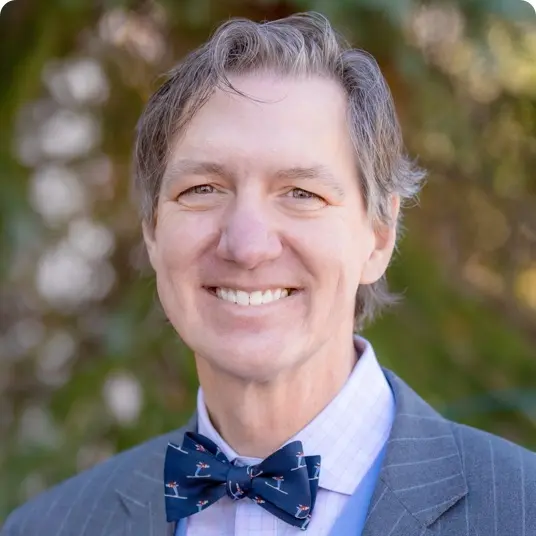
Dr. Philip Hemphill, PhD, LCSW
Chief Clinical Officer
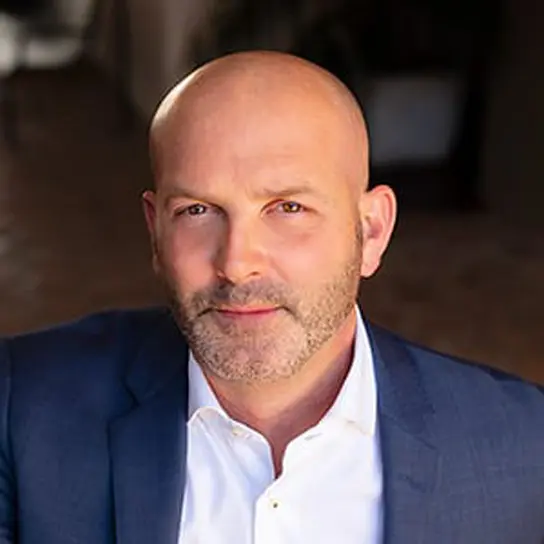
Noah Nordheimer
Chief Executive Officer
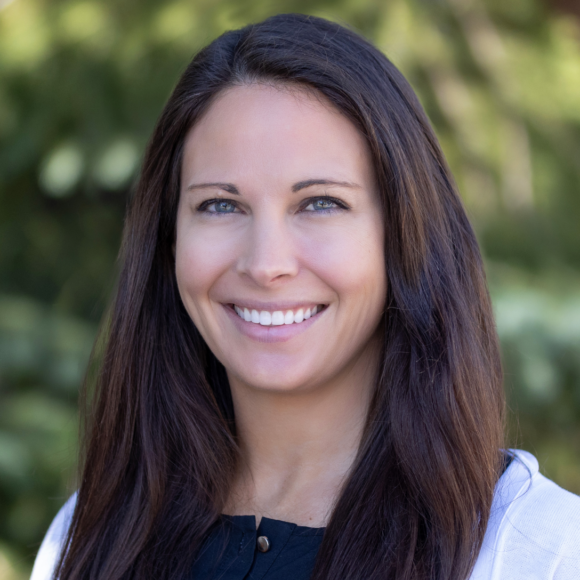
Dr. Amy Robertson, PsyD
Professionals Program Director
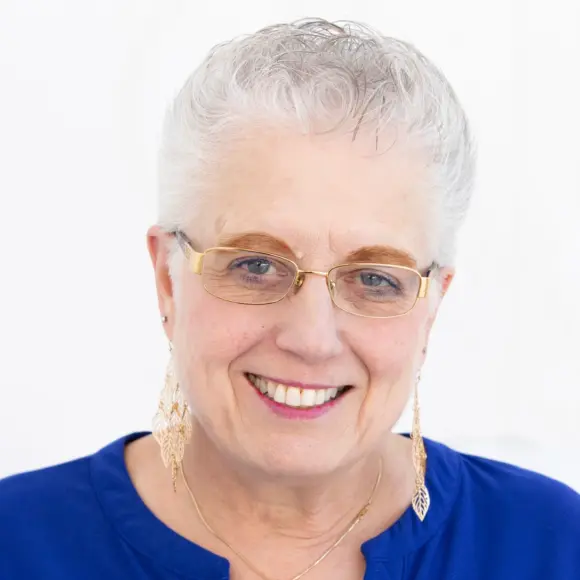
Arlene Story, MS, LMHC, LCAC, TEP, CSAT-S, CTT
Telehealth Therapist

Dr. Jes Montgomery, MD, FASAM, DABPN, DABAM
Medical Director
Accreditations

LegitScript has reviewed All Points North Lodge as part of their certification program, and has determined that it meets the LegitScript standards for legality, safety and transparency.
LegitScript verified in

The Joint Commission, formerly known as JCAHO, is a nonprofit organization that accredits rehab organizations and programs. Founded in 1951, the Joint Commision's mission is to improve the quality of patient care and demonstrating the quality of patient care.
Joint Commission Accreditation: Yes
Accreditation Number:
Rehab.com regularly reviews this listing for accuracy but changes may occur between updates. For the most up-to-date information, please contact All Points North Lodge.
Contact Information


2205 Cordillera Way
Edwards, CO 81632
Sponsored Helpline


