About The Guidance Center – Adult Services
The Guidance Center is an addiction treatment center in Southgate, Michigan. It admits adults who meet criteria for a substance use disorder, a severe persistent mental illness, or both, and it serves veterans, service members and military families.
The center, accredited by The Joint Commission, offers outpatient treatment and intensive outpatient treatment, and therapy is also available by telehealth.
Opioid Medication in Southgate
The Guidance Center uses buprenorphine, a medication that eases opioid withdrawal and cravings, and naltrexone, which blocks the effects of opioids, in treatment of opioid use disorder. A person lives at home while that medication is part of care.
Recovery coaching is one of the substance use services, and psychiatric services are available as appropriate. Service hours at the center are 8:30 a.m. to 7 p.m. Monday through Thursday and 8:30 a.m. to 5 p.m. on Friday, and people with physical challenges can access the building.
The center is a provider in the Detroit-Wayne Integrated Health Network and accepts Medicaid, Medicare, Tricare and commercial insurance. If you are uninsured, or if insurance does not cover a service, a sliding fee scale set from income and other factors applies.
Latest Reviews



Rehab Score
 Our Methodology


Gallery
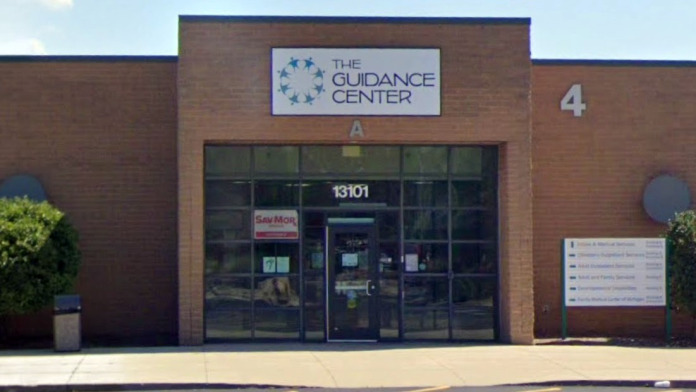
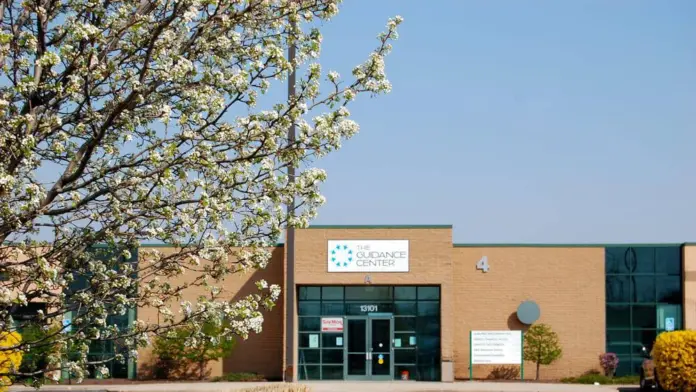
Other Forms of Payment
Private insurance refers to any kind of healthcare coverage that isn't from the state or federal government. This includes individual and family plans offered by an employer or purchased from the Insurance Marketplace. Every plan will have different requirements and out of pocket costs so be sure to get the full details before you start treatment.
Self-pay involves paying for treatment out of your own pocket. You can use savings or credit, get a personal loan, or receive help from family and friends to fund your treatment. If you don't have insurance or your insurance plan doesn't cover a specific program, self-pay can help ensure you still get the care you need.
Medicaid is a state based program that helps lower-income individuals and families pay for healthcare. Medicaid covers addiction treatment so those enrolled can use their coverage to pay for rehab. When a program accepts Medicaid the client often pays very little or nothing out of their own pocket.
Medicare is a federal program that provides health insurance for those 65 and older. It also serves people under 65 with chronic and disabling health challenges. To use Medicare for addiction treatment you need to find a program that accepts Medicare and is in network with your plan. Out of pocket costs and preauthorization requirements vary, so always check with your provider.
Military members, veterans, and eligible dependents have access to specific insurance programs that help them get the care they need. TRICARE and VA insurance can help you access low cost or no cost addiction and mental health treatment. Programs that accept military insurance often have targeted treatment focused on the unique challenges military members, veterans, and their families face.
Addiction Treatments
Levels of Care
Evening and weekend hours are available in the outpatient mental health and substance use disorder programs. You can use those hours for outpatient treatment.
Intensive Outpatient Programs (IOP) are for those who want or need a very structured treatment program but who also wish to live at home and continue with certain responsibilities (such as work or school). IOP substance abuse treatment programs vary in duration and intensity, and certain outpatient rehab centers will offer individualized treatment programs.
Treatments
The goal of treatment for alcoholism is abstinence. Those with poor social support, poor motivation, or psychiatric disorders tend to relapse within a few years of treatment. For these people, success is measured by longer periods of abstinence, reduced use of alcohol, better health, and improved social functioning. Recovery and Maintenance are usually based on 12 step programs and AA meetings.
Drug rehab in Michigan provides personalized treatment to help individuals break this cycle and regain control of their lives. Treatment methods are used in various levels of care, including inpatient rehab, partial hospitalization programs, intensive outpatient programs, and standard outpatient treatment.
Clients can meet criteria for substance abuse or dependence, for severe persistent mental illness, or for both. Those services cover that mix.
The Adult Behavioral Health Department offers treatment and recovery support for mental health disorders and substance use disorders, plus families. Clients may meet criteria for substance dependence or severe persistent mental illness.
Opioid rehabs specialize in supporting those recovering from opioid addiction. They treat those suffering from addiction to illegal opioids like heroin, as well as prescription drugs like oxycodone. These centers typically combine both physical as well as mental and emotional support to help stop addiction. Physical support often includes medical detox and subsequent medical support (including medication), and mental support includes in-depth therapy to address the underlying causes of addiction.
Inpatient addiction treatment includes mental health services designed to help you succeed in recovery or avoid relapse. Standard treatments include individual and group therapy sessions, relapse prevention education, and coping skills training. One of the main goals of therapy in rehab is to help you improve your mental health, eliminate patterns of unhealthy thinking that tend to drive or support self-destructive behaviors, and replace unhealthy patterns with healthy and rational thought patterns.
Programs
Adults and their families can get treatment and recovery support for mental health and substance use disorders through the Adult Behavioral Health Department.
Young adulthood can be an exciting, yet difficult, time of transition. Individuals in their late teens to mid-20s face unique stressors related to school, jobs, families, and social circles, which can lead to a rise in substance use. Rehab centers with dedicated young adult programs will include activities and amenities that cater to this age group, with an emphasis on specialized counseling, peer socialization, and ongoing aftercare.
Clinical Services
Research clearly demonstrates that recovery is far more successful and sustainable when loved ones like family members participate in rehab and substance abuse treatment. Genetic factors may be at play when it comes to drug and alcohol addiction, as well as mental health issues. Family dynamics often play a critical role in addiction triggers, and if properly educated, family members can be a strong source of support when it comes to rehabilitation.
Group therapy is offered as part of services here. Case management is another service, and psychiatric services are added when deemed appropriate.
Individual therapy is offered on its own, apart from group therapy. It sits with case management and psychiatric services, the latter when deemed appropriate.
Amenities
-
 Private Setting
Staff & Accreditations
Staff
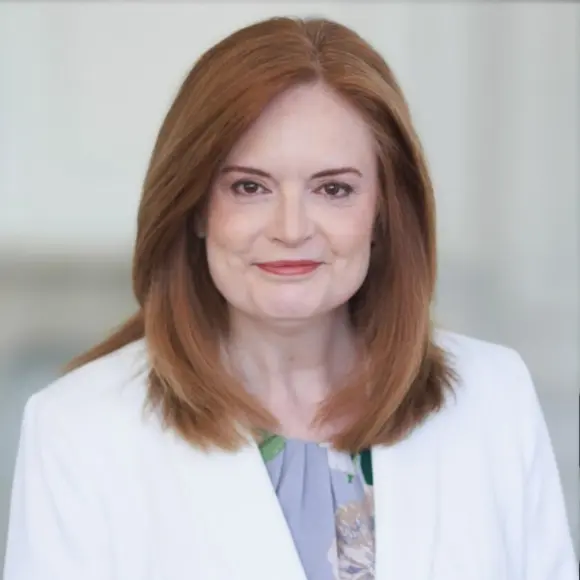
Laura Huot
President & CEO
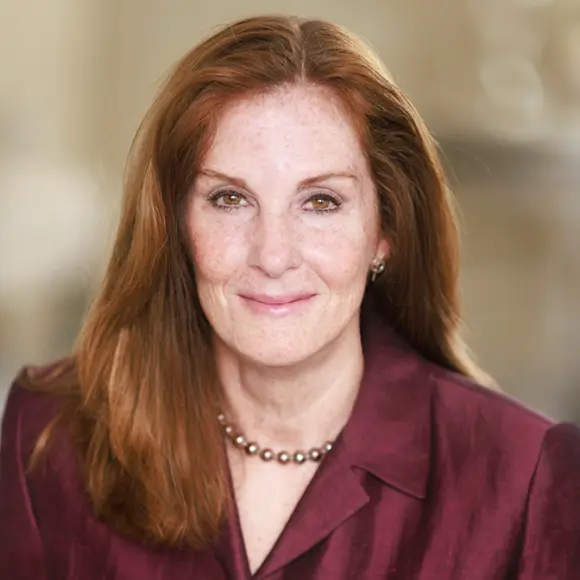
Jill Blackson
COO

Gary Guetschow
CFO
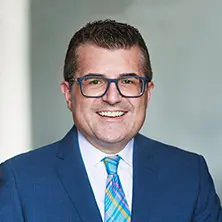
Pasquale Vignola
Chief Strategy Officer
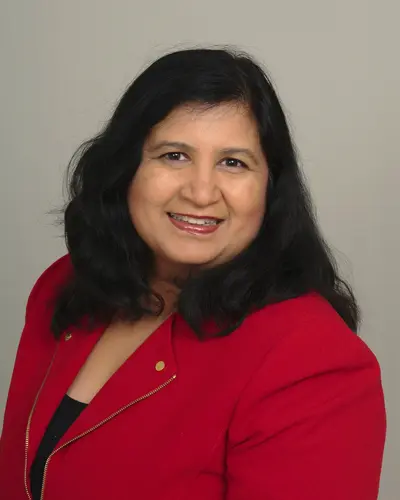
Nalini Agarwal, MD
Medical Director
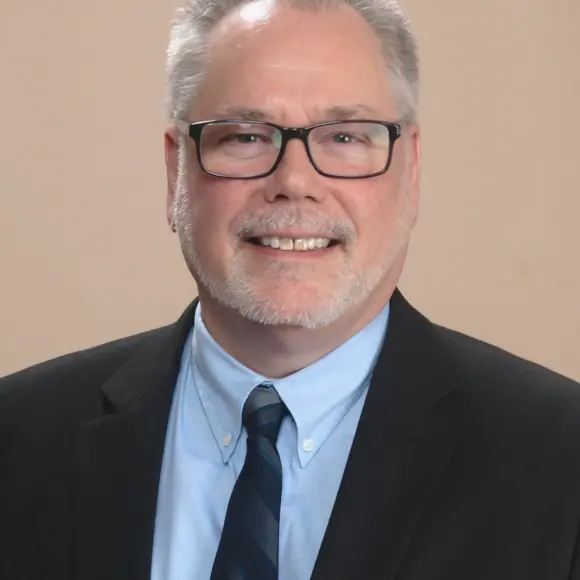
Rich Casteels
Director of Adult Behavioral Health
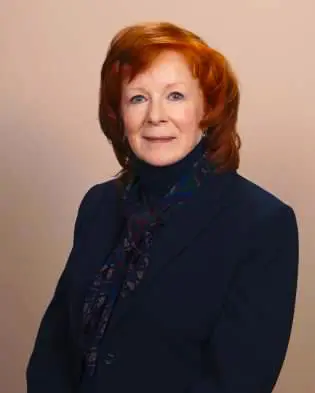
Mary Griffiths
Director of Psychiatric Medical Services
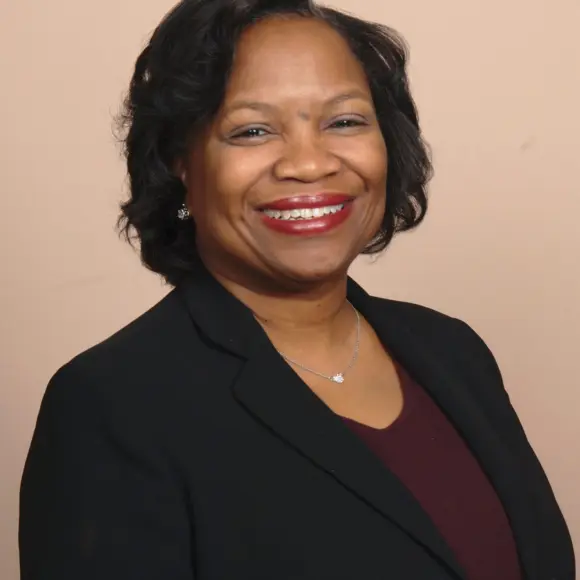
Kimberly Hinton
Director of Children’s Behavioral Health
Accreditations

The Joint Commission, formerly known as JCAHO, is a nonprofit organization that accredits rehab organizations and programs. Founded in 1951, the Joint Commision's mission is to improve the quality of patient care and demonstrating the quality of patient care.
Joint Commission Accreditation: Yes
Rehab.com regularly reviews this listing for accuracy but changes may occur between updates. For the most up-to-date information, please contact The Guidance Center – Adult Services.
Contact Information


13101 Allen Road
Building 4
Southgate, MI 48195
Sponsored Helpline