











Ashwood Recovery – Outpatient
1
Top 10 Rehab Centers In Boise



















































































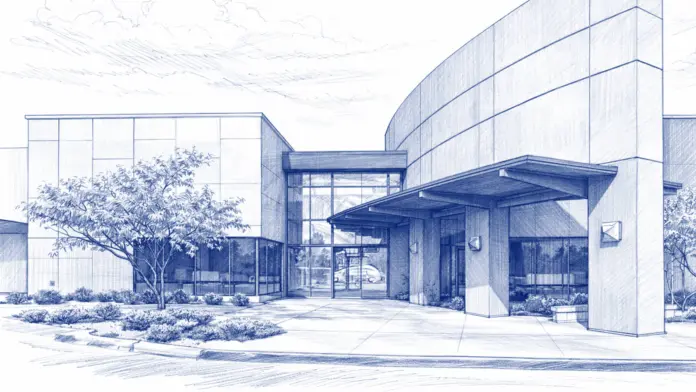
Home to the world’s largest building by volume, the Boeing Factory, Everett, Washington also features Therapeutic Health Services – Youth and Family. Since 1972, this behavioral health organization has provided comprehensive services for Puget Sound adults, youth, and families. You and your loved ones can access various outpatient programs to overcome addiction and co-occurring disorders.
Their programs prioritize a culturally relevant whole person approach, ensuring you receive care that meets you where you are in recovery. You can access assessments, medication assisted treatment (MAT), group, individual, and family counseling, mental health care, specialized programs, and much more.
What strikes me most is their program for parenting and pregnant women. They help mothers and expectant mothers foster a healthy, stable lifestyle for their families. You can access targeted behavioral and primary care to develop the tools to sustain recovery.
They offer specialized counseling sessions focused on women’s issues, like sexual abuse, reproductive health, child abuse, and parenting skills. You can also access tailored groups to connect with other women on similar paths and grow together.
vd
Another great feature I noticed was their Veteran’s Outreach Program. You and your family can access assistance with securing military benefits to enhance your journey. Their dedicated Veterans outreach specialists also connect you with essential care for addiction, co-occurring disorders trauma, and more.
Lastly, I think their King County Drug Court program is wonderful. They provide treatment as an alternative to incarceration to break the cycle of addiction and criminal behaviors.
You’ll benefit from proven therapeutic interventions, including MAT, intensive substance and mental health treatment, life skills training, educational and employment services, and more. They offer a second chance to get your life on track and prevent recidivism.


 Our Methodology


Medicaid is a state based program that helps lower-income individuals and families pay for healthcare. Medicaid covers addiction treatment so those enrolled can use their coverage to pay for rehab. When a program accepts Medicaid the client often pays very little or nothing out of their own pocket.
Private insurance refers to any kind of healthcare coverage that isn't from the state or federal government. This includes individual and family plans offered by an employer or purchased from the Insurance Marketplace. Every plan will have different requirements and out of pocket costs so be sure to get the full details before you start treatment.
Self-pay involves paying for treatment out of your own pocket. You can use savings or credit, get a personal loan, or receive help from family and friends to fund your treatment. If you don't have insurance or your insurance plan doesn't cover a specific program, self-pay can help ensure you still get the care you need.
Financial aid can take many forms. Centers may have grants or scholarships available to clients who meet eligibility requirements. Programs that receive SAMHSA grants may have financial aid available for those who need treatment as well. Grants and scholarships can help you pai for treatment without having to repay.
Military members, veterans, and eligible dependents have access to specific insurance programs that help them get the care they need. TRICARE and VA insurance can help you access low cost or no cost addiction and mental health treatment. Programs that accept military insurance often have targeted treatment focused on the unique challenges military members, veterans, and their families face.
Outpatient Programs (OP) are for those seeking mental rehab or drug rehab, but who also stay at home every night. The main difference between outpatient treatment (OP) and intensive outpatient treatment (IOP) lies in the amount of hours the patient spends at the facility. Most of the time an outpatient program is designed for someone who has completed an inpatient stay and is looking to continue their growth in recovery. Outpatient is not meant to be the starting point, it is commonly referred to as aftercare.
Intensive Outpatient Programs (IOP) are for those who want or need a very structured treatment program but who also wish to live at home and continue with certain responsibilities (such as work or school). IOP substance abuse treatment programs vary in duration and intensity, and certain outpatient rehab centers will offer individualized treatment programs.
The goal of treatment for alcoholism is abstinence. Those with poor social support, poor motivation, or psychiatric disorders tend to relapse within a few years of treatment. For these people, success is measured by longer periods of abstinence, reduced use of alcohol, better health, and improved social functioning. Recovery and Maintenance are usually based on 12 step programs and AA meetings.
Effective drug rehab in Washington integrates care for the whole person, offering comprehensive solutions to addiction. Treatment methods address mental, physical, and relational aspects of substance abuse.
Opioid rehabs specialize in supporting those recovering from opioid addiction. They treat those suffering from addiction to illegal opioids like heroin, as well as prescription drugs like oxycodone. These centers typically combine both physical as well as mental and emotional support to help stop addiction. Physical support often includes medical detox and subsequent medical support (including medication), and mental support includes in-depth therapy to address the underlying causes of addiction.
Substance rehabs focus on helping individuals recover from substance abuse, including alcohol and drug addiction (both illegal and prescription drugs). They often include the opportunity to engage in both individual as well as group therapy.
Adult rehab programs include therapies tailored to each client's specific needs, goals, and recovery progress. They are tailored to the specific challenges adult clients may face, including family and work pressures and commitments. From inpatient and residential treatment to various levels of outpatient services, there are many options available. Some facilities also help adults work through co-occurring conditions, like anxiety, that can accompany addiction.
Research clearly demonstrates that recovery is far more successful and sustainable when loved ones like family members participate in rehab and substance abuse treatment. Genetic factors may be at play when it comes to drug and alcohol addiction, as well as mental health issues. Family dynamics often play a critical role in addiction triggers, and if properly educated, family members can be a strong source of support when it comes to rehabilitation.
Group therapy is any therapeutic work that happens in a group (not one-on-one). There are a number of different group therapy modalities, including support groups, experiential therapy, psycho-education, and more. Group therapy involves treatment as well as processing interaction between group members.
Rehab.com regularly reviews this listing for accuracy but changes may occur between updates. For the most up-to-date information, please contact Therapeutic Health Services – Youth and Family.

9930 Evergreen Way
Building Z-154
Everett, WA 98204
Sponsored Helpline


Awful. I rarely write a review ever. I've been through 3 therapists with them now. Not even worth your insurance's money, much less your own cash. Place is run like a circus. Like people playing business, circling back to people who make excuses upon excuses of why they can't follow through on their commitment to you as a patient. 1. Avoid their facilitator Desiree Kay Robinson. Rude, unaccomodating and will drop you without notice. Just a sudden call from their intake appt maker. 2. THS' failure to properly update my address led to backed up billing issues. And with their excuses around their new system vs their old system for the last year is a joke.They can't and won't provide me with an accurate updated billing invoice. Their failure to process my referrals to their own skill and support groups for nearly 2 years was pathetic. 3. You will likely only get an intern, on their way out in 6 months leaving you with taking whatever they give you after they leave. With zero concern for a patient with high support needs. 4. If your therapist needs to take unexpected time away. They only call the day of, before your appt (7am) and if you miss the call, no voicemail, no followup. Keep waiting til next week when they call at 7am again and the answer is... again, no services but a weak promise to talk to some manager about it later this week. After multiple years with THS and accepting the most unprofessional handling and behavior from their whole un-Organization. I'm done. Seriously, don't waste your time or money, these people are a farce and a joke.

Being told your cattle is not a great feeling, doing everything right for so many years, never testing positive and always clean, treated terrible still. Having a girl mace you by accident, tried to get girl next to me, and being so careful to protect myself as she took shots to my blind eyes and temples, and I put her in a hold as I begged for security, did not matter. I was told by security I did everything correct, then got a call minutes later saying I was booted for physical contact. Video proves all, witnesses backed up all, but that was that. They played with my 23 year sobriety

Super friendly staff, everybody was very nice welcoming, non judgemental and very informative on things I wasn't told at previous clinics. I would definitely recommend this clinic to anybody who is looking to get help from a great clinic!! Great people. :)
 Back
Back
Sharing your insights and experiences can help others learn more about this rehab center.
 Written By: Mariah Bourne
M.A.
Written By: Mariah Bourne
M.A.


