





























































































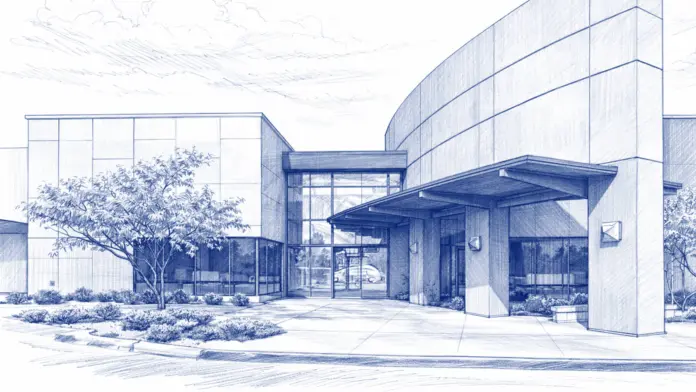


As a parent, entrusting someone else with my child—especially during his most vulnerable and difficult time—was one of the hardest decisions my family has ever made. Sending my son to White River Academy was not something our family took lightly, but I can honestly say i ...
About White River Academy
White River Academy is a residential addiction treatment center and therapeutic boarding school in Delta, Utah, serving adolescent males ages 13 to 17 years who are struggling with substance use, mental health disorders and behavioral challenges.
The program combines 24/7 residential care with academic education, family involvement and experiential learning. White River Academy takes an evidence based, whole person approach designed to help teens heal while continuing their education in a safe, structured environment.
Adolescent Treatment Programs at White River Academy
Care begins with a comprehensive admissions assessment to determine each teen’s clinical, emotional and academic needs. From there, students enter the residential treatment program, which offers around the clock structure and therapeutic support in a rural campus setting.
Clients can expect a blend of individual, group and family therapy using evidence based modalities such as cognitive behavioral therapy (CBT) and dialectical behavior therapy (DBT).
The program also addresses co occurring conditions like depression, anxiety, trauma, ADHD and ODD, while incorporating outdoor recreation and aftercare planning to support long term success.
Quick Facts About White River Academy
- Location: Rural campus in Delta, Utah, offering a quiet, distraction free setting.
- Level of care: Residential treatment and therapeutic boarding school with aftercare planning.
- Who they treat: Adolescent males ages 13 to 17 years with substance use and co-occurring mental health concerns.
- Approach: Evidence based therapies including CBT, DBT and family focused care.
- Specialty programs: Treatment for trauma, ADHD, ODD, depression, anxiety and self harming behaviors.
- Amenities: On campus academics, outdoor recreation and experiential learning activities.
Starting Treatment in Delta, Utah
Families can begin the process by contacting the admissions team at White River Academy in Delta, Utah, where staff complete an assessment to determine the best fit for each teen. The admissions team can also walk families through program details and payment options.
Latest Reviews
Incredible and beautiful thank you;
Response from the owner3 weeks ago
Thank you for your kind words regarding our teenage residential treatment center for boy and young men. We’re so glad you had an incredible experience with us; it truly means a lot!
If you want real help for your loved one, this is the place. The staff is loving and kind, yet have boundaries as well. They have a wonderful school with fantastic teachers who take the time to help them through their studies. Their therapist are top notch who can treat any kind of addiction and behavioral problems. I’d recommend this place over and over again.
Response from the owner3 weeks ago
Thank you for sharing this, Kellie. We’re grateful for your trust and your kind words about the team, educators, and clinical staff. Providing a supportive environment with clear structure and compassionate care is central to the work being done. We truly appreciate your recommendation and are glad your loved one received meaningful support.
As a community partner, I’ve witnessed the compassion that begins at intake and carries through every interaction at White River Academy. They take the time to understand the root of each child’s struggles, meeting them with patience and dignity. Their trauma-informed care lifts kids up in ways that help them heal, believe in themselves again, and feel safe for the first time in a long time. A team of real people, dealing with real societal issues in a real way
Response from the owner3 weeks ago
Thank you for sharing this. We really appreciate your perspective as a community partner. The team at White River Academy works hard to meet each student with patience, dignity, and trauma-informed care, so it means a lot to hear that reflected in your experience. Supporting kids in a way that helps them feel safe and rebuild confidence is at the heart of what we do. Thanks again for taking the time to leave such a thoughtful review. 
Rehab Score
 Our Methodology
Scoring is assigned by a proprietary system which helps surface key metrics that determine quality. The 10-point scale factors in categories such as operations, customer satisfaction, and trust metrics. Read Full Methodology

6.9 / 10
Gallery
Other Forms of Payment
Self-pay involves paying for treatment out of your own pocket. You can use savings or credit, get a personal loan, or receive help from family and friends to fund your treatment. If you don't have insurance or your insurance plan doesn't cover a specific program, self-pay can help ensure you still get the care you need.
Private insurance refers to any kind of healthcare coverage that isn't from the state or federal government. This includes individual and family plans offered by an employer or purchased from the Insurance Marketplace. Every plan will have different requirements and out of pocket costs so be sure to get the full details before you start treatment.
Addiction Treatments
Levels of Care
Residential treatment programs are those that offer housing and meals in addition to substance abuse treatment. Rehab facilities that offer residential treatment allow patients to focus solely on recovery, in an environment totally separate from their lives. Some rehab centers specialize in short-term residential treatment (a few days to a week or two), while others solely provide treatment on a long-term basis (several weeks to months). Some offer both, and tailor treatment to the patient's individual requirements.
In order to ensure your safety during the withdrawal process, rehabs offer 24-hour clinical care in Utah. You have access to experienced medical staff around the clock, and they can adminsiter treatments or perform clincial interventions that lessen withdrawal symptoms and make you more comfortable. Teatments can include medications, nutritional supplements, and mental health counseling.
Treatments
The goal of treatment for alcoholism is abstinence. Those with poor social support, poor motivation, or psychiatric disorders tend to relapse within a few years of treatment. For these people, success is measured by longer periods of abstinence, reduced use of alcohol, better health, and improved social functioning. Recovery and Maintenance are usually based on 12 step programs and AA meetings.
When you enter a drug rehab in Utah, the process usually involves four stages: treatment initiation, early abstinence, maintaining abstinence, and advanced recovery. Treatment methods can rely on medications, counseling, or both, in either an outpatient or inpatient setting.
Many of those suffering from addiction also suffer from mental or emotional illnesses like schizophrenia, bipolar disorder, depression, or anxiety disorders. Rehab and other substance abuse facilities treating those with a dual diagnosis or co-occurring disorder administer psychiatric treatment to address the person's mental health issue in addition to drug and alcohol rehabilitation.
A combined mental health and substance abuse rehab has the staff and resources available to handle individuals with both mental health and substance abuse issues. It can be challenging to determine where a specific symptom stems from (a mental health issue or an issue related to substance abuse), so mental health and substance abuse professionals are helpful in detangling symptoms and keeping treatment on track.
Opioid rehabs specialize in supporting those recovering from opioid addiction. They treat those suffering from addiction to illegal opioids like heroin, as well as prescription drugs like oxycodone. These centers typically combine both physical as well as mental and emotional support to help stop addiction. Physical support often includes medical detox and subsequent medical support (including medication), and mental support includes in-depth therapy to address the underlying causes of addiction.
Clinical Services
Cognitive Behavioral Therapy (CBT) is a therapy modality that focuses on the relationship between one's thoughts, feelings, and behaviors. It is used to establish and allow for healthy responses to thoughts and feelings (instead of unhealthy responses, like using drugs or alcohol). CBT has been proven effective for recovering addicts of all kinds, and is used to strengthen a patient's own self-awareness and ability to self-regulate. CBT allows individuals to monitor their own emotional state, become more adept at communicating with others, and manage stress without needing to engage in substance abuse. Using this method, adolescents learn about the connection between distorted thoughts and how they affect daily decisions.
Dialectical Behavior Therapy (DBT) is a modified form of Cognitive Behavioral Therapy (CBT), a treatment designed to help people understand and ultimately affect the relationship between their thoughts, feelings, and behaviors. DBT is often used for individuals who struggle with self-harm behaviors, such as self-mutilation (cutting) and suicidal thoughts, urges, or attempts. It has been proven clinically effective for those who struggle with out-of-control emotions and mental health illnesses like Borderline Personality Disorder.
Experiential therapy is a form of therapy in which clients are encouraged to surface and work through subconscious issues by engaging in real-time experiences. Experiential therapy departs from traditional talk therapy by involving the body, and having clients engage in activities, movements, and physical and emotional expression. This can involve role-play or using props (which can include other people). Experiential therapy can help people process trauma, memories, and emotion quickly, deeply, and in a lasting fashion, leading to substantial and impactful healing.
Research clearly demonstrates that recovery is far more successful and sustainable when loved ones like family members participate in rehab and substance abuse treatment. Genetic factors may be at play when it comes to drug and alcohol addiction, as well as mental health issues. Family dynamics often play a critical role in addiction triggers, and if properly educated, family members can be a strong source of support when it comes to rehabilitation.
Group therapy is any therapeutic work that happens in a group (not one-on-one). There are a number of different group therapy modalities, including support groups, experiential therapy, psycho-education, and more. Group therapy involves treatment as well as processing interaction between group members.
In individual therapy, a patient meets one-on-one with a trained psychologist or counselor. Therapy is a pivotal part of effective substance abuse treatment, as it often covers root causes of addiction, including challenges faced by the patient in their social, family, and work/school life.
Recreational therapy (aka therapeutic recreation) uses creative and fun activities to help with addiction recovery. Recreational therapists lead patients in entertaining and engaging activities like sports or games; art (drawing, painting, sculpture); drama, music, and dance; and/or community outings (field trips) to improve patients' physical, social, and emotional well-being.
Amenities
-
 Private Setting
Staff & Accreditations
Staff
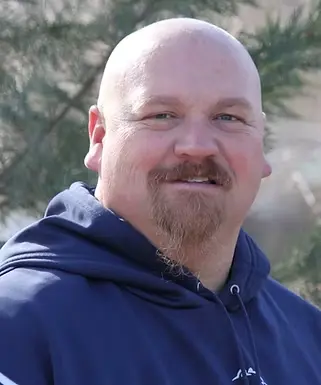
Justin Nielson
Executive Program Director
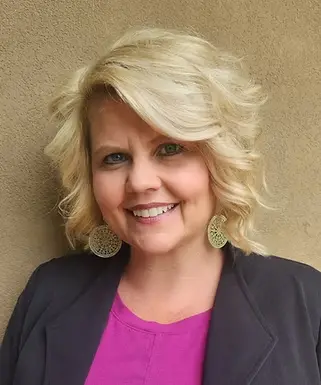
Jamie Orullian
Program Director

Kristi Heisterman
Clinical Director
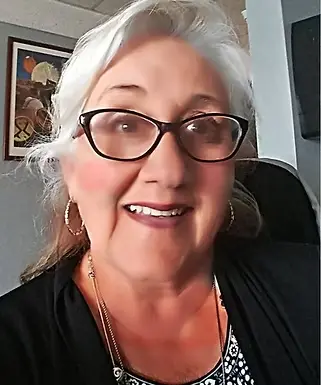
Robin Reber
Admissions Coordinator
Accreditations

The Joint Commission, formerly known as JCAHO, is a nonprofit organization that accredits rehab organizations and programs. Founded in 1951, the Joint Commision's mission is to improve the quality of patient care and demonstrating the quality of patient care.
Joint Commission Accreditation: Yes
Rehab.com regularly reviews this listing for accuracy but changes may occur between updates. For the most up-to-date information, please contact White River Academy.
Contact Information

275 West 100 South
Delta, UT 84624
Get Help Now - 385-390-3465
Sponsored Helpline
Sponsored Helpline


