






























































































They treated me like a Criminal! The first thing i was asked a nurse said: So what Jail sent you here: I ignored her question and she refused to treat me! Later on that evening i ask to have Blood Pressure checked and the said i was jumping in front of a patient, but there w ...
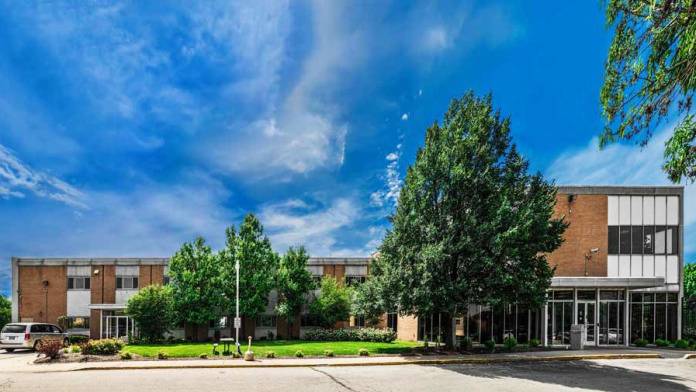
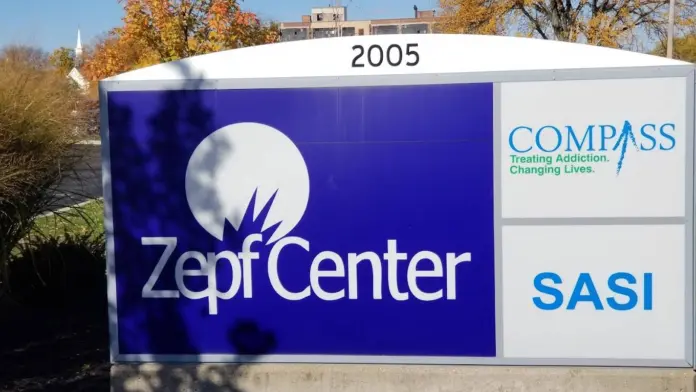
About Zepf Center – SASI
They take private insurance and Medicaid. They also take self pay. They have a sliding scale for people with low incomes.
You will have a medical and psychiatric intake assessment. They will decide what method of therapy will work best for you and what level of care you require. They generally offer various outpatient programs, such as partial hospitalization (PHP) and intensive outpatient tracks (IOP).
If you have a high level of drugs in your system, you can detox at their facility or at another center in their network. They have two different types of withdrawal management. They offer medical detox, in which the trained staff will provide you with 24 hour a day monitoring and medication if you need it.
They have a social detox option. Your detox will focus on talk therapy. You will have daily group sessions and plenty of peer support. The staff will still be there to monitor your vital signs. They will provide you with drug education classes as well.
Once you stabilize, you can begin their intensive residential treatment program that lasts up to 30 days. You will have both group and individual therapy sessions. They use several different forms of evidence-based treatment.
They offer aftercare services that will include referrals to outpatient treatment and sober living homes. They can also refer you to vocational training, housing support, and community meetings in your area.
Facility Overview
 9
9 Number of Available Beds

Rehab Score
 Our Methodology
Scoring is assigned by a proprietary system which helps surface key metrics that determine quality. The 10-point scale factors in categories such as operations, customer satisfaction, and trust metrics. Read Full Methodology

6.4 / 10
Gallery
Accepted Insurance
Other Forms of Payment
Private insurance refers to any kind of healthcare coverage that isn't from the state or federal government. This includes individual and family plans offered by an employer or purchased from the Insurance Marketplace. Every plan will have different requirements and out of pocket costs so be sure to get the full details before you start treatment.
Self-pay involves paying for treatment out of your own pocket. You can use savings or credit, get a personal loan, or receive help from family and friends to fund your treatment. If you don't have insurance or your insurance plan doesn't cover a specific program, self-pay can help ensure you still get the care you need.
Financial aid can take many forms. Centers may have grants or scholarships available to clients who meet eligibility requirements. Programs that receive SAMHSA grants may have financial aid available for those who need treatment as well. Grants and scholarships can help you pai for treatment without having to repay.
Sliding scale payments are based on a client's income and family size. The goal is to make treatment affordable to everyone. By taking these factors into account, addiction recovery care providers help ensure that your treatment does not become a financial burden to you or your family, eliminating one barrier to care.
Medicare is a federal program that provides health insurance for those 65 and older. It also serves people under 65 with chronic and disabling health challenges. To use Medicare for addiction treatment you need to find a program that accepts Medicare and is in network with your plan. Out of pocket costs and preauthorization requirements vary, so always check with your provider.
Medicaid is a state based program that helps lower-income individuals and families pay for healthcare. Medicaid covers addiction treatment so those enrolled can use their coverage to pay for rehab. When a program accepts Medicaid the client often pays very little or nothing out of their own pocket.
Addiction Treatments
Levels of Care
Non Intensive Outpatient Treatment (NIOP) has the philosophy of providing client centered treatment to individuals who could benefit from support and additional relapse prevention skills to further or maintain their recovery. NIOP has an average length of six group sessions; group sessions are provided one day per week with morning and afternoon sessions available. Services also include ongoing assessment, individual counseling, case management, and crisis intervention as needed. Additional services include drug screening and linkage to community support systems.
Residential treatment programs are those that offer housing and meals in addition to substance abuse treatment. Rehab facilities that offer residential treatment allow patients to focus solely on recovery, in an environment totally separate from their lives. Some rehab centers specialize in short-term residential treatment (a few days to a week or two), while others solely provide treatment on a long-term basis (several weeks to months). Some offer both, and tailor treatment to the patient's individual requirements.
Intensive Outpatient Treatment (IOP) has a philosophy of providing client centered treatment to individuals who have a substance abuse disorder in an outpatient setting. The goal is to for the client to gain knowledge of the recovery process, pro-social behavior, and relapse prevention skills. IOP consists of eighteen group sessions, which are provided three days per week in either the morning or the afternoon. IOP also includes ongoing assessment, individual counseling, case management, and crisis intervention as needed. Additional services include drug screening and linkage to community support systems. There is a minimum of nine hours of treatment per week required.
Rehab aftercare programs are designed to ensure clients receive continuing care while in the maintenance phase of recovery. Some clients may be in outpatient treatment, which is generally considered to be an element of drug rehab aftercare. The specific services provided in these programs are often determined by the client's case manager and care team in consultation with the client. Common services include peer coaching, career counseling, and 12 step program induction.
Residential Sub-acute Detoxification provides client centered, gender specific treatment in a safe, comfortable environment for individuals to safely detox from alcohol and opioids in order to begin the recovery process. Clients may participate in individual, group and activities-based therapy. The goal is to reduce or alleviate symptoms throughout the withdrawal process and provide linkage to appropriate recovery services.
Treatments
The goal of treatment for alcoholism is abstinence. Those with poor social support, poor motivation, or psychiatric disorders tend to relapse within a few years of treatment. For these people, success is measured by longer periods of abstinence, reduced use of alcohol, better health, and improved social functioning. Recovery and Maintenance are usually based on 12 step programs and AA meetings.
Drug rehab in Ohio provides comprehensive treatment to address the physical and psychological needs of those struggling with substance use disorders. This may involve inpatient and/or outpatient care.
Many of those suffering from addiction also suffer from mental or emotional illnesses like schizophrenia, bipolar disorder, depression, or anxiety disorders. Rehab and other substance abuse facilities treating those with a dual diagnosis or co-occurring disorder administer psychiatric treatment to address the person's mental health issue in addition to drug and alcohol rehabilitation.
A combined mental health and substance abuse rehab has the staff and resources available to handle individuals with both mental health and substance abuse issues. It can be challenging to determine where a specific symptom stems from (a mental health issue or an issue related to substance abuse), so mental health and substance abuse professionals are helpful in detangling symptoms and keeping treatment on track.
Opioid rehabs specialize in supporting those recovering from opioid addiction. They treat those suffering from addiction to illegal opioids like heroin, as well as prescription drugs like oxycodone. These centers typically combine both physical as well as mental and emotional support to help stop addiction. Physical support often includes medical detox and subsequent medical support (including medication), and mental support includes in-depth therapy to address the underlying causes of addiction.
Ohio's substance abuse treatment programs can support individuals struggling with drug and alcohol use. Typically available on an outpatient or inpatient basis, these programs employ evidence-based therapies such as cognitive-behavioral therapy (CBT), dialectical behavior therapy (DBT), and holistic approaches to provide effective addiction treatment. This comprehensive approach ensures long-term sobriety, improved mental health, and coping skills to overcome risk of relapse.
Programs
Adult rehab programs include therapies tailored to each client's specific needs, goals, and recovery progress. They are tailored to the specific challenges adult clients may face, including family and work pressures and commitments. From inpatient and residential treatment to various levels of outpatient services, there are many options available. Some facilities also help adults work through co-occurring conditions, like anxiety, that can accompany addiction.
Young adulthood can be an exciting, yet difficult, time of transition. Individuals in their late teens to mid-20s face unique stressors related to school, jobs, families, and social circles, which can lead to a rise in substance use. Rehab centers with dedicated young adult programs will include activities and amenities that cater to this age group, with an emphasis on specialized counseling, peer socialization, and ongoing aftercare.
Clinical Services
Cognitive Behavioral Therapy (CBT) is a therapy modality that focuses on the relationship between one's thoughts, feelings, and behaviors. It is used to establish and allow for healthy responses to thoughts and feelings (instead of unhealthy responses, like using drugs or alcohol). CBT has been proven effective for recovering addicts of all kinds, and is used to strengthen a patient's own self-awareness and ability to self-regulate. CBT allows individuals to monitor their own emotional state, become more adept at communicating with others, and manage stress without needing to engage in substance abuse.
As part of Intensive Group Therapy (IGT) clients attend two groups per day, lasting two hours each. They attend these groups seven days a week. Clients transitioning in our detox unit begin this program as soon as post detoxification is completed. Those in early recovery participate in this level of care. There is a minimum of thirty hours of treatment per week. Community Based Intensive Group Therapy (CIGT) is for those clients that have safe, sober housing but need more support than IOP offers. Typically a participant will attend two groups per day, five days per week with a minimum of ten hours per week.
In individual therapy, a patient meets one-on-one with a trained psychologist or counselor. Therapy is a pivotal part of effective substance abuse treatment, as it often covers root causes of addiction, including challenges faced by the patient in their social, family, and work/school life.
Therapists who apply motivational interviewing in Ohio don't try to confront clients or force advice onto them. Instead, they listen and come alongside clients to help them explore why and how they might decide to make changes for themselves.
Trauma therapy addresses traumatic incidents from a client's past that are likely affecting their present-day experience. Trauma is often one of the primary triggers and potential causes of addiction, and can stem from child sexual abuse, domestic violence, having a parent with a mental illness, losing one or both parents at a young age, teenage or adult sexual assault, or any number of other factors. The purpose of trauma therapy is to allow a patient to process trauma and move through and past it, with the help of trained and compassionate mental health professionals.
Whether a marriage or other committed relationship, an intimate partnership is one of the most important aspects of a person's life. Drug and alcohol addiction affects both members of a couple in deep and meaningful ways, as does rehab and recovery. Couples therapy and other couples-focused treatment programs are significant parts of exploring triggers of addiction, as well as learning how to build healthy patterns to support ongoing sobriety.
Research clearly demonstrates that recovery is far more successful and sustainable when loved ones like family members participate in rehab and substance abuse treatment. Genetic factors may be at play when it comes to drug and alcohol addiction, as well as mental health issues. Family dynamics often play a critical role in addiction triggers, and if properly educated, family members can be a strong source of support when it comes to rehabilitation.
When you quit smoking, your body experiences withdrawal because it's not used to the absence of nicotine. When you use nicotine replacement therapy in Ohio, you get controlled amounts of nicotine to ease these symptoms without the negative effects of the other chemicals found in cigarettes.
The main goals of dialectical behavior therapy are to teach you how to regulate your emotions, develop positive ways to cope with stress, improve your relationships, and live in the moment. This therapy lasts about six months and involves weekly individual and group sessions.
Amenities
-
 Private Setting
 -
 Yoga Studio
 -
 Private Rooms
 -
 Residential Setting
Staff & Accreditations
Staff
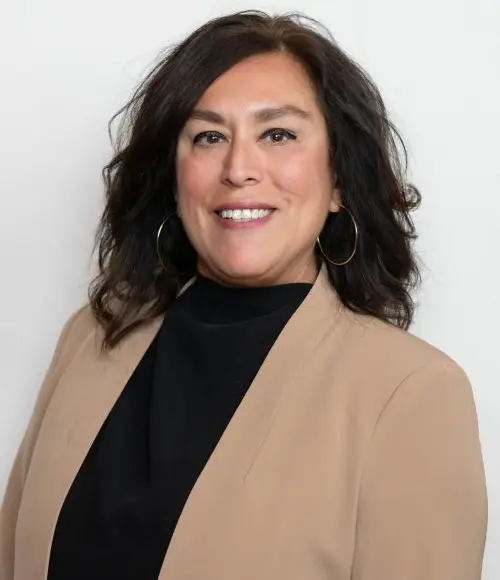
Deb Flores, LSW, MPA
CEO
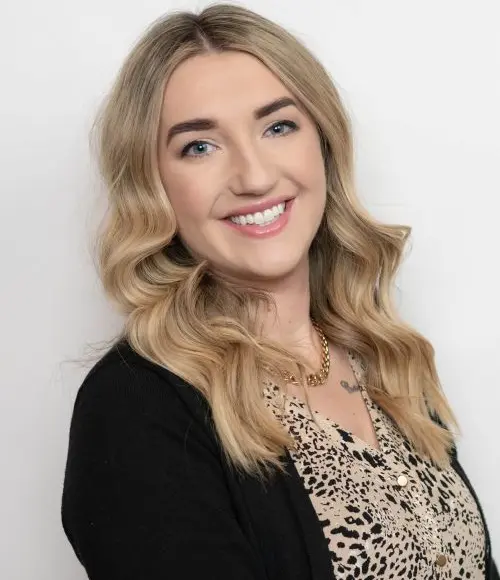
Samantha Ayer
COO
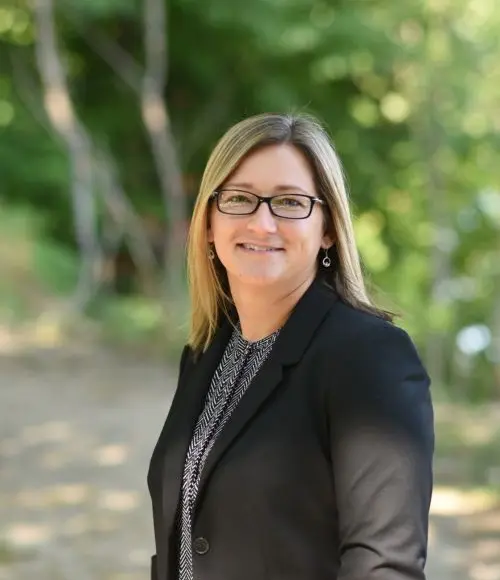
Kimberly Resendez, MBA
Chief Administrative Officer
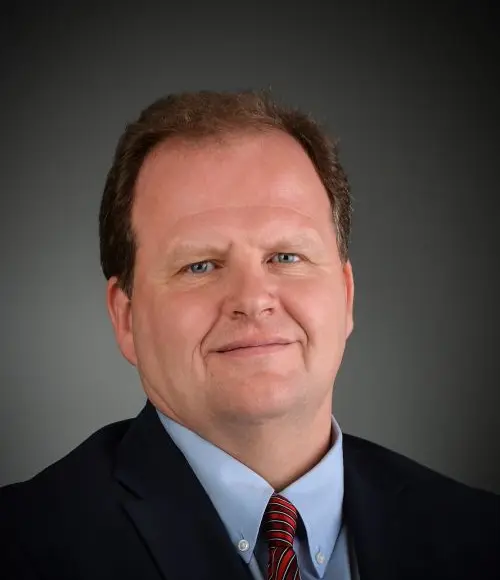
Craig Gebers, M.Ed.
Chief Recovery Officer
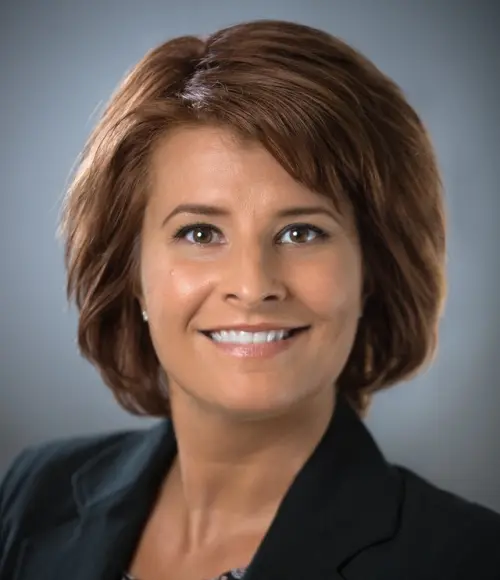
Jennifer Jancsin, PhD LPCC-S
Chief Clinical Officer
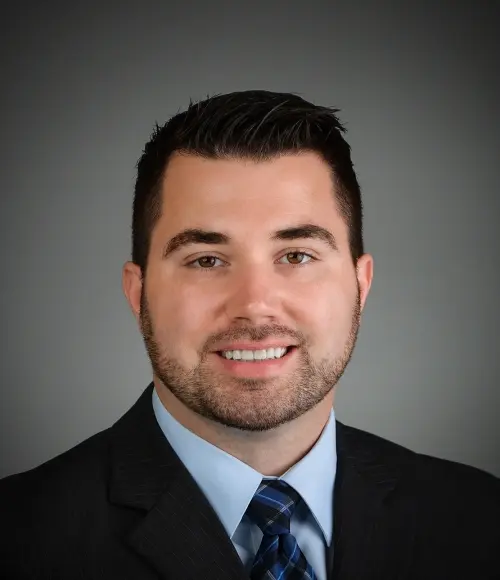
Adam Nutt
CFO
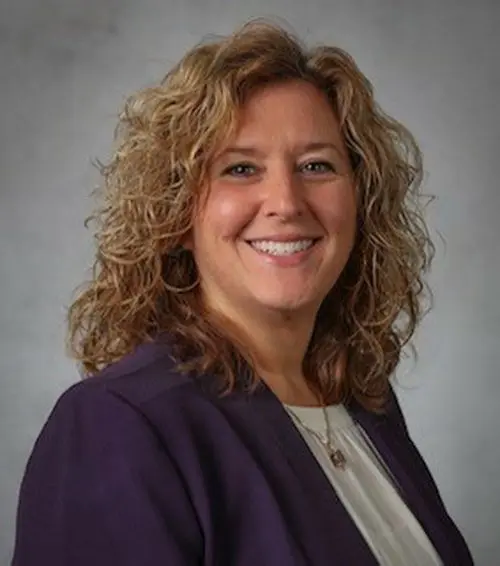
Linda Nordahl, LSW, M.Ed., CCM
Chief Integration Officer
Accreditations

The Substance Abuse and Mental Health Services Administration (SAMHSA) is a branch of the U.S. Department of Health and Human Services. Established in 1992 by congress, SAMHSA's mission is to reduce the impact of substance abuse and mental illness on American's communities.
SAMHSA Listed: Yes

The Commission on Accreditation of Rehabilitation Facilities (CARF) is a non-profit organization that specifically accredits rehab organizations. Founded in 1966, CARF's, mission is to help service providers like rehab facilities maintain high standards of care.
CARF Accreditation: Yes

The Joint Commission, formerly known as JCAHO, is a nonprofit organization that accredits rehab organizations and programs. Founded in 1951, the Joint Commision's mission is to improve the quality of patient care and demonstrating the quality of patient care.
Joint Commission Accreditation: Yes

State Licenses are permits issued by government agencies that allow rehab organizations to conduct business legally within a certain geographical area. Typically, the kind of program a rehab facility offers, along with its physical location, determines which licenses are required to operate legally.
State License: Ohio
Rehab.com regularly reviews this listing for accuracy but changes may occur between updates. For the most up-to-date information, please contact Zepf Center – SASI.
Contact Information

2005 Ashland Avenue
Toledo, OH 43620
Get Help Now - 419-365-6326
Sponsored Helpline
Sponsored Helpline



