






























































































If the person wants the recovery will be successful, otherwise the improvement will not be useful. It depends.
About AltaPointe Health Outpatient – Fairhope
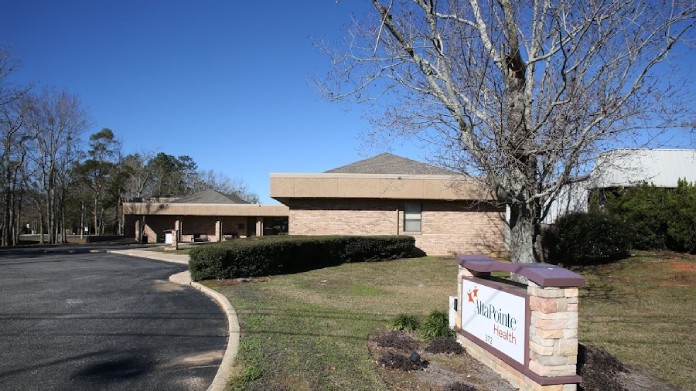
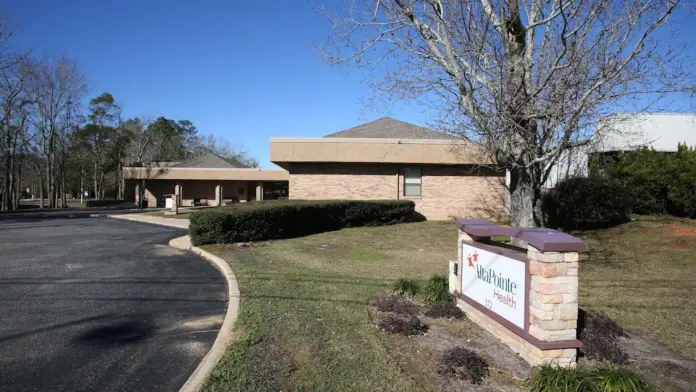
AltaPointe Health Outpatient in Fairhope, Alabama is a community based behavioral health and substance use treatment provider located on South Greeno Road.
They connect clients to counseling, medication assisted treatment, and intensive outpatient services for substance use and co-occurring mental health concerns through the greater AltaPointe network.
What addiction treatment programs are available?
AltaPointe offers outpatient substance use treatment, medication assisted treatment for opioid use disorder, and the Oasis adult intensive outpatient program which meets four times per week and is primarily group based.
Counseling and peer support, 12 step facilitation, and integrated care for co-occurring mental health disorders are also part of the approach.
Who can get help at this location?
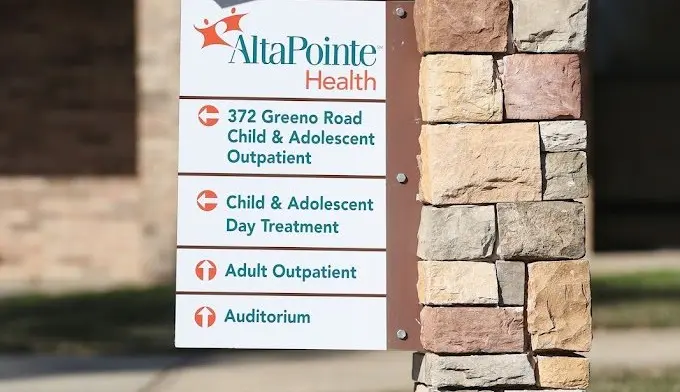
The Fairhope site serves both adults and children through outpatient behavioral health services.
AltaPointe prioritizes pregnant women with intravenous substance use disorders, women with dependent children, clients who are HIV positive, and others living with substance use disorders. They offer a women’s IOP track as well.
What about insurance and payment options?
AltaPointe accepts Medicaid, self pay, and offers a sliding fee discount program based on income and family size. Many outpatient MAT patients may qualify for free services while co-pays and deductibles are collected at the time of service.
Latest Reviews
I truly cannot say enough wonderful things about Mrs. Liz. She has been such an incredible therapist for my son, Oliver, and has helped him through so much. She has a gift for making him feel safe, comfortable, heard, and understood, and watching the trust he has developed with her means more to me than I can put into words.
But what makes Mrs. Liz especially incredible is that her support doesn’t stop with Oliver. She has helped me tremendously as his mom, too. She doesn’t just tell me what we’re working on, she gives me actual words and phrases to use, ideas to try, different ways to approach situations, and practical tools that I can take home and use in our everyday lives. She helps me understand what Oliver may be feeling or needing and gives me ways to better support him through it. She is also always full of encouragement, which sometimes is exactly what a parent needs to hear.
The things she has taught both of us have carried far beyond the therapy room. We’ve been able to take what we learn from her and incorporate it into our life at home, and it has genuinely made such a difference for our family. I am incredibly thankful for her knowledge, patience, encouragement, and the way she cares for not only my child, but for me as his parent as well.
And Mrs. Phyllis and Mrs. Gigi at check-in and check-out are just as wonderful. Their smiles and positive attitudes are there every single time we walk through the door. They always seem genuinely happy to see Oliver, and he is always happy and comfortable going there. That kind of warmth and consistency means so much, especially when it’s a place your child visits regularly.
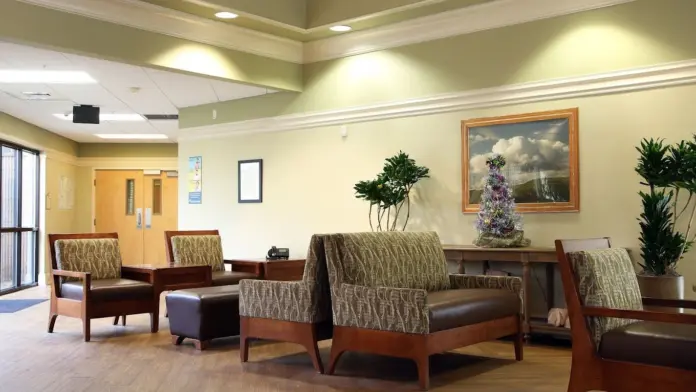
The facility is always clean, neat, welcoming, and comfortable, but it’s truly the people who make this place so special. When you’re trusting someone to help your child navigate big feelings, challenges, and important stages of their development, having a team that truly cares about your child and supports you as a parent is invaluable.
Mrs. Liz and this entire team have made such a positive impact on our lives. I can honestly say that the support, tools, encouragement, and care we’ve received here have been transformative for our family. I am beyond thankful for all of them and for the difference they have made in both Oliver’s life and mine. We absolutely love them and could not recommend them more highly!
Thank you so much for your thoughtful review! We're delighted you had a positive experience with us. Your feedback means a lot, and we'll be sure to share your kind words with our team. We hope your review helps others feel confident in reaching out, too.
Kindly,
April
Response from the owner1 week ago
Mary, Thank you so much for your thoughtful review! We're delighted you had a positive experience with us. Your feedback means a lot, and we'll be sure to share your kind words with our team. We hope your review helps others feel confident in reaching out, too.
Kindly,
April
I have been going here since I was 20 and vouching for my autism diagnosis. They have helped with managing my anxiety and depression that stem from the final diagnosis, as well as my ADHD. My chart ended up getting messed up sometime late last year and I didn’t have insurance, either. I was able to be seen in a timely manner and redo my intake. Fawn at the Fairhope office was such a sweetheart and helped me redo everything, and thankfully, some of my last chart had been saved and recovered. She was with me all the way in explaining the issue and helped me with the updated process. Much love to the Fairhope staff and excited to start my mental health journey with a new outlook and a clean slate.
Thank you for your kind words and for trusting us with your care. We’re glad our Fairhope team could help make things easier for you. We’ll share your feedback with them and wish you all the best moving forward.
Kindly,
April
Response from the owner1 week ago
Jordan, Thank you for your kind words and for trusting us with your care. We’re glad our Fairhope team could help make things easier for you. We’ll share your feedback with them and wish you all the best moving forward.
Kindly,
April
My counselor Mary is always timely and professional. Catie is my doc and I have yet to see her on time. Today she was afull hr behind normally its 45 mins. As I am a professional employed woman, I would appreciate better timely appointments. I have not encountered this problem in all the over 10 years I've been a patient at this fairhope adult outpatient facility.
Kindly,
April
Response from the owner1 week ago
Thank you for your feedback, Barbara. We apologize for the delays you’ve experienced and understand your frustration. Your comments have been shared with our team so we can address this issue.Kindly,
April

Rehab Score
 Our Methodology
Scoring is assigned by a proprietary system which helps surface key metrics that determine quality. The 10-point scale factors in categories such as operations, customer satisfaction, and trust metrics. Read Full Methodology

6.8 / 10
Gallery

Other Forms of Payment
Private insurance refers to any kind of healthcare coverage that isn't from the state or federal government. This includes individual and family plans offered by an employer or purchased from the Insurance Marketplace. Every plan will have different requirements and out of pocket costs so be sure to get the full details before you start treatment.
Self-pay involves paying for treatment out of your own pocket. You can use savings or credit, get a personal loan, or receive help from family and friends to fund your treatment. If you don't have insurance or your insurance plan doesn't cover a specific program, self-pay can help ensure you still get the care you need.
Financial aid can take many forms. Centers may have grants or scholarships available to clients who meet eligibility requirements. Programs that receive SAMHSA grants may have financial aid available for those who need treatment as well. Grants and scholarships can help you pai for treatment without having to repay.
Sliding scale payments are based on a client's income and family size. The goal is to make treatment affordable to everyone. By taking these factors into account, addiction recovery care providers help ensure that your treatment does not become a financial burden to you or your family, eliminating one barrier to care.
Medicaid is a state based program that helps lower-income individuals and families pay for healthcare. Medicaid covers addiction treatment so those enrolled can use their coverage to pay for rehab. When a program accepts Medicaid the client often pays very little or nothing out of their own pocket.
Addiction Treatments
Levels of Care
Outpatient Programs (OP) are for those seeking mental rehab or drug rehab, but who also stay at home every night. The main difference between outpatient treatment (OP) and intensive outpatient treatment (IOP) lies in the amount of hours the patient spends at the facility. Most of the time an outpatient program is designed for someone who has completed an inpatient stay and is looking to continue their growth in recovery. Outpatient is not meant to be the starting point, it is commonly referred to as aftercare.
Intensive Outpatient Programs (IOP) are for those who want or need a very structured treatment program but who also wish to live at home and continue with certain responsibilities (such as work or school). IOP substance abuse treatment programs vary in duration and intensity, and certain outpatient rehab centers will offer individualized treatment programs.
12 step programs are often considered the standard model for addiction recovery. They're based on the use of spiritual principles to support a gradual psychological, emotional, and spiritual shift to remediate the root causes of one's addiction. Treatment depends primarily on per coaching (sponsorship) and group recovery meetings. Though rooted in spiritual principles, participants do not need to be religious and sessions are non-denominational. Specialized groups, including meetings for seniors, teens, and family members, are often available.
A drug intervention in Alabama is an organized attempt to convince someone they have a substance use issue and that they need treatment. During an intervention, loved ones share their concerns about the person's substance use and encourage them to get help. A professional can provide guidance and support for this effort through intervention services, to help participants avoid missteps and increase the success of the intervention.
Medically assisted detox is often the first step of addiction treatment. At the medical detox level of care, you are weaning your body off drugs and/or alcohol under the care of licensed medical professionals who constantly monitor your health and treat any potential withdrawal symptoms, sometimes with the aid of medication (like Suboxone or Vivitrol).
Treatments
The goal of treatment for alcoholism is abstinence. Those with poor social support, poor motivation, or psychiatric disorders tend to relapse within a few years of treatment. For these people, success is measured by longer periods of abstinence, reduced use of alcohol, better health, and improved social functioning. Recovery and Maintenance are usually based on 12 step programs and AA meetings.
Drug rehab in Alabama provides medical or psychotherapeutic treatment for drug dependency. Methods of treatment often include a combination of medication, counseling, and recreational therapies.
Many of those suffering from addiction also suffer from mental or emotional illnesses like schizophrenia, bipolar disorder, depression, or anxiety disorders. Rehab and other substance abuse facilities treating those with a dual diagnosis or co-occurring disorder administer psychiatric treatment to address the person's mental health issue in addition to drug and alcohol rehabilitation.
Opioid rehabs specialize in supporting those recovering from opioid addiction. They treat those suffering from addiction to illegal opioids like heroin, as well as prescription drugs like oxycodone. These centers typically combine both physical as well as mental and emotional support to help stop addiction. Physical support often includes medical detox and subsequent medical support (including medication), and mental support includes in-depth therapy to address the underlying causes of addiction.
Substance rehabs focus on helping individuals recover from substance abuse, including alcohol and drug addiction (both illegal and prescription drugs). They often include the opportunity to engage in both individual as well as group therapy.
Programs
Adult rehab programs include therapies tailored to each client's specific needs, goals, and recovery progress. They are tailored to the specific challenges adult clients may face, including family and work pressures and commitments. From inpatient and residential treatment to various levels of outpatient services, there are many options available. Some facilities also help adults work through co-occurring conditions, like anxiety, that can accompany addiction.
Young adulthood can be an exciting, yet difficult, time of transition. Individuals in their late teens to mid-20s face unique stressors related to school, jobs, families, and social circles, which can lead to a rise in substance use. Rehab centers with dedicated young adult programs will include activities and amenities that cater to this age group, with an emphasis on specialized counseling, peer socialization, and ongoing aftercare.
Recovery is most successful when clients feel accepted and validated by their peers and treatment providers. Facilities that offer LGBTQ-inclusive programming are committed to creating a safe space where everyone can grow and recover without fear of judgment or discrimination. They will have dedicated policies in place to create a safe and supportive environment that fosters free expression.
Serving in the military is both mentally and physically challenging, and can result in trauma that persists even after combat ends. Military programs are tailored to the specific and often complex needs of active duty personnel, veterans, and military families. Clients often access these programs through the U.S. Department of Veterans Affairs (VA).
Clinical Services
The goal of cognitive behavioral therapy in Alabama is to lessen the symptoms of certain mental health conditions, including substance abuse and co occurring mental health disorders. It is known as one of the most effective means of treatment for these conditions.
Dialectical behavior therapy (DBT) is a form of talk therapy designed to treat individuals who are experiencing intense emotions. It is often used in Alabama for the treatment of borderline personality disorder, substance use disorder, and other mental health conditions.
Group therapy is any therapeutic work that happens in a group (not one-on-one). There are a number of different group therapy modalities, including support groups, experiential therapy, psycho-education, and more. Group therapy involves treatment as well as processing interaction between group members.
Individual therapy for drug and alcohol addiction involves one on one sessions with a therapist to address the psychological and behavioral aspects of addiction. Your therapist may use Cognitive Behavioral Therapy, Dialectical Behavior Therapy, or Motivational Interviewing to help you develop coping strategies and work towards long term sobriety.
Rehab treatment in Alabama often involves motivational interviewing (MI). This is an evidence based approach that helps you discover your own interest in change. You'll decide for yourself what next steps you're willing to commit to in order to reach your goals.
Trauma therapy addresses traumatic incidents from a client's past that are likely affecting their present-day experience. Trauma is often one of the primary triggers and potential causes of addiction, and can stem from child sexual abuse, domestic violence, having a parent with a mental illness, losing one or both parents at a young age, teenage or adult sexual assault, or any number of other factors. The purpose of trauma therapy is to allow a patient to process trauma and move through and past it, with the help of trained and compassionate mental health professionals.
If you're experiencing relationship challenges, couples therapy in Alabama can help you work through those difficulties. You and your partner will meet with a professional therapist to work on current issues and strengthen your relationship.
Research clearly demonstrates that recovery is far more successful and sustainable when loved ones like family members participate in rehab and substance abuse treatment. Genetic factors may be at play when it comes to drug and alcohol addiction, as well as mental health issues. Family dynamics often play a critical role in addiction triggers, and if properly educated, family members can be a strong source of support when it comes to rehabilitation.
Life skills are an essential part of addiction recovery. These skills help you succeed in day to day life and live independently. They fall into three main categories: interpersonal skills, thinking skills, and self awareness. Treatment involves developing these skills for a successful recovery.
Staff & Accreditations
Staff

Tuerk Schlesinger, MBA
CEO
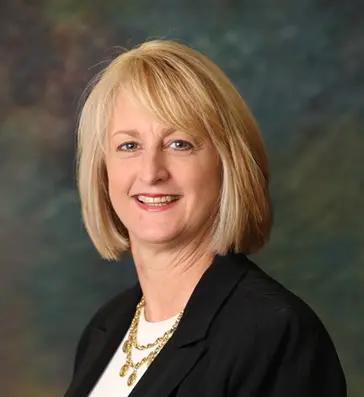
Olivia Nettles, LPC, NCC
Chief Clinical Officer, Child & Primary Care Services
Megan Griggs, MS
Chief Clinical Officer, Adult & Crisis Services
Jarrett Crum, MSW
Chief Hospital Officer
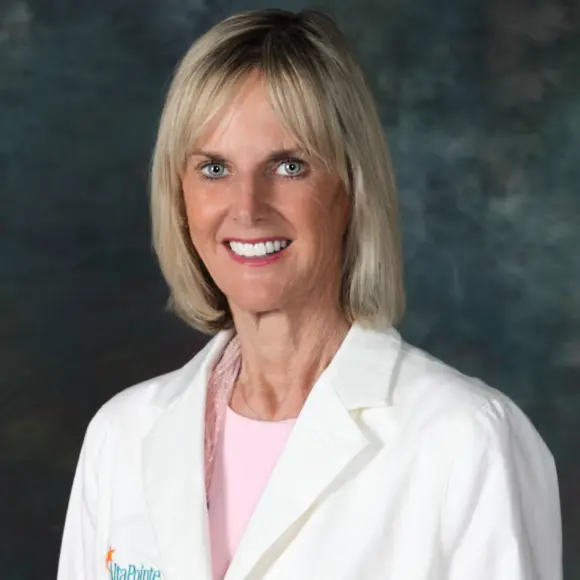
Sandra Parker, MD
CMO
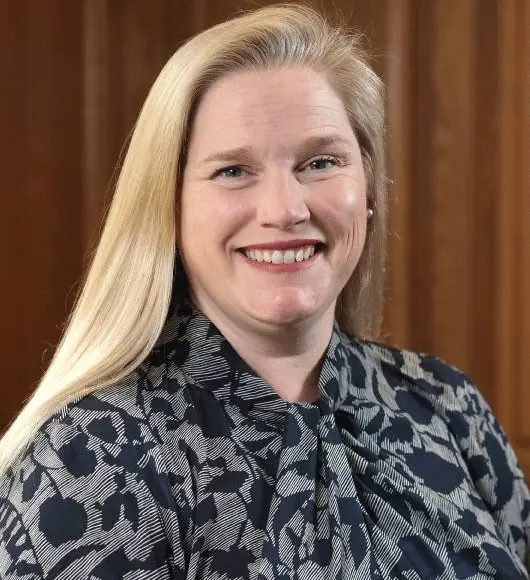
Alicia Donoghue, SPHR
Chief of Staff
Steve Dolan
VP of Administrative Services
Traci Jones
CFO
Accreditations

State Licenses are permits issued by government agencies that allow rehab organizations to conduct business legally within a certain geographical area. Typically, the kind of program a rehab facility offers, along with its physical location, determines which licenses are required to operate legally.
State License: Alabama

The Joint Commission, formerly known as JCAHO, is a nonprofit organization that accredits rehab organizations and programs. Founded in 1951, the Joint Commision's mission is to improve the quality of patient care and demonstrating the quality of patient care.
Joint Commission Accreditation: Yes
Accreditation Number: 1389
Rehab.com regularly reviews this listing for accuracy but changes may occur between updates. For the most up-to-date information, please contact AltaPointe Health Outpatient – Fairhope.
Contact Information

372 South Greeno Road
Fairhope, AL 36532
Get Help Now - 334-316-9774
Sponsored Helpline
Sponsored Helpline

