































































































I had a very good experience here, regarding the quality of the services. However, some of the staff tends to be condescending and rude, when they should be more polite doesn't matter who you are.
About Banner Casa Grande Medical Center
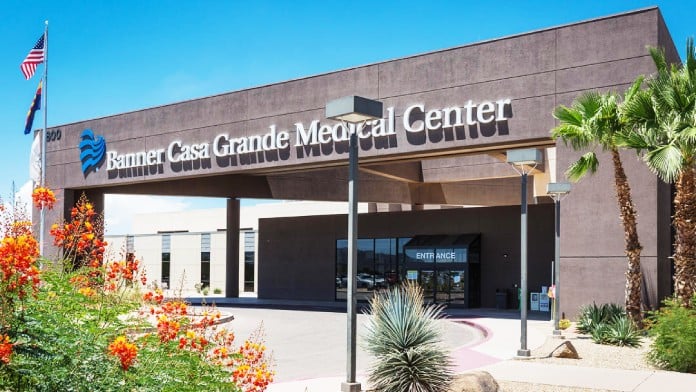
Banner Casa Grande Medical Center is located in a commercial district on the southeast side of Phoenix, Arizona. They were founded in 1984 as a full-service nonprofit hospital dedicated to your comfort and recovery. They believe that your mental and emotional health is as crucial as your physical health, taking a comprehensive approach to care for adolescents and adults when it comes to addiction recovery and mental health.
Specialized Outpatient Services for Addiction and Mental Health Conditions
Their behavioral health services include telehealth and specialized outpatient care for substance abuse and addiction as well as co-occurring mental health conditions like depression, eating disorders, psychosis, and stress disorders, including post-traumatic stress disorder or PTSD.
During your first appointment, you receive a diagnosis following a comprehensive evaluation. This forms the basis of your treatment plan helping you to meet your goals. Your first step in recovery begins by admitting your problem and undergoing an evaluation to determine the type and extent of your addiction.
Chemical Dependency Treated as a Medical Condition
This treatment center provides resources, programs and treatment options to address drug and alcohol addiction. Some of the more commonly treated chemical dependencies include alcohol, cocaine, methamphetamines, opiates, prescription medications and marijuana.
Substance use disorder is a medical condition and this hospital treats it with evidence based therapies, detoxification services and medication assisted treatment. They address your symptoms and the causes of chemical dependency, including psychiatric issues, environmental factors and personality traits.
They work with most major insurance companies in Arizona and will verify your insurance coverage before beginning treatment. They offer financial assistance programs when you are uninsured or underinsured, or if you have difficulty paying your bill.
Facility Overview
 141
141 Number of Available Beds
Latest Reviews
BANNER HOSPITAL
VISIT
8.26.26
Viral infection
5 hours to get treated
Good air conditioning
No covered parking at emergency room.
all doctors get covered parking
Limited parking at emergency room, allways jammed, too small of parking, 2 helicopters got plenty of room to land reason why no parking in back. $$$ & STATUS over service to patients? PATIENTS PAY YOUR SALARIES. PERIOD. NOBODY ELSE. PARKING? NONE AT EMERGENCY AREA. LOADED. NO SPACES. BAD DESIGN.
Great snack bar in hospital.
Staff is great, friendly courteous.
For Emergecies Faster Service EXCEPTIONAL HOSPITAL IN ELOY ON I-10 HAS PARKING, NO WAITING, NO HELICOPTERS, IN & OUT IN AN HOUR!!!! Fast service, cold air conditioning
GREAT STAFF
GREAT DOCTORS
YOU WILL SAVE 4 HOURS OVER BANNER IN A WAITING LINE. A NICE DRIVE & FRIENDLY STAFF. PATIENTS COME 1ST.
10 STARS.
Response from the owner1 week ago
It’s always great to hear positive feedback. Thank you for sharing!
I had an amazing experience at Banner Health in Casa Grande. My nurse's name was Princess and she was very attentive/informative during my visit.
Response from the owner1 week ago
It is our mission to make health care easier so that life can be better. We always appreciate hearing that we’ve exceeded expectations.
I was a patient of Dr. Patel Urologist I was scheduled for surgery 7/24/26. From the time I checked in with Joy at the express check in Joy was efficient and very nice.
Next I was escorted to the waiting room for surgery be a female volunteer and I apologize for not getting her name, but she was s helpful and friendly.
My pre-op surgery team were so nice, compassionate and friendly my nurse team was Norma, Kerry, and Annessa forgive me if I misspell your names. The nurse team took very good care of me made me comfortable and put me at ease.
My anesthesiologist team consisted of Stephen and Jordan they explained in detail my options of anesthesia that was available to me. These 2 gentleman were so kind & friendly and knowledgeable. I so appreciate them. Thank you to all these team members I am so appreciative and thankful for your care you gave to me L.Rodriguez.
My Post-Op nurse I remember her as my humming bird nurse. She was amazing and went the extra mile to give me care and made me comfortable.
This brings me to my Dr. Patel, he is amazing and so knowledgeable. I am so thankful I picked him as my Dr.
Than you Banner in Casa Grande you have an INCREDIBLE team!
Response from the owner1 week ago
It is our mission to make health care easier so that life can be better. We always appreciate hearing that we’ve exceeded expectations. 
Rehab Score
 Our Methodology
Scoring is assigned by a proprietary system which helps surface key metrics that determine quality. The 10-point scale factors in categories such as operations, customer satisfaction, and trust metrics. Read Full Methodology

7.2 / 10
Gallery
Accepted Insurance
Other Forms of Payment
Private insurance refers to any kind of healthcare coverage that isn't from the state or federal government. This includes individual and family plans offered by an employer or purchased from the Insurance Marketplace. Every plan will have different requirements and out of pocket costs so be sure to get the full details before you start treatment.
Self-pay involves paying for treatment out of your own pocket. You can use savings or credit, get a personal loan, or receive help from family and friends to fund your treatment. If you don't have insurance or your insurance plan doesn't cover a specific program, self-pay can help ensure you still get the care you need.
Financial aid can take many forms. Centers may have grants or scholarships available to clients who meet eligibility requirements. Programs that receive SAMHSA grants may have financial aid available for those who need treatment as well. Grants and scholarships can help you pai for treatment without having to repay.
Medicare is a federal program that provides health insurance for those 65 and older. It also serves people under 65 with chronic and disabling health challenges. To use Medicare for addiction treatment you need to find a program that accepts Medicare and is in network with your plan. Out of pocket costs and preauthorization requirements vary, so always check with your provider.
Medicaid is a state based program that helps lower-income individuals and families pay for healthcare. Medicaid covers addiction treatment so those enrolled can use their coverage to pay for rehab. When a program accepts Medicaid the client often pays very little or nothing out of their own pocket.
Military members, veterans, and eligible dependents have access to specific insurance programs that help them get the care they need. TRICARE and VA insurance can help you access low cost or no cost addiction and mental health treatment. Programs that accept military insurance often have targeted treatment focused on the unique challenges military members, veterans, and their families face.
Addiction Treatments
Levels of Care
Outpatient Programs (OP) are for those seeking mental rehab or drug rehab, but who also stay at home every night. The main difference between outpatient treatment (OP) and intensive outpatient treatment (IOP) lies in the amount of hours the patient spends at the facility. Most of the time an outpatient program is designed for someone who has completed an inpatient stay and is looking to continue their growth in recovery. Outpatient is not meant to be the starting point, it is commonly referred to as aftercare.
Residential treatment programs are those that offer housing and meals in addition to substance abuse treatment. Rehab facilities that offer residential treatment allow patients to focus solely on recovery, in an environment totally separate from their lives. Some rehab centers specialize in short-term residential treatment (a few days to a week or two), while others solely provide treatment on a long-term basis (several weeks to months). Some offer both, and tailor treatment to the patient's individual requirements.
Intensive Outpatient Programs (IOP) are for those who want or need a very structured treatment program but who also wish to live at home and continue with certain responsibilities (such as work or school). IOP substance abuse treatment programs vary in duration and intensity, and certain outpatient rehab centers will offer individualized treatment programs.
12-step programs are addiction recovery models based on Alcoholics Anonymous (AA). A number of substance abuse programs (including some drug and alcohol rehab centers) use the 12 steps as a basis for treatment. Beginning steps involve admitting powerlessness over the addiction and creating a spiritual basis for recovery. Middle steps including making direct amends to those who've been hurt by the addiction, and the final step is to assist others in addiction recovery in the same way. 12-Step offshoots including Narcotics Anonymous (NA), Cocaine Anonymous (CA), Dual Recovery Anonymous (DRA), Sex and Love Addicts Anonymous (SLAA) and Gamblers Anonymous (GA).
At certain points in the recovery process, it's important to have support available 24/7. 24-hour clinical care offers a safe environment in which to recover from drug or alcohol addiction in peace, knowing medical detox and other treatment will happen with professionals on hand.
Drug and alcohol addiction often takes a heavy toll on one's body. Over time, a physical dependence can develop, meaning the body physiologically needs the substance to function. Detox is the process of removing drugs and/or alcohol from the body, a process that can be lethal if mismanaged. Medical detox is done by licensed medical professionals who monitor vital signs and keep you safe, healthy, and as comfortable as possible as you go through detox and withdrawal.
Treatments
Mental health rehabs focus on helping individuals recover from mental illnesses like bipolar disorder, clinical depression, anxiety disorders, schizophrenia, and more. Mental health professionals at these facilities are trained to understand and treat mental health issues, both in individual and group settings.
Programs
Adult rehab programs include therapies tailored to each client's specific needs, goals, and recovery progress. They are tailored to the specific challenges adult clients may face, including family and work pressures and commitments. From inpatient and residential treatment to various levels of outpatient services, there are many options available. Some facilities also help adults work through co-occurring conditions, like anxiety, that can accompany addiction.
Young adulthood can be an exciting, yet difficult, time of transition. Individuals in their late teens to mid-20s face unique stressors related to school, jobs, families, and social circles, which can lead to a rise in substance use. Rehab centers with dedicated young adult programs will include activities and amenities that cater to this age group, with an emphasis on specialized counseling, peer socialization, and ongoing aftercare.
Serving in the military is both mentally and physically challenging, and can result in trauma that persists even after combat ends. Military programs are tailored to the specific and often complex needs of active duty personnel, veterans, and military families. Clients often access these programs through the U.S. Department of Veterans Affairs (VA).
Clinical Services
Cognitive Behavioral Therapy (CBT) is a therapy modality that focuses on the relationship between one's thoughts, feelings, and behaviors. It is used to establish and allow for healthy responses to thoughts and feelings (instead of unhealthy responses, like using drugs or alcohol). CBT has been proven effective for recovering addicts of all kinds, and is used to strengthen a patient's own self-awareness and ability to self-regulate. CBT allows individuals to monitor their own emotional state, become more adept at communicating with others, and manage stress without needing to engage in substance abuse.
Dialectical Behavior Therapy (DBT) is a modified form of Cognitive Behavioral Therapy (CBT), a treatment designed to help people understand and ultimately affect the relationship between their thoughts, feelings, and behaviors. DBT is often used for individuals who struggle with self-harm behaviors, such as self-mutilation (cutting) and suicidal thoughts, urges, or attempts. It has been proven clinically effective for those who struggle with out-of-control emotions and mental health illnesses like Borderline Personality Disorder.
Group therapy is any therapeutic work that happens in a group (not one-on-one). There are a number of different group therapy modalities, including support groups, experiential therapy, psycho-education, and more. Group therapy involves treatment as well as processing interaction between group members.
In individual therapy, a patient meets one-on-one with a trained psychologist or counselor. Therapy is a pivotal part of effective substance abuse treatment, as it often covers root causes of addiction, including challenges faced by the patient in their social, family, and work/school life.
Motivational Interviewing (MI) is a clinical approach to helping people with substance abuse issues and other conditions shift behavior in positive ways. It is more goal-oriented than traditional psychotherapy, as MI counselors directly attempt to get clients to consider making behavioral change (rather than wait for them to come to conclusions themselves). Its primary purpose is to resolve ambivalence and help clients become able to make healthy choices freely.
Trauma therapy addresses traumatic incidents from a client's past that are likely affecting their present-day experience. Trauma is often one of the primary triggers and potential causes of addiction, and can stem from child sexual abuse, domestic violence, having a parent with a mental illness, losing one or both parents at a young age, teenage or adult sexual assault, or any number of other factors. The purpose of trauma therapy is to allow a patient to process trauma and move through and past it, with the help of trained and compassionate mental health professionals.
Research clearly demonstrates that recovery is far more successful and sustainable when loved ones like family members participate in rehab and substance abuse treatment. Genetic factors may be at play when it comes to drug and alcohol addiction, as well as mental health issues. Family dynamics often play a critical role in addiction triggers, and if properly educated, family members can be a strong source of support when it comes to rehabilitation.
Developing life skills is an important piece of addiction recovery treatment. These skills help you succeed in day to day tasks and live a healthy, independent life. They include communication, critical thinking, problem solving, self control, and resilience.
Nutrition therapy, aka medical nutrition therapy (MNT), is a way of treating physical, emotional, and medical conditions through diet. Specific dietary plans are designed by professional nutritionists or registered dietitians, and patients follow them in order to positively affect their physical and mental health.
Amenities
-
 Residential Setting
 -
 Private Rooms
Staff & Accreditations
Staff
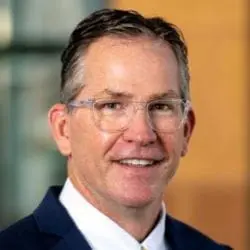
John Scherpf
Chief Executive Officer at Banner Casa Grande Medical Center
Accreditations

The Joint Commission, formerly known as JCAHO, is a nonprofit organization that accredits rehab organizations and programs. Founded in 1951, the Joint Commision's mission is to improve the quality of patient care and demonstrating the quality of patient care.
Joint Commission Accreditation: Yes
Accreditation Number: 588333

State Licenses are permits issued by government agencies that allow rehab organizations to conduct business legally within a certain geographical area. Typically, the kind of program a rehab facility offers, along with its physical location, determines which licenses are required to operate legally.
State License: Arizona
License Number: H6592
Rehab.com regularly reviews this listing for accuracy but changes may occur between updates. For the most up-to-date information, please contact Banner Casa Grande Medical Center.
Contact Information

1800 East Florence Boulevard
Casa Grande, AZ 85122
Get Help Now - 602-562-2284
Sponsored Helpline
Sponsored Helpline



