





























































































About BNI Treatment Centers
The inpatient dual diagnosis program provides treatment for teens aged 12 through 17. Treatment consists of medical stabilization, and individual, group, and family therapy. Treatment methods include academic support, water sports, yoga, surf therapy, mindfulness, art and music therapy, and equine therapy. On-site tutors and computer stations are provided to ensure teens do not fall behind on schoolwork.
The partial hospitalization program (PHP) provides intensive daytime treatment that helps adolescents learn emotional regulation, stress reduction techniques, and new coping skills. PHP treatment takes place five days per week, with 30 to 36 hours of programming. Participants get one family session or parent coaching session per week, two individual therapy sessions per week, and weekly meetings with a psychiatrist.
The intensive outpatient program (IOP) requires engagement in outpatient programming three to five days per week for three hours per day or six to 15 hours per week. IOP sessions are offered in the afternoons to accommodate school schedules.
Latest Reviews



Rehab Score
 Our Methodology


Gallery
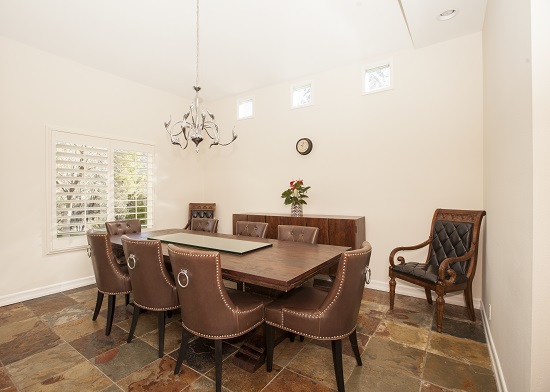

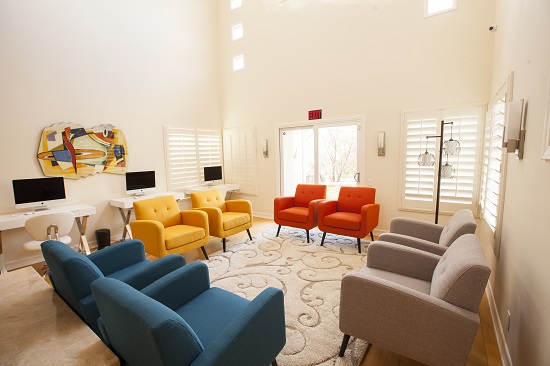


Other Forms of Payment
Private insurance refers to any kind of healthcare coverage that isn't from the state or federal government. This includes individual and family plans offered by an employer or purchased from the Insurance Marketplace. Every plan will have different requirements and out of pocket costs so be sure to get the full details before you start treatment.
Self-pay involves paying for treatment out of your own pocket. You can use savings or credit, get a personal loan, or receive help from family and friends to fund your treatment. If you don't have insurance or your insurance plan doesn't cover a specific program, self-pay can help ensure you still get the care you need.
Addiction Treatments
Levels of Care
Residential treatment programs are those that offer housing and meals in addition to substance abuse treatment. Rehab facilities that offer residential treatment allow patients to focus solely on recovery, in an environment totally separate from their lives. Some rehab centers specialize in short-term residential treatment (a few days to a week or two), while others solely provide treatment on a long-term basis (several weeks to months). Some offer both, and tailor treatment to the patient's individual requirements.
Rehab aftercare programs offer clients in addiction recovery a robust continuum of care after clients have completed active treatment. These services address recovery as a life-long process and are designed to evolve with clients' changing needs. Clients may partner with their case managers and/or addiction recovery team to identify the rehab aftercare services that are right for them. They may receive career counseling, housing assistance, peer coaching, 12 step program induction, among many other services.
Participants engaged in 12 step programs receive intensive peer coaching (sponsorship) and community support. Spiritual development as a means of achieving psychological and emotional healing and growth is the cornerstone of 12 step recovery, but religious affiliations are not required. Meetings are free, anonymous, and open to the public, though specialized formats are available, including groups for seniors, teens, and family members. Evening, night, and day meetings are conducted year-round in most communities.
When an individual is in denial about their substance use disorder, their loved ones may organize a drug intervention in California. This effort involves gently but assertively confronting the individual about their substance use and sharing how it has affected those who care about them. A professional interventionist may also attend this gathering. Their expertise with intervention services can prove helpful in guiding the conversation to a positive result.
During the first phase of recovery – detox – it is crucial to have 24-hour clinical care in California. This care provides constant monitoring in order to ensure your safely and comfort as you progress through the withdrawal process for drug or alcohol addiction. Licensed professionals prescribe medications to treat withdrawal symptoms and provide frequent monitoring to ensure your safely as addictive toxins leave your system.
Drug and alcohol addiction often takes a heavy toll on one's body. Over time, a physical dependence can develop, meaning the body physiologically needs the substance to function. Detox is the process of removing drugs and/or alcohol from the body, a process that can be lethal if mismanaged. Medical detox is done by licensed medical professionals who monitor vital signs and keep you safe, healthy, and as comfortable as possible as you go through detox and withdrawal. The length of stay at the detoxification program is determined according to the specific needs of the patient.
Treatments
Many of those suffering from addiction also suffer from mental or emotional illnesses like schizophrenia, bipolar disorder, depression, or anxiety disorders. Rehab and other substance abuse facilities treating those with a dual diagnosis or co-occurring disorder administer psychiatric treatment to address the person's mental health issue in addition to drug and alcohol rehabilitation.
Mental health rehabs focus on helping individuals recover from mental illnesses like bipolar disorder, clinical depression, anxiety disorders, schizophrenia, and more. Mental health professionals at these facilities are trained to understand and treat mental health issues, both in individual and group settings.
Substance rehabs focus on helping individuals recover from substance abuse, including alcohol and drug addiction (both illegal and prescription drugs). They often include the opportunity to engage in both individual as well as group therapy.
Programs
Recovery is most successful when clients feel accepted and validated by their peers and treatment providers. Facilities that offer LGBTQ-inclusive programming are committed to creating a safe space where everyone can grow and recover without fear of judgment or discrimination. They will have dedicated policies in place to create a safe and supportive environment that fosters free expression.
Clinical Services
Cognitive behavioral therapy in California is a method that therapists often use for the effective treatment of substance use disorders. It is based on the principle that substance abuse stems from unhelpful ways of thinking and patterns of behavior, which can be changed by helping the individual learn better ways of coping.
 Equine Therapy
During group therapy, men and women learn to express their emotions openly in a non judgmental setting. This helps you process your feelings and reduces feelings of social isolation that are often associated with addiction.
In individual therapy, a patient meets one-on-one with a trained psychologist or counselor. Therapy is a pivotal part of effective substance abuse treatment, as it often covers root causes of addiction, including challenges faced by the patient in their social, family, and work/school life.
For clients who are struggling with ambivalence toward change, motivational interviewing in California can help strengthen their commitment to change. Using a conversational method, the therapist helps you explore your motivations and empowers you to make the changes you desire.
The goal of couples therapy in California is to strengthen the couple's relationship. The therapist may take one or more approaches to counseling which may include the Gottman method, emotionally focused therapy, behavioral therapy, and psychodynamic couple's therapy.
Family therapy offers a platform for members to have an open dialogue about the challenges that addiction has placed on the family unit. Through guided sessions, therapists can help families develop healthy communication skills and address unresolved issues. By working together toward a common goal, they help to support their loved one's sobriety.
The goal of creative arts therapy in California is to encourage growth and transformation. It can be used in individual and group settings with both children and adults. Options include movement, music, and painting.
Amenities
-
 Gym
Gym -
 Wifi
Wifi -
 Residential Setting
 -
 Private Rooms
 -
 Hiking
 -
 Mountain Views
 -
 Gardens
 -
 Walking Trails
Staff & Accreditations
Staff
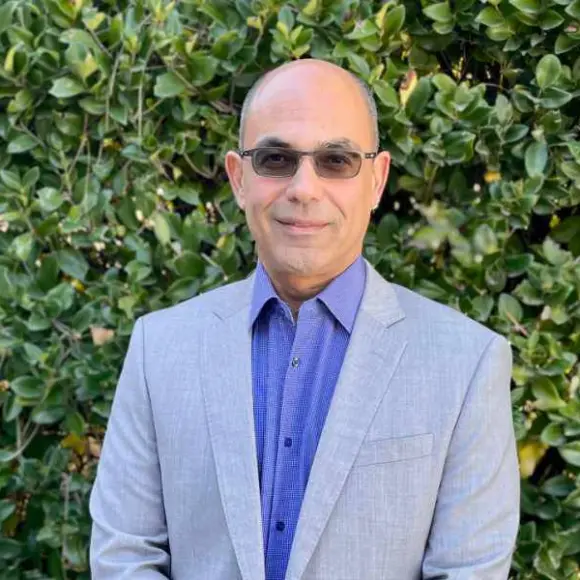
Arastou Aminzadeh, MD
Founder
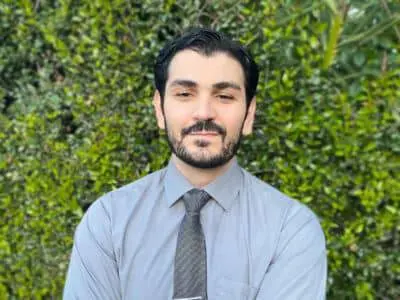
Ibrahim Muradian
Clinical Pharmacist
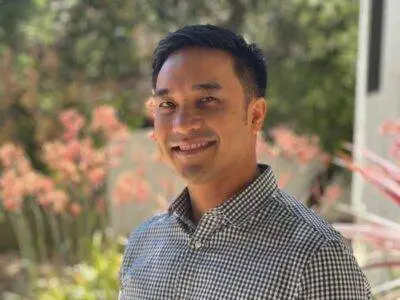
Andrew Aytona, PSYD, LMFT
Clinical Supervisor
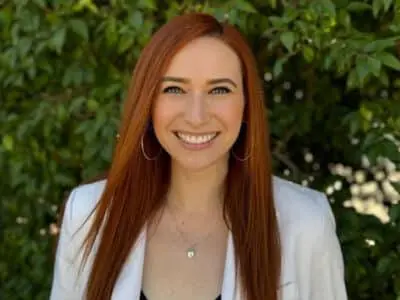
Katrina Sullivan
Director of Admission

Maria Sakisian
Director of Operations
Accreditations

The Commission on Accreditation of Rehabilitation Facilities (CARF) is a non-profit organization that specifically accredits rehab organizations. Founded in 1966, CARF's, mission is to help service providers like rehab facilities maintain high standards of care.
CARF Accreditation: Yes

LegitScript has reviewed BNI Treatment Centers as part of their certification program, and has determined that it meets the LegitScript standards for legality, safety and transparency.
LegitScript verified in
Rehab.com regularly reviews this listing for accuracy but changes may occur between updates. For the most up-to-date information, please contact BNI Treatment Centers.
Contact Information


30954 Lobo Canyon Rd
Agoura Hills, CA 91301
Sponsored Helpline



