Tree House Recovery PDX
1
Top 10 Rehab Centers In Portland













































































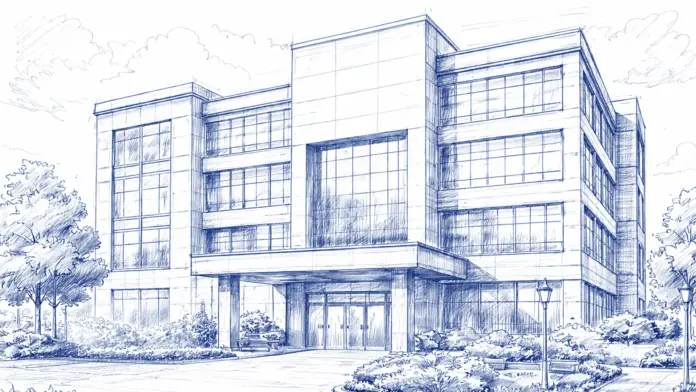
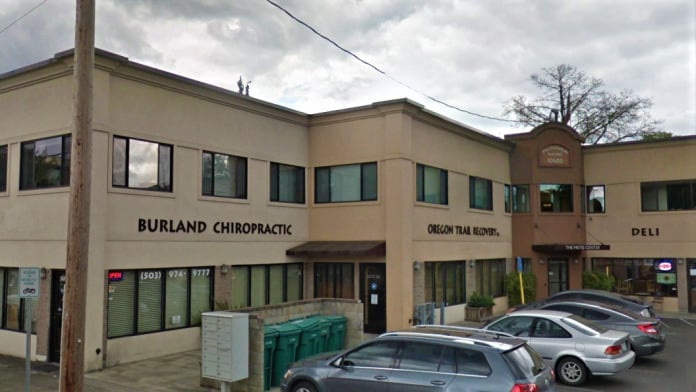
Bridge of Hope Mental Health Service is located in Portland, Oregon. The center offers substance use disorder (SUD) treatment services as well as treatment for co-occurring mental health disorders. There is also a court mandated DUI treatment program and sober living options. They offer medication assisted treatment (MAT) when appropriate.
The organization accepts insurance and works with clients to remove obstacles to treatment. The treatment facility is in Northeast Portland with access to nearby green spaces and parks for exercise and reflection between treatment sessions. The program includes nature outings, museum trips and hiking in Multnomah Falls.
There is a small client to staff ratio to ensure individuals receive personalized attention. The atmosphere is welcoming, warm, and comfortable to promote healing. Programs include breakfast, snacks and lunch.
They provide LGBTQ+ treatment in a safe and affirming environment. They treat all clients with understanding and respect. Some clients have mentioned that the staff truly cares about and serves their clients.
Additionally, the staff offers wraparound services. Case managers assist clients in navigating benefits, community resources and housing. They help clients with accountability and dealing with their daily responsibilities.



 Our Methodology


Clients who wish to remain in their homes while in recovery may elect to enroll in an outpatient rehab, many of which offer evening, night, and weekend services to accommodate clients' schedules. Most outpatient facilities provide multiple levels of care to align with clients' evolving needs, including partial hospitalization (PHP) and intensive outpatient (IOP) for clients who require robust support and supervision. Addiction counseling and recovery-focused life skills training are the most common treatment modalities.
Intensive outpatient programs provide robust, high-frequency care for clients in early recovery and those at an increased risk of relapse. Clients are generally expected to participate in nine to 20 hours of treatment per week, with the number and duration of sessions decreasing as clients stabilize. Intensive outpatient treatment often combines psychotherapy, including individual, group, and family counseling, with addiction and recovery education. Medication assisted treatment (MAT) and holistic therapies are also common.
A partial hospitalization program (PHP) is a more intensive form of outpatient and can be a step-down service in substance use disorder treatment. During PHP treatment, which lasts 4-8 hours per day and up to 5 days a week, you'll participate in daily therapeutic services (relapse prevention, medication management, and behavioral therapy) for an average of 90 days. The cost of PHP treatment varies, but it is typically covered by insurance providers.
You can find comprehensive substance abuse treatment in Oregon, for individuals struggling with substance abuse and/or co-occurring mental health disorders. Typically, you'll find inpatient, outpatient, and residential programs, which incorporate evidence-based therapies such as cognitive-behavioral therapy (CBT), dialectical behavior therapy (DBT), and mindfulness-based interventions. Treatment usually begins with a comprehensive assessment and personalized treatment plan, which may involve individual, group, and family therapy. You'll also learn vital skills to help you sustain your sobriety.
In Oregon, dual-diagnosis addiction treatment programs provide integrated care for individuals with co-occurring substance use disorders and mental health conditions. Specialized programs include outpatient, inpatient, and partial hospitalization options. Using a combination of individual and group therapy, psychoeducation, and skills training, a team of clinical addiction and mental health experts can treat the underlying causes of your addiction and improve your mental health.
Recovery is most successful when clients feel accepted and validated by their peers and treatment providers. Facilities that offer LGBTQ-inclusive programming are committed to creating a safe space where everyone can grow and recover without fear of judgment or discrimination. They will have dedicated policies in place to create a safe and supportive environment that fosters free expression.
Cognitive behavioral therapy (CBT) in Oregon is a short term talk therapy method used to treat mental and behavioral disorders. Based on client needs, the therapist may recommend five to 20 sessions. Typically, this form of therapy requires fewer sessions than many other types of treatment.
The six main elements of dialectical behavior therapy are designed to help you develop skills for recovery. These are related to: 1. Accepting your circumstances 2. Learning new skills 3. Receiving support 4. Learning positive behavioral responses 5. Changing negative thought patterns 6. Building collaboration skills.

6517 NE Sandy Blvd, Portland, OR 97213
Sponsored Helpline

This outpatient treatment center stands out for all the right reasons. Every interaction shows a strong commitment to client well-being. The employees truly care about the people they serve. You can see it in the way they speak to clients, the patience they show, and the effort they put into creating a supportive and respectful environment. Their kindness feels genuine, and it shapes the entire atmosphere of the facility. The center operates with professionalism, compassion, and a clear focus on helping clients make meaningful progress. Even from the outside, it is obvious that they are making a positive impact every day. If you are looking for a place where clients are treated with dignity, understanding, and real dedication, this center deserves top marks.

Very professional place. Heartfelt employees .

I am a lead mentor with Phoenix rising transitions and have had the pleasure of working with bridges to hope who have made it simple processing to get clients into there treatment facility and detox they have helped me with getting my clients into detox and then into thirr housing treatment slot easier process.

I have known Sean, Marcy, and Deanna for a couple years now. They were previously working for a different center where I attended treatment myself, and they each played a vital role in saving my life. They are pure humans with a real intention to put client needs first. I now have the privilege of working in the field myself, and have seen them hit the ground running as they've created a high quality treatment program that I am blessed to be a community partner to. If you are considering getting help, you will receive the highest possible quality of care from them.
 Back
Back
Sharing your insights and experiences can help others learn more about this rehab center.