
























































































About Brooklyn Adult & Teen Challenge
Brooklyn Adult & Teen Challenge is a faith based residential addiction treatment program serving men ages 17 to 65 at its Clinton Avenue facility in Brooklyn, New York.
Operating since 1958, the program offers a year long Christ centered discipleship process designed to address addiction and life controlling issues through Biblical principles and spiritual disciplines as well as life skills training.
Long Term Faith Based Residential Recovery
The core of Brooklyn Adult & Teen Challenge is its year long residential discipleship program structured in multiple phases to guide men through a complete spiritual and personal renewal. Part of the global Adult & Teen Challenge network, the program welcomes clients willing to commit to a Christ centered process and procedures regardless of background.
Clients live in a controlled community oriented environment that emphasizes accountability, mentorship, and spiritual growth. Daily routines incorporate Biblical teaching, life skills development, and service opportunities addressing both the roots of addiction and the practical tools needed for sustained recovery.
The approach focuses on rebuilding identity, purpose, and healthy habits in a setting designed to support long term change.
Renovated Facility and Supportive Community
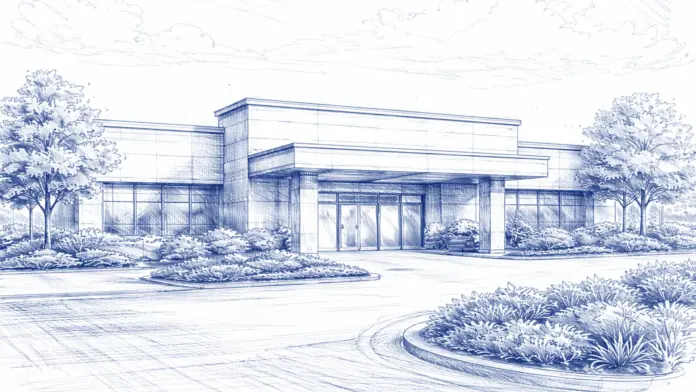
Brooklyn Adult & Teen Challenge operates from a renovated state-of-the-art facility with capacity for 34 students (clients), 8 re-graduates, and housing for staff and interns. This unique living model creates built-in mentorship and peer support fostering a recovery community where graduates can continue contributing while newer students benefit from their experience.
Latest Reviews



Rehab Score
 Our Methodology


Gallery
Other Forms of Payment
Private insurance refers to any kind of healthcare coverage that isn't from the state or federal government. This includes individual and family plans offered by an employer or purchased from the Insurance Marketplace. Every plan will have different requirements and out of pocket costs so be sure to get the full details before you start treatment.
Self-pay involves paying for treatment out of your own pocket. You can use savings or credit, get a personal loan, or receive help from family and friends to fund your treatment. If you don't have insurance or your insurance plan doesn't cover a specific program, self-pay can help ensure you still get the care you need.
Financial aid can take many forms. Centers may have grants or scholarships available to clients who meet eligibility requirements. Programs that receive SAMHSA grants may have financial aid available for those who need treatment as well. Grants and scholarships can help you pai for treatment without having to repay.
Addiction Treatments
Levels of Care
Residential treatment programs are those that offer housing and meals in addition to substance abuse treatment. Rehab facilities that offer residential treatment allow patients to focus solely on recovery, in an environment totally separate from their lives. Some rehab centers specialize in short-term residential treatment (a few days to a week or two), while others solely provide treatment on a long-term basis (several weeks to months). Some offer both, and tailor treatment to the patient's individual requirements.
Participants in 12 step programs maintain access to community-based peer support, which is the programs' primary treatment modality. 12 step recovery combines personal growth with paper coaching. Participants regularly attend group meetings, which are free, anonymous, open to the public, and available multiple times per day in most communities. They are also mentored by self-selected sponsors who guide them through the steps of recovery. Age and gender specific and other specialized formats are common.
The ultimate goal of a sober living home in New York is to provide structure and support for those who want to maintain sobriety. Often, sober living homes are a transitional space for those moving from residential treatment to mainstream life. Residents typically stay at least 90 days, with most living in the halfway house for more than six months.
Programs
Adult rehab programs include therapies tailored to each client's specific needs, goals, and recovery progress. They are tailored to the specific challenges adult clients may face, including family and work pressures and commitments. From inpatient and residential treatment to various levels of outpatient services, there are many options available. Some facilities also help adults work through co-occurring conditions, like anxiety, that can accompany addiction.
Young adulthood can be an exciting, yet difficult, time of transition. Individuals in their late teens to mid-20s face unique stressors related to school, jobs, families, and social circles, which can lead to a rise in substance use. Rehab centers with dedicated young adult programs will include activities and amenities that cater to this age group, with an emphasis on specialized counseling, peer socialization, and ongoing aftercare.
Clinical Services
Men and women in New York undergoing one on one individual therapy for drug and alcohol addiction treatment will address the unique psychological and emotional aspects that are often associated with addiction triggers. Your therapist helps you build a relapse prevention plan and set achievable goals to improve your mental health and achieve long term sobriety.
You can participate in couples therapy to focus on a specific problem in your relationship or for general strengthening of the relationship. This therapy aims to help you improve communication, address conflict, and grow in affection for one another.
Family therapy helps individual members of the family unit navigate the complexities of addiction. Therapists provide you with the tools you need to improve communication skills and conflict resolution. When families work together, they can support their loved one's recovery and help to restore balance and harmony within the household.
Coping with day to day living is a challenge while in addiction recovery. Life skills training helps you learn how to manage daily tasks and deal with stress in healthy ways. This is key to long term recovery.
Staff
Rev. Donald Wilkerson
Co-Founder & President Emeritus
Dr. Tim Adour
Chairman
Rev. Bobby Moore
Secretary
Rev. Dave Nuzzolo
Treasurer
Rev. Michael Bacchus
BOD
Rev. Lester Figueroa
BOD
George Siblall
BOD
Rev. Russell Hodgins
BOD
Contact Information


416 Clinton Avenue
Brooklyn, NY 11238
Sponsored Helpline


