





























































































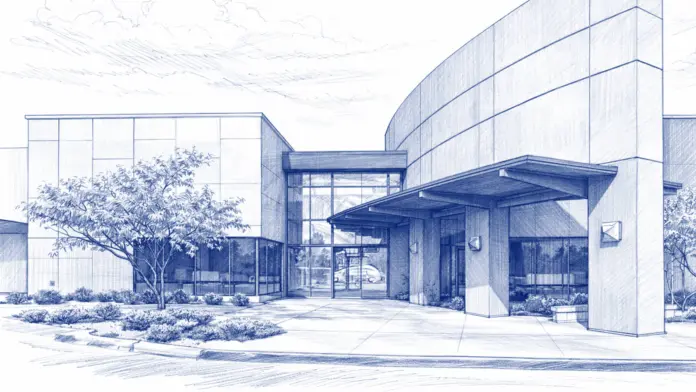
About Carolina Recovery Solutions
Carolina Recovery Solutions in Weaverville, North Carolina supports people in many different stages of addiction and recovery, whether they need detox, day treatment or flexible outpatient care that still allows them to live at home.
Their services include medically supervised detox and medication assisted treatment (MAT) for substances like opioids and alcohol. They also offer services like partial hospitalization program, intensive outpatient program and standard outpatient programs.
Residential treatment is available for those who need 24/7 support. The goal here isn’t just getting someone sober but helping them to stabilize physically, emotionally and mentally so their recovery can actually last.
Flexible Levels of Care with Structure and Support
I think that one thing Carolina Recovery Solutions does well is offering flexibility without losing structure. Their outpatient and intensive outpatient recovery programs are designed for people who still have responsibilities but need consistent therapy.
The partial hospitalization program offers a more immersive day treatment option while still allowing clients to return home at night, which can be a helpful step down from residential care.
Healing Environment and Long-Term Recovery
Treatment plans are individualized and they typically include individual therapy, group counseling, relapse prevention, family involvement and even life skills development. For anyone who is struggling with a co-occurring mental health condition, their care is also integrated so anxiety, trauma and depression can all be treated.
Being in the Appalachian Mountains near Asheville gives clients access to calmer surroundings and natural beauty that can reduce daily triggers.
Latest Reviews



Rehab Score
 Our Methodology


Location
Accepted Insurance
Other Forms of Payment
Self-pay involves paying for treatment out of your own pocket. You can use savings or credit, get a personal loan, or receive help from family and friends to fund your treatment. If you don't have insurance or your insurance plan doesn't cover a specific program, self-pay can help ensure you still get the care you need.
Private insurance refers to any kind of healthcare coverage that isn't from the state or federal government. This includes individual and family plans offered by an employer or purchased from the Insurance Marketplace. Every plan will have different requirements and out of pocket costs so be sure to get the full details before you start treatment.
Addiction Treatments
Levels of Care
Outpatient Programs (OP) are for those seeking mental rehab or drug rehab, but who also stay at home every night. The main difference between outpatient treatment (OP) and intensive outpatient treatment (IOP) lies in the amount of hours the patient spends at the facility. Most of the time an outpatient program is designed for someone who has completed an inpatient stay and is looking to continue their growth in recovery. Outpatient is not meant to be the starting point, it is commonly referred to as aftercare.
Intensive Outpatient programs are for those who want or need a very structured treatment program but who also wish to live at home and continue with certain responsibilities (such as work or school). IOP substance abuse treatment programs vary in duration and intensity, and certain outpatient rehab centers will offer individualized treatment programs. The Intensive Outpatient Program gives patients the chance to participate in a structured treatment plan part-time while they transition back to home and work or other responsibilities. This program provides half-day treatment (Monday, Wednesday and Friday, 9:15 am to 12:30 pm).
Completing a drug or alcohol rehab program shouldn't spell the end of substance abuse treatment. Aftercare involves making a sustainable plan for recovery, including ongoing support. This can include sober living arrangements like halfway houses, career counseling, and setting a patient up with community programs like Alcoholics Anonymous (AA) or Narcotics Anonymous (NA).
12 step programs are based on a model of life-long recovery and are rooted in peer support and spiritual development. Regular attendance at 12 step meetings is the cornerstone of treatment, as is the selection of a peer sponsor to guide participants through the steps of recovery. These steps are based on non-denominational spiritual principles and are designed to foster self-awareness, forgiveness, acceptance, and accountability. Specialized programs are widely available, including programs for teens, seniors, and families.
Programs
Adult rehab programs include therapies tailored to each client's specific needs, goals, and recovery progress. They are tailored to the specific challenges adult clients may face, including family and work pressures and commitments. From inpatient and residential treatment to various levels of outpatient services, there are many options available. Some facilities also help adults work through co-occurring conditions, like anxiety, that can accompany addiction.
Recovery is most successful when clients feel accepted and validated by their peers and treatment providers. Facilities that offer LGBTQ-inclusive programming are committed to creating a safe space where everyone can grow and recover without fear of judgment or discrimination. They will have dedicated policies in place to create a safe and supportive environment that fosters free expression.
Serving in the military is both mentally and physically challenging, and can result in trauma that persists even after combat ends. Military programs are tailored to the specific and often complex needs of active duty personnel, veterans, and military families. Clients often access these programs through the U.S. Department of Veterans Affairs (VA).
Clinical Services
Family therapy sessions address the emotional toll that addiction has had on the family unit and individual members. Therapists work with families to develop better coping strategies, which in turn create a stable environment for their loved one's recovery process.
You usually develop a strong bond with your therapist during individual therapy sessions. This helps you explore the underlying causes of your substance use in a safe and nonjudgmental environment. Therapists help you develop effective coping strategies you can use in the community and improve your self awareness so you understand your addiction triggers.
Men and women enjoy a supportive environment within group therapy sessions for drug and alcohol addiction treatment. You can share your experiences and build connections with your peers while receiving encouragement from individuals who have faced similar challenges.
If you're struggling with insecurity about your ability to make changes in your life, motivational interviewing in North Carolina could be a good solution. This type of therapy offers support and empowerment to help you explore your options and decide how to move forward with positive changes.
Clients who receive cognitive behavioral therapy in North Carolina typically attend five to 20 sessions. During this time, they work with their therapist to learn healthier patterns of thinking, which can help them change their behavior related to substance use.
Amenities
-
 Private Transportation
Staff & Accreditations
Staff
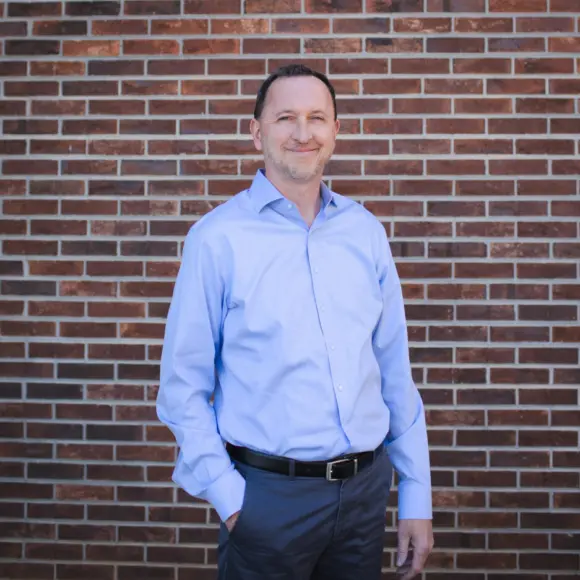
Dr. Brady Schroer
Medical Director
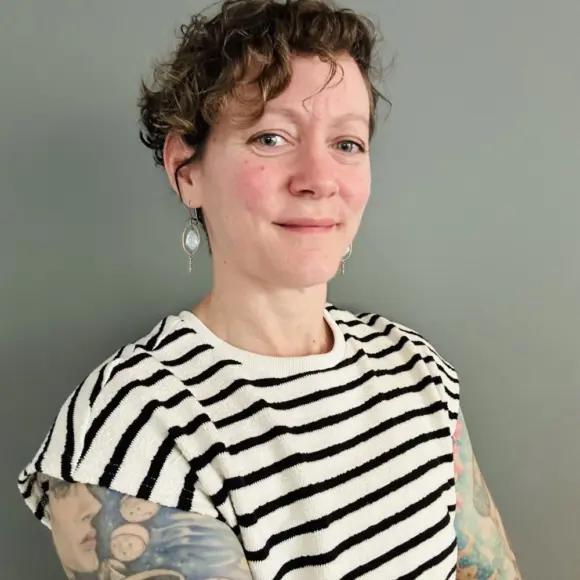
Brinkley Stone-Hart, MSW, LCSW, LCAS-A
Clinical Director
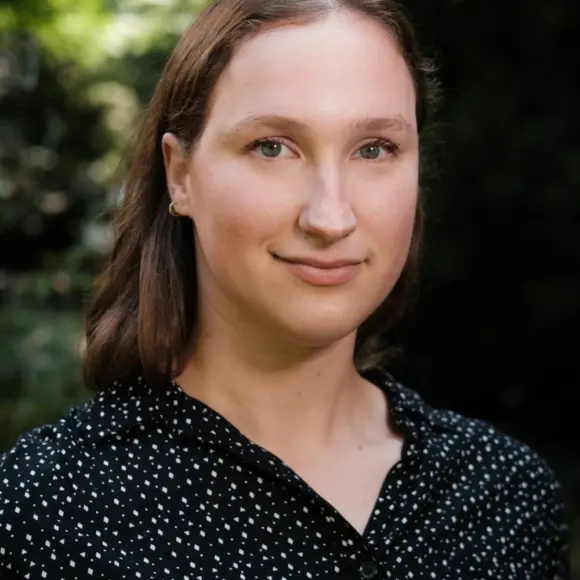
Caroline Malatesta-Horn, SW, LCSW-A, LCAS-A
Primary Therapist
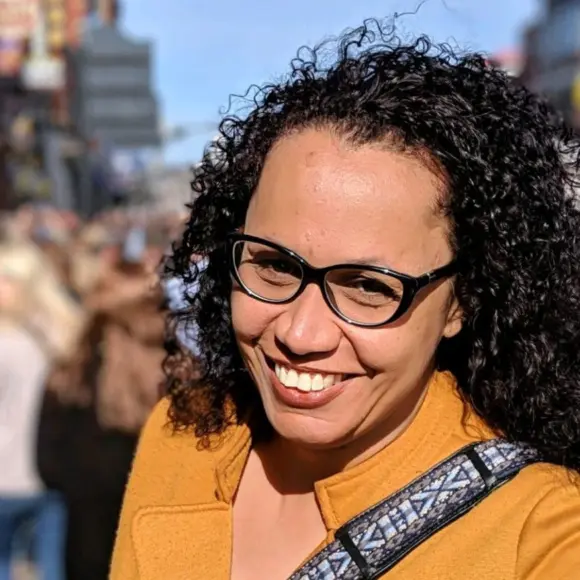
Natasha Charles, MA, RDT, LMHC, LCASA
Primary Therapist
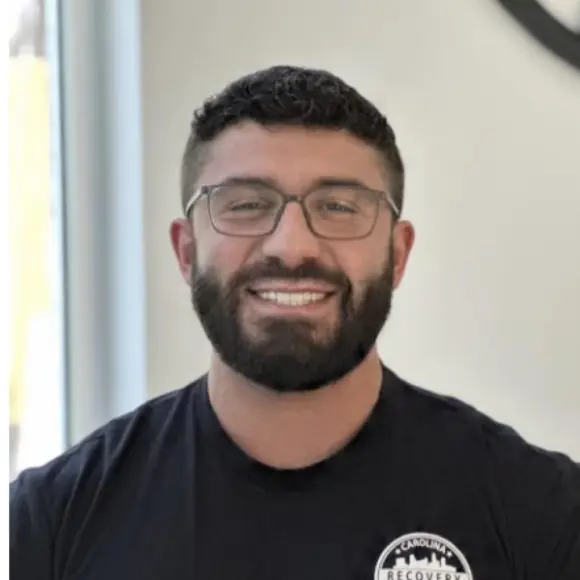
Dion Lovallo
Admissions Director
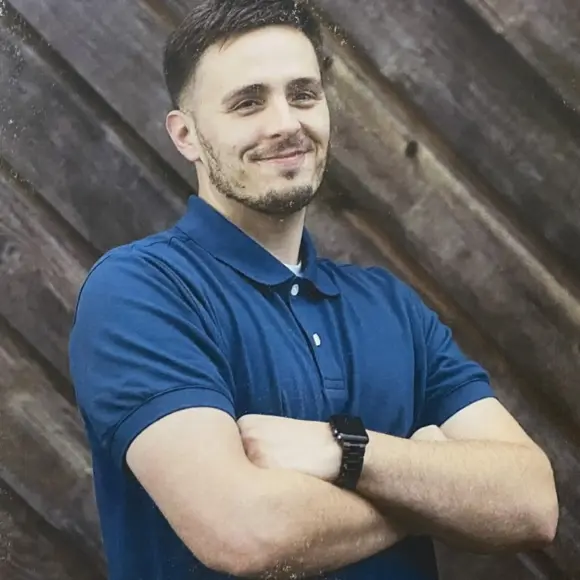
Mike Bullins
Alumni and Admissions Coordinator
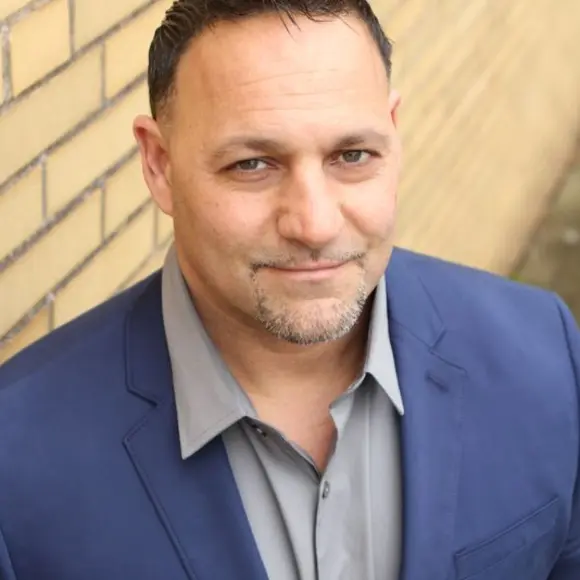
Craig Ciriaco
Director of Court Services
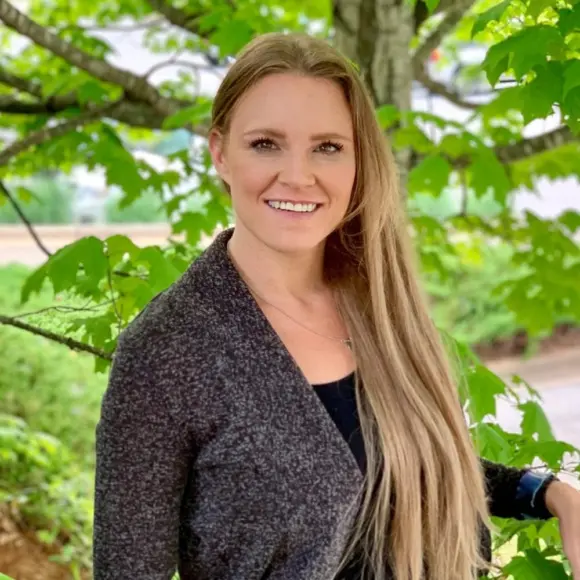
Ashley Egeland, CADC-I, NCCPSS
Director of Business Development
Accreditations

LegitScript has reviewed Carolina Recovery Solutions as part of their certification program, and has determined that it meets the LegitScript standards for legality, safety and transparency.
LegitScript verified in
Rehab.com regularly reviews this listing for accuracy but changes may occur between updates. For the most up-to-date information, please contact Carolina Recovery Solutions.
Contact Information


901 Old Mars Hill Hwy
Suite 5
Weaverville, NC 28787
Sponsored Helpline



