






























































































The real issue here is that nobody adheres to rules here. This includes staff members. They don't follow their own protocol but expect you to do so. It is such a discouraging conduct because they should preach with their example, don't you think? Plus, looooooooong waits eve ...
About Community Medical Services
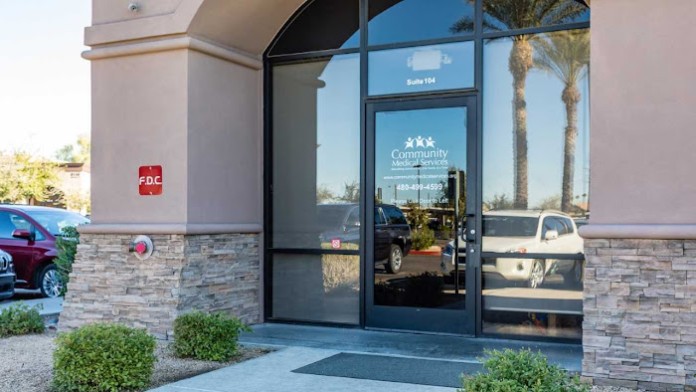
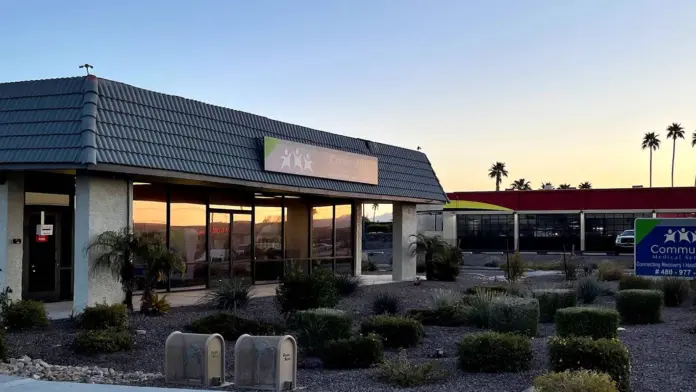
Community Medical Services in Mesa, Arizona is a CARF accredited outpatient clinic specializing in opioid use disorder treatment for adults and young adults.
The Mesa on Arbor location combines medication assisted treatment and counseling with peer support and psychiatry to help clients recover from heroin and fentanyl addiction.
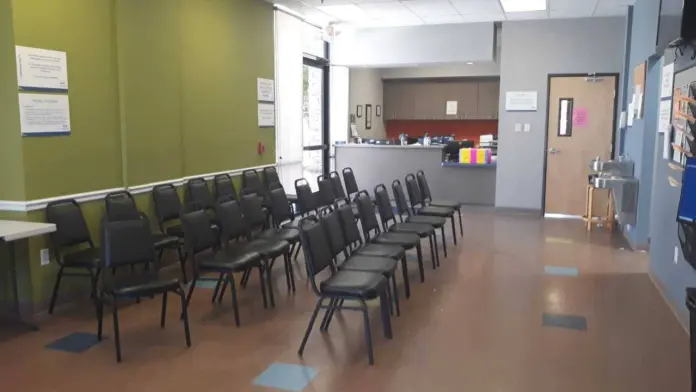
With same day treatment and walk-ins welcome this community based program is designed to remove barriers and meet clients right where they are.
Opioid Use Disorder Treatment and Medication-Assisted Recovery
Opioid recovery is the heart of this clinic’s work offering medication-assisted treatment with methadone and buprenorphine/Suboxone, naltrexone, Brixadi, and Sublocade. Each patient receives a customized treatment plan supported by certified peer support specialists and on-site psychiatry services.
Beyond medication treatment includes counseling using evidence-based approaches like cognitive behavioral therapy and motivational interviewing, contingency management, and relapse prevention.
Reviewers frequently highlight the friendly, welcoming staff and relatively short wait times reflecting the clinic’s low-barrie and nonjudgmental philosophy.
Supportive Care for Pregnant and Postpartum Patients
The Mesa clinic also serves pregnant and postpartum women seeking opioid recovery in a supportive, understanding environment. Care is coordinated through customized planning that blends medication, counseling, and peer support.
Trauma-related counseling and telehealth therapy options are also available to expand access.
Latest Reviews
If you want help or are looking to come get information on addiction and don't know where to turn, CMS is the place to go. Here CMS on Arbor Ave in Mesa is one of the best places that I have ever felt not only as a patient but as family and knowing I have the support I need to do what I have to do is another thing that makes coming here a plus. You don't walk into judgement and people looking down on you, you walk into nurses and councilors and dotors and the front end staffing people willing to stand up and take you and talk to you like you are a person and a person who is ready to turn their lives around. It may take a few months, it's may take a year it may take longer but the best part here at Arbor I have found out you are not alone! No question is to stupid and if someone doesn't have the answer Ive had my coulcer work until she was able to answer that situation with knowledge and correct information..if you are ready and the way things are going it's time, if your ready to take your life back come to CMS and get the help the professional help you need and deserve! I am so glad I am a patient at this facility and I love that I can walk In and be greeted by my name ! I am not a number or just another personan walking through that door I am someone who people are willing to take me and talk to me and help me! Thank you CMS - Arbor Ave without you I don't know where I would have been.
My forever appreation,
Sincerely.
JC 💜 💜 💜 💜
Response from the owner1 week ago
Hello Jennifer, thank you for sharing your heartfelt experience with us at CMS on Arbor Ave. We're so grateful to hear that you feel supported and valued as part of our community. We're here for you every step of the way on your journey!
The lady is has candy and she is not selfish this CMS is nice and quiet compared to other CMS clinics I have been to in the past I think I will like it here
Response from the owner1 week ago
Hello George, thank you for sharing your positive experience with us. Your feedback is invaluable, and we're pleased to know that you feel comfortable at our clinic. If you have any further comments or questions, please feel free to reach out.
This place saved my life im proud to say that im proud to be apart of this community i can say this if it wasnt for them id be dead my own personal health care dr gave me pain meds like candy didnt even once say to me do you want physical therapy lets fix the problem not cause two more..i will be forever grateful ..and my counselor mayra AMAZINGGGGG ...

Rehab Score
 Our Methodology
Scoring is assigned by a proprietary system which helps surface key metrics that determine quality. The 10-point scale factors in categories such as operations, customer satisfaction, and trust metrics. Read Full Methodology

7.3 / 10
Gallery
Other Forms of Payment
Self-pay involves paying for treatment out of your own pocket. You can use savings or credit, get a personal loan, or receive help from family and friends to fund your treatment. If you don't have insurance or your insurance plan doesn't cover a specific program, self-pay can help ensure you still get the care you need.
Financial aid can take many forms. Centers may have grants or scholarships available to clients who meet eligibility requirements. Programs that receive SAMHSA grants may have financial aid available for those who need treatment as well. Grants and scholarships can help you pai for treatment without having to repay.
Medicaid is a state based program that helps lower-income individuals and families pay for healthcare. Medicaid covers addiction treatment so those enrolled can use their coverage to pay for rehab. When a program accepts Medicaid the client often pays very little or nothing out of their own pocket.
Medicare is a federal program that provides health insurance for those 65 and older. It also serves people under 65 with chronic and disabling health challenges. To use Medicare for addiction treatment you need to find a program that accepts Medicare and is in network with your plan. Out of pocket costs and preauthorization requirements vary, so always check with your provider.
Addiction Treatments
Levels of Care
Outpatient Programs (OP) are for those seeking mental rehab or drug rehab, but who also stay at home every night. The main difference between outpatient treatment (OP) and intensive outpatient treatment (IOP) lies in the amount of hours the patient spends at the facility. Most of the time an outpatient program is designed for someone who has completed an inpatient stay and is looking to continue their growth in recovery. Outpatient is not meant to be the starting point, it is commonly referred to as aftercare.
Inpatient rehab is designed primarily for persons in early recovery and those who are exiting detox programs. It's ideal for clients in crisis or at an elevated risk of relapse. Inpatient treatment centers provide housing and meals, allowing clients to focus on their recovery away from distractions and addiction triggers. Clients engage in intensive psychotherapy, and many inpatient programs feature recovery-focused life skills training and/or complementary therapies like meditation, creative arts therapy, and other holistic treatments.
Drug and alcohol addiction often takes a heavy toll on one's body. Over time, a physical dependence can develop, meaning the body physiologically needs the substance to function. Detox is the process of removing drugs and/or alcohol from the body, a process that can be lethal if mismanaged. Medical detox is done by licensed medical professionals who monitor vital signs and keep you safe, healthy, and as comfortable as possible as you go through detox and withdrawal.
Treatments
The goal of treatment for alcoholism is abstinence. Those with poor social support, poor motivation, or psychiatric disorders tend to relapse within a few years of treatment. For these people, success is measured by longer periods of abstinence, reduced use of alcohol, better health, and improved social functioning. Recovery and Maintenance are usually based on 12 step programs and AA meetings.
Drug rehab in Arizona is the process of treating individuals who are dependent on a particular addictive drug. Because addiction is complex, this treatment typically includes a variety of interventions that address the many physical and emotional issues involved.
Opioid rehabs specialize in supporting those recovering from opioid addiction. They treat those suffering from addiction to illegal opioids like heroin, as well as prescription drugs like oxycodone. These centers typically combine both physical as well as mental and emotional support to help stop addiction. Physical support often includes medical detox and subsequent medical support (including medication), and mental support includes in-depth therapy to address the underlying causes of addiction.
Substance rehabs focus on helping individuals recover from substance abuse, including alcohol and drug addiction (both illegal and prescription drugs). They often include the opportunity to engage in both individual as well as group therapy.
Programs
Adult rehab programs include therapies tailored to each client's specific needs, goals, and recovery progress. They are tailored to the specific challenges adult clients may face, including family and work pressures and commitments. From inpatient and residential treatment to various levels of outpatient services, there are many options available. Some facilities also help adults work through co-occurring conditions, like anxiety, that can accompany addiction.
Young adulthood can be an exciting, yet difficult, time of transition. Individuals in their late teens to mid-20s face unique stressors related to school, jobs, families, and social circles, which can lead to a rise in substance use. Rehab centers with dedicated young adult programs will include activities and amenities that cater to this age group, with an emphasis on specialized counseling, peer socialization, and ongoing aftercare.
Clinical Services
Cognitive Behavioral Therapy (CBT) is a therapy modality that focuses on the relationship between one's thoughts, feelings, and behaviors. It is used to establish and allow for healthy responses to thoughts and feelings (instead of unhealthy responses, like using drugs or alcohol). CBT has been proven effective for recovering addicts of all kinds, and is used to strengthen a patient's own self-awareness and ability to self-regulate. CBT allows individuals to monitor their own emotional state, become more adept at communicating with others, and manage stress without needing to engage in substance abuse.
Group therapy is any therapeutic work that happens in a group (not one-on-one). There are a number of different group therapy modalities, including support groups, experiential therapy, psycho-education, and more. Group therapy involves treatment as well as processing interaction between group members.
Life skills trainings involve all the skills a person must have in order to function successfully in the world. These include time management, career guidance, money management, and effective communication. Truly successful addiction recovery is based on the ability to not only live substance-free, but to thrive. Life skills teaches the practical necessities of functioning in society, which sets clients up for success in life, and therefore sobriety.
Motivational Interviewing (MI) is a clinical approach to helping people with substance abuse issues and other conditions shift behavior in positive ways. It is more goal-oriented than traditional psychotherapy, as MI counselors directly attempt to get clients to consider making behavioral change (rather than wait for them to come to conclusions themselves). Its primary purpose is to resolve ambivalence and help clients become able to make healthy choices freely.
Trauma therapy addresses traumatic incidents from a client's past that are likely affecting their present-day experience. Trauma is often one of the primary triggers and potential causes of addiction, and can stem from child sexual abuse, domestic violence, having a parent with a mental illness, losing one or both parents at a young age, teenage or adult sexual assault, or any number of other factors. The purpose of trauma therapy is to allow a patient to process trauma and move through and past it, with the help of trained and compassionate mental health professionals.
Staff & Accreditations
Staff
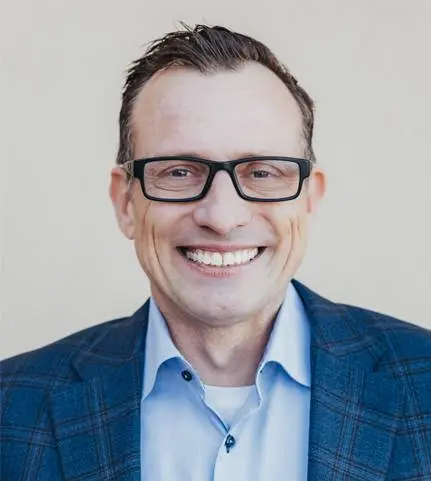
Nick Stavros
Chief Executive Officer
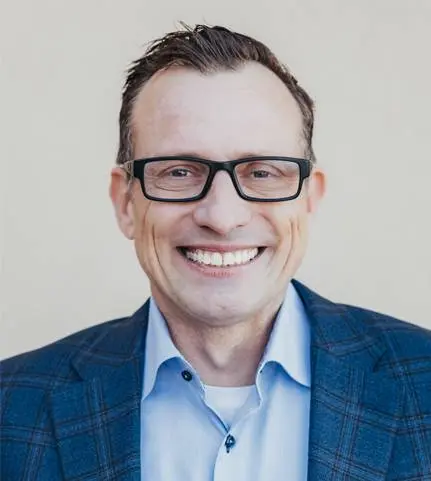
Christoper Flowers
Chief Operating Officer

Dr. Robert Sherrick, MD, FASAM
Chief Science Officer
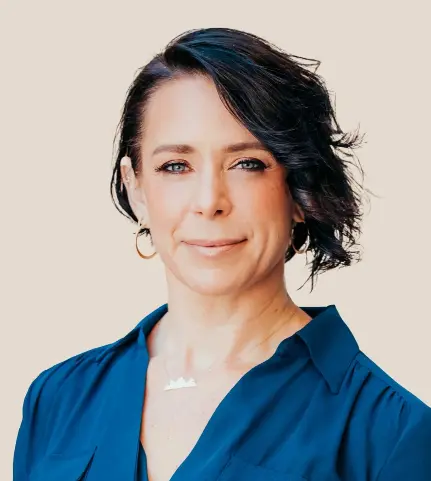
Stacie Baird
Chief People Officer
Accreditations

The Commission on Accreditation of Rehabilitation Facilities (CARF) is a non-profit organization that specifically accredits rehab organizations. Founded in 1966, CARF's, mission is to help service providers like rehab facilities maintain high standards of care.
CARF Accreditation: Yes
Accreditation Number: 257398
Rehab.com regularly reviews this listing for accuracy but changes may occur between updates. For the most up-to-date information, please contact Community Medical Services.
Contact Information

6116 East Arbor Avenue
Building 1 Suite 104
Mesa, AZ 85206
Get Help Now - 602-900-1258
Sponsored Helpline
Sponsored Helpline

