Symetria — Hurst Outpatient Rehab & Suboxone Clinic
1
Top 10 Rehab Centers In Hurst



















































































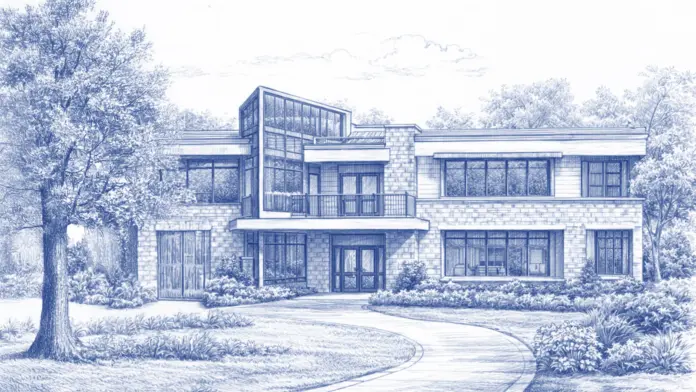
Community Medical Services, located in San Antonio, Texas is a private alcohol and drug rehab that offers treatment for a variety of substance abuse addictions. They offer supervised medical treatment to safely manage withdrawal symptoms during detoxification, residential care providing long term support for addiction recovery, as well as flexible outpatient addiction therapy allowing patients to live at home while receiving regular treatment. Additional levels of care offered include relapse prevention, 12-step therapy, and intervention services.
Specialty rehab programs at Community Medical Services include tailored care focusing on women’s specific needs and experiences, gender-specific addiction treatment addressing unique challenges faced by men, and age-appropriate treatment for teens addressing adolescent-specific issues.
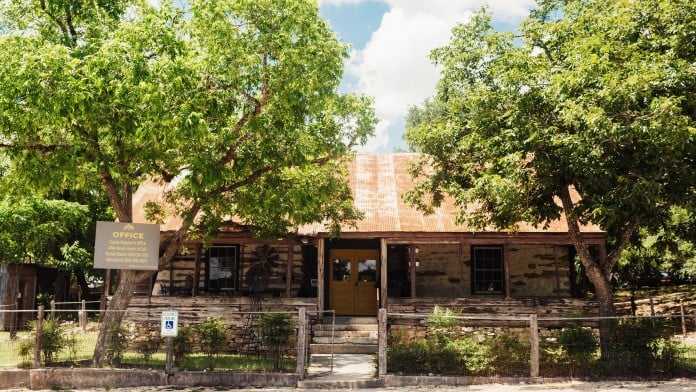
Patients at Community Medical Services will find the residential setting creates an immersive environment promoting full engagement in recovery away from daily triggers and the private rooms that give personal space for reflection and undisturbed rest during treatment.
Community Medical Services has received accreditations from SAMHSA, CARF, and the state of Texas.


 Our Methodology


Private insurance refers to any kind of healthcare coverage that isn't from the state or federal government. This includes individual and family plans offered by an employer or purchased from the Insurance Marketplace. Every plan will have different requirements and out of pocket costs so be sure to get the full details before you start treatment.
Self-pay involves paying for treatment out of your own pocket. You can use savings or credit, get a personal loan, or receive help from family and friends to fund your treatment. If you don't have insurance or your insurance plan doesn't cover a specific program, self-pay can help ensure you still get the care you need.
Financial aid can take many forms. Centers may have grants or scholarships available to clients who meet eligibility requirements. Programs that receive SAMHSA grants may have financial aid available for those who need treatment as well. Grants and scholarships can help you pai for treatment without having to repay.
Medicare is a federal program that provides health insurance for those 65 and older. It also serves people under 65 with chronic and disabling health challenges. To use Medicare for addiction treatment you need to find a program that accepts Medicare and is in network with your plan. Out of pocket costs and preauthorization requirements vary, so always check with your provider.
Military members, veterans, and eligible dependents have access to specific insurance programs that help them get the care they need. TRICARE and VA insurance can help you access low cost or no cost addiction and mental health treatment. Programs that accept military insurance often have targeted treatment focused on the unique challenges military members, veterans, and their families face.
Medicaid is a state based program that helps lower-income individuals and families pay for healthcare. Medicaid covers addiction treatment so those enrolled can use their coverage to pay for rehab. When a program accepts Medicaid the client often pays very little or nothing out of their own pocket.
After completing some form of inpatient care, many clients transition or step down to an outpatient rehab, while some choose to transition from detox directly into outpatient care. High-intensity outpatient programming, including partial hospitalization (PHP) and intensive outpatient (IOP) is widely available for clients in early recovery, those leaving detox, and those at an elevated relapse risk. Clients in outpatient care generally engage in robust addiction counseling and recovery education, and some also receive medication assisted treatment (MAT).
Inpatient rehab programs are geared toward clients in early recovery. They also provide intensive support for clients in crisis and those at an increased relapse risk. Clients receive housing and meals while in inpatient care, allowing them to focus solely on their recovery. Most programs prioritize addiction counseling but may draw on various psychotherapeutic modalities, including CBT, DBT, RBT, trauma therapy, and motivational interviewing. Life skills training and holistic therapies are also common in inpatient care.
Rehab aftercare programs are based on a model of continuing care and the premise that recovery is a life-long process requiring ongoing client support. Many rehab aftercare services include outpatient care, but clients often continue to receive support after being discharged from formal treatment. Case managers and care teams typically collaborate with clients to design their long-term care plan, which may include peer coaching, career counseling, and 12 step program induction, among other services.
12 step programs promote participants' sustained sobriety through rigorous and ongoing peer coaching and personal spiritual growth. Participants routinely attend 12 step meetings, which are available multiple times per day, 365 days per year in most communities. This ensures that those in recovery have prompt access to the structure and support they need when they need it. These programs use spiritual precepts to address the root causes of addiction and encourage compassion, self-awareness, forgiveness, accountability, and acceptance.
A drug intervention in Texas may be necessary if your loved one is in denial about a substance use disorder. You can partner with intervention services to plan and execute an effective intervention that educates your loved one about addiction and encourages them to get the treatment they need. Many rehab centers offer intervention specialists who can facilitate the intervention and help with a seamless transition to inpatient rehab for treatment.
24-hour clinical care in Texas provides a safe environment for medical detox. This setting is crucial to provide medical care during withdrawal. Certain withdrawal symptoms can cause life-threatening conditions, but patients in a supervised clinical setting have treatment readily available to address any symptoms before they become severe. Treatment can also be provided for co-occurring physical and mental health issues.
Ridding the body of harmful, addictive substances, also known as detoxification, is usually the first phase of recovery. Those going through medically assisted detox can be administered medications by a team of medical professionals who are on-site 24/7 to provide different types of therapies that help mitigate withdrawal symptoms.
During rehab in Texas, you'll deal with underlying issues that contribute to addiction. By addressing these challenges and learning healthy ways to cope with them, you'll develop strategies that help you live a drug-free lifestyle.
Substance abuse treatment is available in Texas for anyone who's struggling with drug or alcohol addiction. These programs usually provide a comprehensive assessment and individualized treatment plan, and include evidence-based treatments, like therapies such as cognitive-behavioral therapy (CBT) to reframe unhelpful coping strategies, and dialectical behavior therapy (DBT) to help with emotional regulation and stress.
Adult rehab programs include therapies tailored to each client's specific needs, goals, and recovery progress. They are tailored to the specific challenges adult clients may face, including family and work pressures and commitments. From inpatient and residential treatment to various levels of outpatient services, there are many options available. Some facilities also help adults work through co-occurring conditions, like anxiety, that can accompany addiction.
Young adulthood can be an exciting, yet difficult, time of transition. Individuals in their late teens to mid-20s face unique stressors related to school, jobs, families, and social circles, which can lead to a rise in substance use. Rehab centers with dedicated young adult programs will include activities and amenities that cater to this age group, with an emphasis on specialized counseling, peer socialization, and ongoing aftercare.
Recovery is most successful when clients feel accepted and validated by their peers and treatment providers. Facilities that offer LGBTQ-inclusive programming are committed to creating a safe space where everyone can grow and recover without fear of judgment or discrimination. They will have dedicated policies in place to create a safe and supportive environment that fosters free expression.
Serving in the military is both mentally and physically challenging, and can result in trauma that persists even after combat ends. Military programs are tailored to the specific and often complex needs of active duty personnel, veterans, and military families. Clients often access these programs through the U.S. Department of Veterans Affairs (VA).
The goal of cognitive behavioral therapy (CBT) in Texas is to change thought patterns, which leads to changes in behavior. Specific techniques during CBT can include self talk, SMART goals, journaling, and positive activities.
Peer support is an important aspect of group therapy sessions for drug and alcohol addiction. As you and your peers share stories and encourage each other, it fosters a sense of community and belonging that helps you process your feelings and reduces the sense of isolation that is associated with addiction.
Individual therapy offers you a confidential space to address the complexities of your drug or alcohol addiction. Your therapist guides these personalized sessions to help develop self awareness and manage stress. This promotes sustained sobriety and overall well being.
Therapy sessions that incorporate motivational interviewing focus on OARS: open questions, affirmation, reflections, and summarizing. This facilitates an exchange of information and an empowering of the client to decide for themselves what changes might need to be made in their lives.
Together with an experienced trauma therapist, you work on healing emotional wounds from traumatic experiences within a trauma therapy environment. Your therapist will help you process the experience of the trauma, which promotes emotional healing and improves your overall mental health.
Couples therapy helps couples learn to control emotions, trust each other, and communicate more effectively. It can be useful for short term intervention for a specific issue or for working on the relationship long term.
The purpose of family therapy is to create a supportive and understanding family dynamic within the family unit. Therapists help individual members to identify and change harmful behavior patterns and improve communication. This provides a stable foundation for the family and their loved one's recovery.
The right life skills training will help you build the skills you need for recovery. You'll learn how to solve problems, improve your social life, enhance your mental health, and make good decisions. This is a key component of drug rehab programs in Texas.
 Residential Setting
  Private Rooms
CEO

CFO
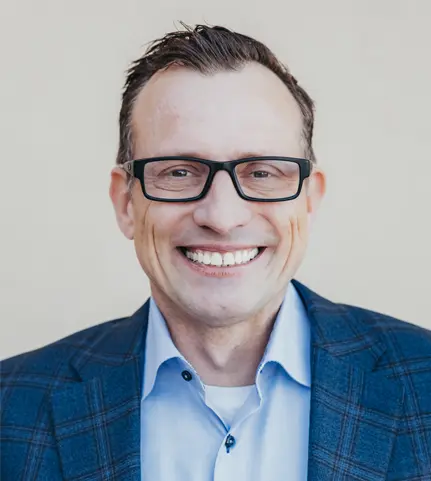
COO

Chief Science Officer
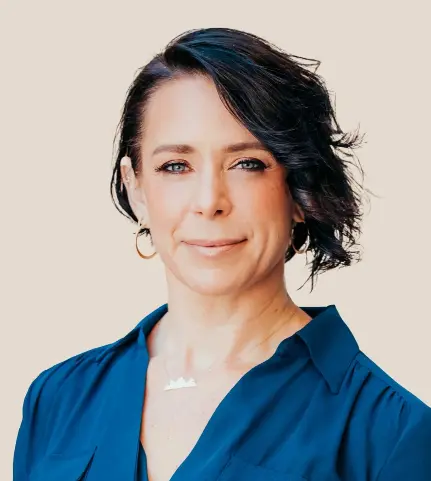
Chief People Officer

Executive VP of Operations
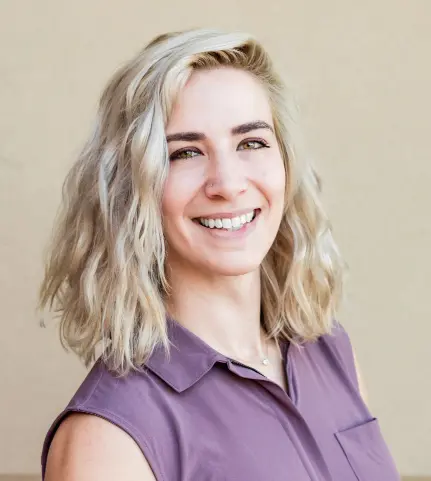
Medical Director, Eastern Territory
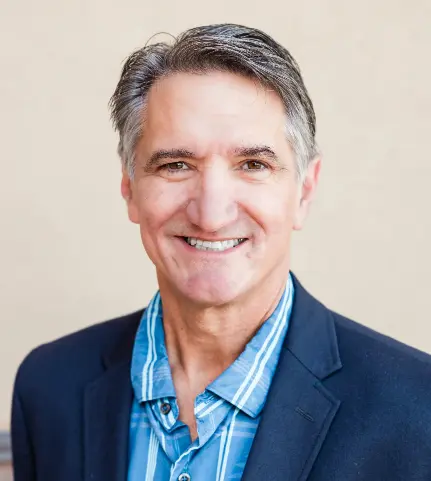
Medical Director, Western Territory

The Substance Abuse and Mental Health Services Administration (SAMHSA) is a branch of the U.S. Department of Health and Human Services. Established in 1992 by congress, SAMHSA's mission is to reduce the impact of substance abuse and mental illness on American's communities.
SAMHSA Listed: Yes

The Commission on Accreditation of Rehabilitation Facilities (CARF) is a non-profit organization that specifically accredits rehab organizations. Founded in 1966, CARF's, mission is to help service providers like rehab facilities maintain high standards of care.
CARF Accreditation: Yes

State Licenses are permits issued by government agencies that allow rehab organizations to conduct business legally within a certain geographical area. Typically, the kind of program a rehab facility offers, along with its physical location, determines which licenses are required to operate legally.
State License: Texas
Rehab.com regularly reviews this listing for accuracy but changes may occur between updates. For the most up-to-date information, please contact Community Medical Services.

437 McCarty Rd
Suite 600
San Antonio, TX 78216
Sponsored Helpline

If your ever feeling down an out because of your shame or conditions of your past use of substance that your having a problems with not being able to find any solution or any ways or means to get yourself to this specific location or any others that participate in simular services don't worry about a thing, just always remember "there's a way out of every situation", just get here and they will help with every ways or means in finding a resolution with making a way happen that you thought there would never be a way. Especially when you have a staff they currently have right now, from the brain, all the way to mind, their staff, like the Manager Ms. Mary, and her assistant Ms.Tracy who knows practically the majority of each person that comes in either weekly biweekly or monthly, to one of more than several counselors such like Mr. Jim, that learns to know your situation and helps with finding you ways or means of getting you back from abnormal to simply a normal time being yourself once again, believe me these folks are not the there to judge you but to simply help you finding the solution thats going to work in your best interest for all concerned parties involved, including the Doctor B. Dillon, and the nurse's like Ms. Shannel, an others who know what's going on with each patient's past or present addiction, in helping and guiding you through the process and getting yourself back to where you once where even before you started using. So, I've been going their now for past 16-18 months and have got nothing but good things to say about their services, and their caring not to mention the trust in each and every one of the staff that I mentioned in this review, the time an place, let alone opportunity is here waiting on you to just come clean and ask for help with little to no in some cases cost what soever if you consult with them first. Just remember this, if your feeling negative about it cause of still wanting to stay in the game, or keep taking them oppiodes an other non essentials that have got you hooked, and have become a antidote to your body daily a must have so you feel like your going through withdrawals just pick up your phone and reach out to them, and you never know Ms. Tracy may be the one who answerers your call, just let her know your situation and she'll schedule you a time to come in pronto for a opportunity for you to get onboard that same day perhaps. Just stay positive and all is well, and CMS, an staff keep up the great work! God bless.

Thank you God for blessing us all at this clinic with MR SAM,MRS, TRACY,N THE ONE N ONLY ONE OUR NEW NURSE GOD HAS BLESS US WITH THIS ANGELS.THIS IS THE NUMBER ONE CLINIC IN SAM ANTONIO TEX. THANK YOU FOR BEING HERE FOR US GOD HAS SENT US SOME ANGELS I HOPE N PRAY TO GOD THAT THEY STAY WORKING HERE.I HAVE BEEN IN THE METHADONE FOR OVER 20 YRS,N I KNOW THAT WE HAVE BEEN BLESS THANK YOU MR SAM FOR GETTING ME MY TAKE HOMES WHAT A BLESSING N THANK YOU MRS TRACY FOR BEING SO SO NICETO US WISH U NEVER NEVER LEAVE THIS PROGRAM N 2 OUR NUMBER 1 NURSE THANK YOU FOR BEING SO SO KIND TO US U DONT KNOW WHAT IT MEANS TO US THAT WONDERFUL NICE SMILE N ALWAYS ALWAYS ASKING US HOW WE R DOING THANK YOU THANK YOU FOR BEING REAL REAL NICE TO US EVERYDAY U HAVE THAT BEAUTIFUL SMILE MAY GOD BLESS YOU ALL N THANK YOU THANK YOU COMMUNITY MEDICAL SERVICES FOR BEING HERE FOR US. THE NUMBER 1 CLINIC IN SAN ANTONIO TEX MAY GOD BLESS YOU ALL

Awesome place I transferred in from another clinic staff is polite and helpful.

My daughter is going to this location and the manager Mary is so amazing and caring and helpful and Dr. Dillon has been so helpful and supportive with my daughter he truly cares about the clients at this location along with Ashley I would recommend this location for treatment.
 Back
Back
Sharing your insights and experiences can help others learn more about this rehab center.