












Red Rock Recovery Center
1
Top 10 Rehab In Lakewood




















































































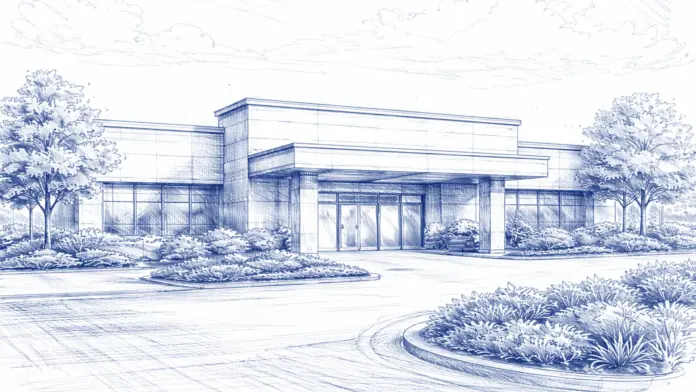
Comprehensive Behavioral Health Center Denver Clinic is an outpatient opioid treatment program in Colorado that specializes in methadone treatment for adults recovering from opioid use disorder. The clinic offers same day dosing, individual and group counseling, and psychiatric medication management.
The Denver clinic operates as a CARF accredited outpatient opioid treatment program where adults can begin methadone treatment on the same day they walk in. Daily dosing is available on-site, with take home options that may become accessible as clients progress and guest dosing is offered for individuals traveling from other programs.
In addition to medication assisted treatment, clients receive individual and group counseling, peer support, and case management to address housing, government benefits, and other needs. The clinic also coordinates psychiatric medication management and referrals for infectious disease services, including hepatitis C treatment and HIV prevention.
Prospective clients can walk into Comprehensive Behavioral Health Center’s Denver clinic for an intake assessment and begin methadone dosing the same day. They accept Medicaid, Medicare, Tricare, private insurance, self-pay, and offer sliding fee scales.
To learn more about starting opioid use disorder treatment in downtown Denver, reach out to us today.

 Our Methodology


Medicaid is a state based program that helps lower-income individuals and families pay for healthcare. Medicaid covers addiction treatment so those enrolled can use their coverage to pay for rehab. When a program accepts Medicaid the client often pays very little or nothing out of their own pocket.
Self-pay involves paying for treatment out of your own pocket. You can use savings or credit, get a personal loan, or receive help from family and friends to fund your treatment. If you don't have insurance or your insurance plan doesn't cover a specific program, self-pay can help ensure you still get the care you need.
Sliding scale payments are based on a client's income and family size. The goal is to make treatment affordable to everyone. By taking these factors into account, addiction recovery care providers help ensure that your treatment does not become a financial burden to you or your family, eliminating one barrier to care.
Financing your treatment can make treatment more accessible. You'll work with your care provider to set up payment plans, including interest rates and repayment timelines. Financing options vary widely and not all programs offer them, so be sure to get the full details before enrolling in treatment. If you have insurance or other benefits, financing may help you cover your remaining out of pocket expenses.
The process of medically assisted detox usually takes place in an inpatient setting while under the 24/7 care of a team of licensed medical professionals. It's considered the safest way to rid the body of all addictive substances and prepare you for a transition into either an inpatient program or various forms of outpatient rehab. The program length varies depending on your needs, but it typically takes about 5-7 days.
For those that don't require round-the-clock care, a partial hospitalization program (PHP) is a short-term option that can be used as a step-down treatment or as an alternative to intensive hospitalization. PHP treatment requires up to 5 days a week of commitment where you'll receive 6 to 8 hours of support every day. While a partial hospitalization program typically requires a commute, telehealth may be available. PHP treatment costs can vary but are often covered by most insurance.
Clients receiving care in an intensive outpatient program (IOP) engage in a minimum of nine hours of treatment per week on average. However, many intensive outpatient rehabs offer up to 20 therapeutic hours weekly. IOP services are ideal for those in early recovery or who are at an elevated risk of relapse. IOP may be chosen in lieu of inpatient rehab. Treatment modalities typically include psychotherapy, life skills training, medication assisted treatment (MAT), and holistic care.
Outpatient rehabs offer a wide variety of services and levels of care to align with clients' unique and evolving needs. Outpatient care is best suited for clients who are stable and for those who wish to remain at home while receiving treatment. Clients typically receive addiction counseling and recovery-focused life skills training, including participating in evening, night, and weekend sessions to accommodate clients' schedules. Clients at an increased relapse risk may receive more frequent and intensive treatment.
A telehealth visit with your healthcare provider is similar to a traditional visit, but you and your health care provider can be in different locations. You'll "meet" with them online, using a healthcare app, video call, or phone call.
Alcoholism is defined as a physical dependence on alcohol. In this state, the body experiences withdrawal symptoms in the absence of alcohol. Over time, a person with alcohol use disorder also must drink greater amounts of alcohol to achieve the same effects. To overcome alcohol use disorder, alcohol rehab in Colorado is usually necessary, a process which includes supervised medical detox. This is followed by intensive rehab, then a maintenance program that may include 12-step support.
 Opioid Addiction
Professional services are often necessary to recover from addiction. Drug rehab in Colorado provides the expert services needed to address the complex issues of addiction and help individuals start their recovery journey.
Colorado offers a range of substance abuse treatment programs that encompass various levels of care to meet your specific needs. These addiction treatment programs often encompass medical detox, outpatient, inpatient, and partial hospitalization programs. You'll find each program includes individual and group therapy, and educational groups to provide you with the tools to achieve and sustain your recovery.
With residential addiction treatment, you live in a rehab facility while receiving mental health services. Rehabs offer 24/7 care provided by clinical and mental health staff. A typical inpatient program lasts 28-30 days, but some last for several months. Standard mental health services include group and individual counseling, with addiction and relapse prevention education. Amenities, like recreational offerings, vary by facility.
Colorado offers dual-diagnosis addiction treatment programs that encompass various levels of care to meet your individual needs, including medical detox, outpatient, inpatient, and partial hospitalization programs for individuals with co-occurring mental health and substance use disorders. These dual-diagnosis rehab programs incorporate evidence-based therapies such as cognitive-behavioral therapy (CBT) or dialectical behavior therapy (DBT) to successfully address substance use disorders and co-occurring diagnoses.
The main principle of cognitive behavioral therapy (CBT) in Colorado is that substance use disorders are based on faulty thinking and behavior patterns. The goal of this treatment is to help the individual learn better ways of coping with challenges, which will lead to changes in thinking and behavior.
Creative arts therapy can take place in individual or group sessions. It may include reading poetry, journaling, making videos, or scrapbooking. These expressive activities allow participants to tap into emotions and process challenges in ways other than talking about their problems.
Group therapy in Colorado offers you a platform to share your stories about drug addiction and co occurring mental health conditions. You'll receive encouragement and empathy from peers who understand your journey, fostering a sense of community and belonging.
During trauma therapy, you explore the impact that a traumatic event has had on your life. Your therapist can help you develop strategies to manage the emotional and physical symptoms while improving emotional regulation. This improves your overall quality of life.
 Metropolitan Area
The Commission on Accreditation of Rehabilitation Facilities (CARF) is a non-profit organization that specifically accredits rehab organizations. Founded in 1966, CARF's, mission is to help service providers like rehab facilities maintain high standards of care.
CARF Accreditation: Yes

2217 Champa St, Denver, CO 80205
Sponsored Helpline
 Back
Back
Sharing your insights and experiences can help others learn more about this rehab center.